Asia Travel Guide
Asia contains some of the largest cities, oldest civilisations and most distinctive food cultures in the world, but the experience of travelling through it changes completely from one country to another.
China requires preparation and enough time for long journeys. Japan and South Korea have excellent public transport, although their largest cities can take days to understand. Thailand and Vietnam offer more flexibility, with routes heavily influenced by regional weather. Jordan works well as a shorter journey built around archaeology, desert landscapes and food.
Our travels have taken us through China, Japan, South Korea, Thailand, Vietnam and Jordan, with an additional route connecting Vietnam and Cambodia. Some trips were easy to organise. Others taught us how quickly an ambitious itinerary can turn into a sequence of airports, train stations and hotel check-ins.
For a first trip to Asia, one country is usually enough. Ten to fourteen days gives you time to experience different places without losing too much of the journey to transport. Multi-country trips become more realistic with at least three weeks or a clear route between neighbouring destinations.
Regions of Asia
Our current coverage spans East Asia, Southeast Asia and Jordan in Western Asia. Each region offers several possible journeys, so geography is only the first part of choosing where to go.
| Region | Countries covered | Best for | Main planning consideration |
|---|---|---|---|
| East Asia | China, Japan and South Korea | Cities, history, food and public transport | Long urban distances and country-specific apps |
| Southeast Asia | Thailand and Vietnam, plus Cambodia in one itinerary | Food, beaches, temples and longer independent trips | Monsoons, internal flights and island transfers |
| Western Asia | Jordan | Archaeology, desert landscapes and traditional food | Transport between sites and seasonal heat |
China
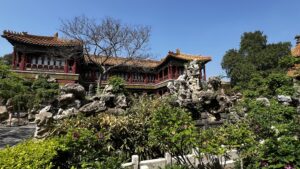
China suits travellers drawn to imperial history, regional cities and monumental landscapes. It is the destination in this collection that benefits most from preparation, particularly around payments, connectivity, local apps and advance bookings.
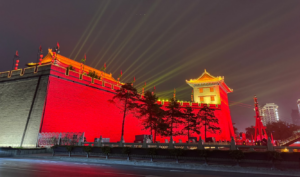
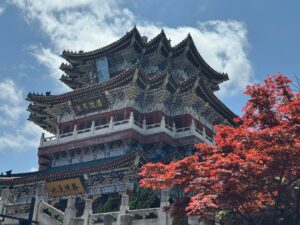
A first journey might connect Beijing, Xi’an, Zhangjiajie and Shanghai. Together, they show four very different sides of the country: imperial China, Silk Road history, dramatic mountain scenery and contemporary urban life.
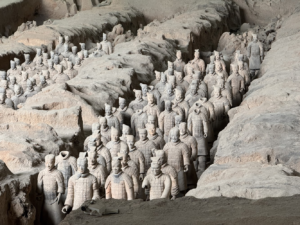
Distances are substantial, even with high-speed trains. Beijing needs several days, Xi’an deserves more than a stop for the Terracotta Army, and Zhangjiajie should have some flexibility for changing weather. China rewards travellers who accept that one visit can only reveal a fraction of the country.
Japan
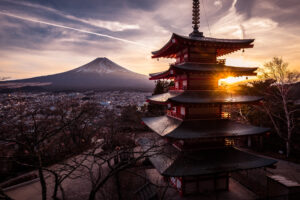
Japan is one of the easiest Asian countries to navigate independently. Public transport is reliable, cities are safe and daily travel is highly organised. The challenge is deciding what to leave out.
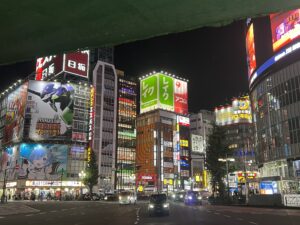
Tokyo can fill a week on its own. Kyoto, Osaka, Hiroshima, Kanazawa and the mountain regions all compete for space in a first itinerary, and the speed of the railway network makes an overloaded route appear more manageable than it feels in practice.
Japan works best with a small number of well-chosen bases. Spending longer in Tokyo or Kyoto leaves time for neighbourhoods, markets and ordinary daily life, which often become more memorable than another rushed attraction.
South Korea
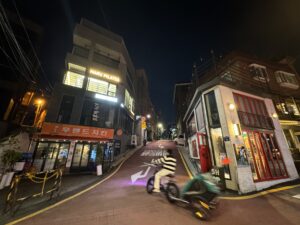
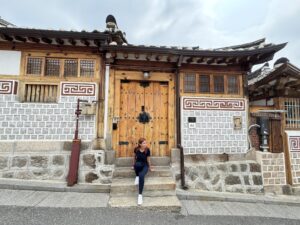
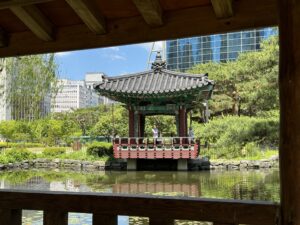
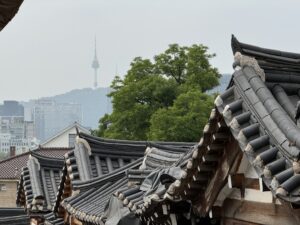
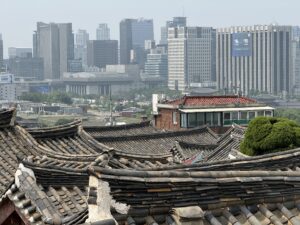
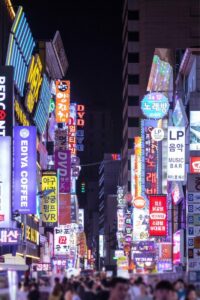
South Korea combines contemporary cities, historic neighbourhoods, mountains, nightlife and a deeply social food culture.
Seoul can occupy most of a week, while Busan, Gyeongju, Jeonju and Jeju give longer journeys greater variety. The country is compact compared with China and easy to cross by train, so adding a second base is realistic even on a shorter trip.
The main adjustment is digital. Korean navigation apps are usually more useful than Google Maps, while a local transport card and mobile data make travelling considerably easier.
Thailand
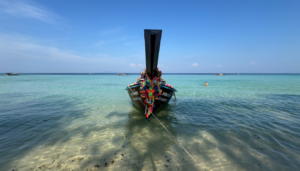
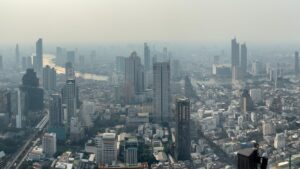
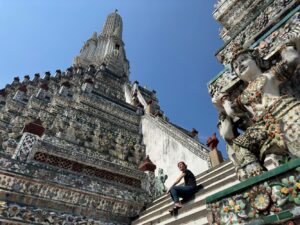
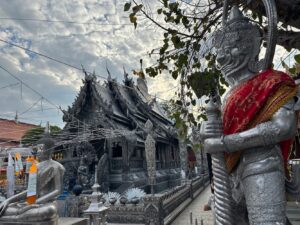
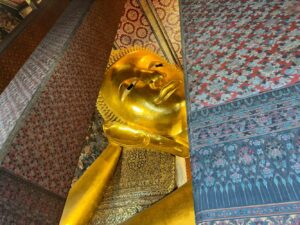
Thailand can provide several completely different trips. Bangkok and the central plains offer food, history and urban life. Chiang Mai and Chiang Rai bring mountains, temples and a slower rhythm. The south is a choice between resort areas, quiet islands, diving destinations and limestone coastlines.
Trying to include all three versions in one week creates too many transfers. Seven days works for Bangkok and one additional region. Ten to fourteen days gives enough time to combine the capital, the north and a coastal destination.
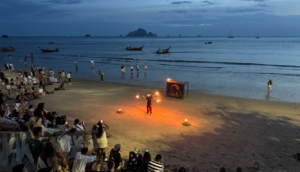
Island choice should depend on season and travel style. Phuket has the widest range of accommodation and transport, Krabi offers dramatic scenery, and islands such as Koh Lanta suit travellers looking for a quieter base. Famous names are not automatically the best match for every trip.
Vietnam
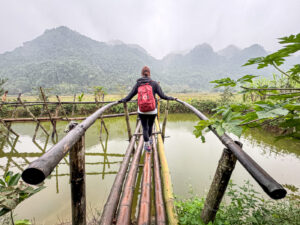
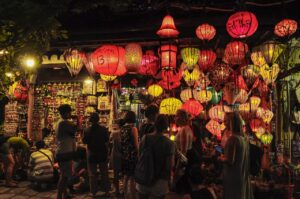
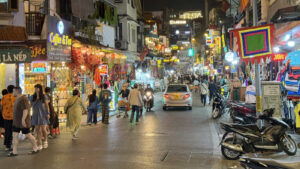
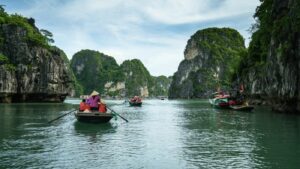
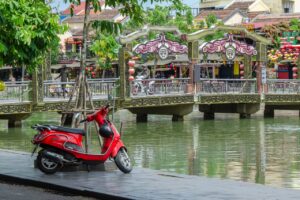
Vietnam is easiest to understand as three regions. The north brings Hanoi, Ha Long Bay and mountain landscapes. The central region includes Hoi An, Da Nang and Hue. The south is shaped by Ho Chi Minh City and the Mekong Delta.
Each region has its own climate, pace and food. The country also extends for more than 1,000 kilometres, so a north-to-south journey normally requires internal flights or overnight transport.
Five days is enough for one region. Ten days can connect selected highlights, while two to three weeks allows the country to unfold at a more natural pace.
Jordan
Jordan suits travellers interested in archaeology, desert landscapes, walking and traditional food. A classic route connects Amman, Petra, Wadi Rum and the Dead Sea.
The distances are manageable, although public transport is less comprehensive than in East Asia. A rental car, private transfer or organised route makes the journey easier.
Petra needs at least one complete day. The archaeological site is much larger and more physically demanding than photographs suggest, especially if you want to reach the Monastery or explore trails beyond the Treasury.
Planning your trip to Asia
Choosing the country should come before choosing individual attractions. Entry requirements, payment methods, transport systems and familiar apps can change completely when crossing a border.
| Destination | Prepare before arrival | Common planning mistake |
|---|---|---|
| China | Payments, connectivity, maps and advance tickets | Underestimating long travel days |
| Japan | Accommodation areas and intercity transport | Adding too many cities |
| South Korea | Navigation apps, mobile data and transport card | Relying exclusively on Google Maps |
| Thailand | Regional weather, internal flights and ferries | Combining the north and islands in one week |
| Vietnam | Route direction, weather zones and transport | Treating the country as one climate |
| Jordan | Transport, Petra tickets and desert stays | Allowing too little time for Petra |
Entry requirements depend on nationality and change regularly. Passport validity, visa conditions, exemptions and digital arrival forms should always be confirmed through official government or embassy websites.
China benefits from the most advance work. Setting up essential apps and understanding mobile payments before departure removes much of the initial friction. The practical details involved in planning a trip to China are just as important as choosing the cities.
In Japan, accommodation location has a direct effect on how much time you spend on trains. This is especially true in Tokyo, where choosing a base and grouping neighbourhoods makes the city feel much more manageable.
South Korea also requires some digital preparation. Navigation, transport cards, mobile connectivity and local etiquette are among the details worth understanding before visiting.
Thailand is relatively easy to organise once the route matches the season. A few practical considerations around transport, culture and daily travel can prevent the most common problems.
Vietnam allows more flexibility, although its length should be taken seriously. The wider Vietnam planning advice explains how the regions, transport options and main destinations fit together.
In Jordan, the route often depends on how you plan to travel between Amman, Petra and Wadi Rum. Understanding Petra’s tickets, distances, weather and walking routes is particularly important because the site can occupy a full day.
Best itinerary for Asia
The best Asia itinerary limits the number of travel days and gives each destination enough time to develop its own rhythm.
| Time available | Most realistic approach |
|---|---|
| 5 days | One city or a compact region |
| 7 days | One city and one nearby destination |
| 10 days | Two or three bases in one country |
| 14 days | A broader single-country route |
| 21 days | A slower national route or two connected countries |
Two weeks in China is enough to connect Beijing, Xi’an, Zhangjiajie and Shanghai without removing all flexibility from the journey. This first-time China itinerary balances cities, history and landscapes while accounting for the distances between them.
In Japan, ten days can cover Tokyo, Kyoto and Osaka or follow a quieter route through central Japan. The best 10-day Japan itinerary depends on whether you value famous cities, fewer hotel changes or less-visited destinations.
Thailand needs at least ten days if you want to combine Bangkok, the north and the coast. The differences between seven, ten and fourteen days in Thailand become most obvious when travel time is added honestly.
Vietnam can fit into ten days with a selective route and internal flights. A 10-day Vietnam itinerary provides an introduction to several regions, while three weeks across Vietnam and Cambodia creates a slower and more coherent multi-country journey.
When to visit Asia
There is no single best time to visit Asia. China, Japan and South Korea have four distinct seasons. Thailand and Vietnam contain several climate zones. Jordan’s heat and cold affect how comfortable long outdoor days will feel.
| Destination | Generally favourable period | Main consideration |
|---|---|---|
| China | March to May and September to November | Major national holidays create intense crowds |
| Japan | March to May and October to November | Blossom and foliage seasons require early booking |
| South Korea | April to June and September to October | Summers are humid and winters are cold |
| Northern Thailand | November to February | Smoke can affect March and April |
| Thailand’s Andaman coast | November to April | Rougher seas are common from May to October |
| Northern Vietnam | October to April | Mountain areas can be cold in winter |
| Central Vietnam | February to May | Autumn can bring storms and flooding |
| Southern Vietnam | December to April | The south remains hot throughout the year |
| Jordan | March to May and September to November | Desert and Petra nights can be cold |
Vietnam needs the closest regional planning. Hanoi, central Vietnam and Ho Chi Minh City can experience very different conditions during the same month. The regional weather patterns across Vietnam matter more than a single national forecast.
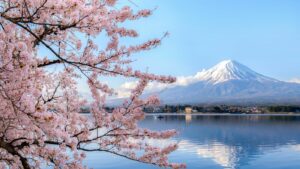
In Japan, cherry blossoms move from south to north and the dates change each year. The usual cherry blossom periods and locations can help shape the route, although accommodation should be booked early.
Thailand’s Andaman and Gulf coasts follow different weather patterns. A route that works in January may be less suitable in August, so the coast should be chosen after the dates are fixed.
How many days do you need in Asia?
Ten to fourteen days is the most useful length for a first trip to one Asian country. Five to seven days works for one city or a compact region. Three weeks allows for a slower national route or two connected countries.
| Destination | Recommended first-trip length |
|---|---|
| China | 14 days |
| Japan | 10 to 14 days |
| South Korea | 7 to 10 days |
| Thailand | 10 to 14 days |
| Vietnam | 10 to 21 days |
| Jordan | 7 to 10 days |
China needs more time because of its scale. Japan and South Korea are easier to connect, although frequent hotel changes still consume usable time. Thailand depends on flights and ferries, while Vietnam can fill anything from a regional five-day trip to a three-week north-to-south journey.
The number of stops matters more than the number of countries. Removing one destination often improves an itinerary more than adding another day.
Budget for travelling in Asia
Vietnam generally offers the best value for accommodation and food. Thailand remains affordable on the mainland, but islands and excursions increase the cost. China offers inexpensive local meals and urban transport, with long-distance journeys and entrance tickets creating the larger expenses. Japan, South Korea and Jordan usually require more for accommodation or transport.
| Destination | Relative cost | Main budget pressure |
|---|---|---|
| Vietnam | € | Internal flights and organised tours |
| Thailand | € to €€ | Islands, ferries and excursions |
| China | €€ | Trains, domestic flights and entrance fees |
| South Korea | €€ | Seoul accommodation and intercity travel |
| Japan | €€ to €€€ | Accommodation and long-distance trains |
| Jordan | €€ to €€€ | Private transport, tours and attraction tickets |
For China, a realistic daily range is approximately €40 to €70 for budget travel, €80 to €140 at mid-range and €140 to €220 for a more comfortable trip. Shanghai is noticeably more expensive than Xi’an or Zhangjiajie.
Across the region, route design usually affects the budget more than food. Fewer domestic flights, ferry journeys and one-night stops can reduce costs while creating a more enjoyable trip.
Food in Asia
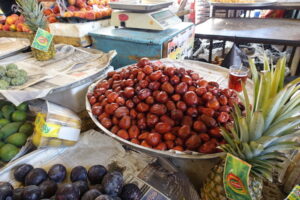
Food is one of the clearest ways to understand the differences between Asian countries. Our selection of the best food destinations in Asia compares nine countries through the dishes, markets and eating cultures that define them.
Japanese food is shaped by seasonality, regional ingredients and restaurants that often specialise in a single dish. Sushi, ramen, soba, tempura and izakaya food are only the beginning of what to eat in Japan.
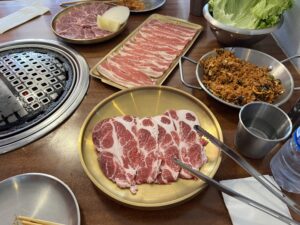
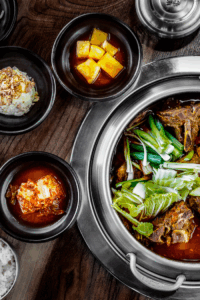
Korean food is more communal. Barbecue, shared stews and banchan make eating together part of the experience. Bibimbap, kimchi, tteokbokki and regional specialities are among the South Korean foods worth seeking out.
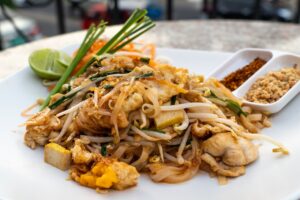
Thai cooking changes between the north, centre, Isaan and south. Khao soi, som tam, curries and seafood belong to different regional traditions, which makes travelling through Thailand for food more interesting than repeating the same familiar dishes.
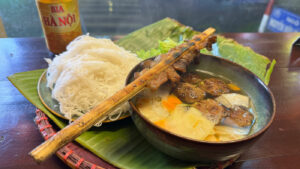
Vietnamese food also changes as you travel south. Northern cooking often uses lighter seasoning and clear broths, central dishes tend to be more intense, and southern food makes greater use of herbs and sweetness. The country’s essential Vietnamese dishes provide a starting point for understanding those differences.
Jordanian food is built around hospitality and sharing. Mansaf, mezze, falafel, grilled meat and knafeh are central to eating in Jordan, with meals often carrying as much cultural meaning as the places visited.