

Hanoi is a city where food tells the story of everyday life. Everyone knows about Pho, but there’s so much more to eat here — dishes that change with the seasons, recipes passed down through families, and flavors you’ll remember long after leaving.
We came to Hanoi expecting great food, and we found a city that eats from morning until night. Street stalls, small family restaurants, and cafés fill every corner. Each bowl, skewer, and cup of coffee carries a piece of the city’s history.
In this guide, we’ll share the dishes that stood out to us, the places worth finding, and the small details that make Hanoi’s food scene unique. You’ll find local specialties, vegetarian options, desserts, coffee, and a few ideas for cooking classes and food tours if you want to learn more.
The Best Food to Eat in Hanoi
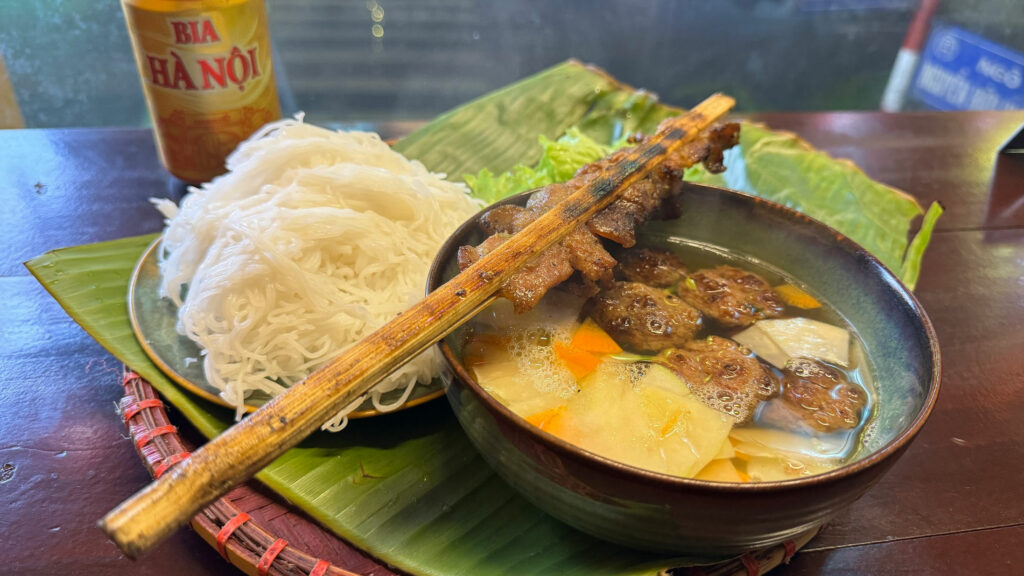
Eating in Hanoi is an experience that stays with you. It’s noisy, fragrant, and alive — part of daily life, not something set aside for special occasions. Meals happen on sidewalks, in tiny family kitchens, or in restaurants that haven’t changed in decades. Every dish has a purpose and a story, and you taste it in every bite.
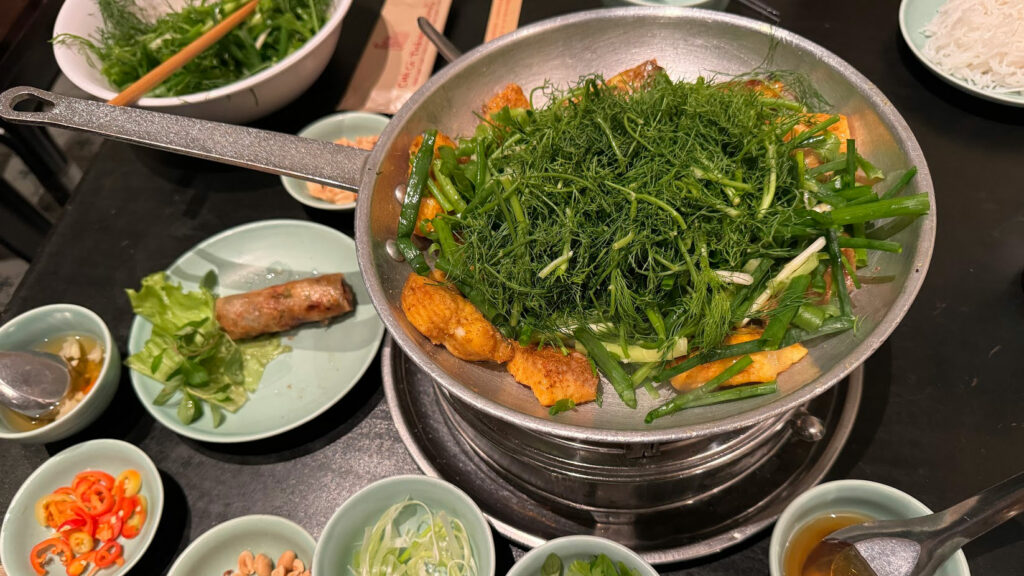
One of our favorite meals in Hanoi was Cha Ca La Vong, grilled fish with dill and turmeric. We tried it at Cha Ca Thang Long, where the fish arrives sizzling in a small pan and you finish it at the table with herbs, peanuts, and rice noodles. The smell of turmeric and green onions fills the room before the first bite. It’s one of those dishes you remember for a long time.
If you love noodle soups, you’ll find endless versions to try. Bun Bo Hue, a spicy beef noodle soup from central Vietnam, has become a Hanoi staple. It’s slightly fiery, rich in lemongrass, and full of flavor — perfect for breakfast on a cool morning. Another must-try is Cao Lau, a dish originally from Hoi An that made its way north. The chewy noodles, slices of pork, and fresh herbs make it light but deeply satisfying.
Of course, Hanoi’s signature dish Pho is everywhere — simple, elegant, and different at every stall. Some places serve it with thin slices of beef, others with chicken, and everyone has an opinion on where to find the best bowl. We loved discovering our own favorite spot, tucked between shops that only locals seem to know about.
For a quick and filling meal, try Bun Cha, grilled pork served with rice noodles, fresh herbs, and a tangy dipping sauce. The smell of charcoal is what draws you in — smoky, sweet, and unmistakable. Banh Mi, the famous Vietnamese sandwich, makes the perfect snack between meals. It’s crisp on the outside, soft inside, and packed with meat, pickled vegetables, and chili sauce.
Hanoi also caters well to vegetarians. Bun Chay, a clear noodle soup with tofu and vegetables, is simple and comforting, while Goi Cuon Chay — fresh vegetarian spring rolls — are light and refreshing, best eaten with peanut sauce. Xoi Chay, sticky rice cooked until crisp, is another great vegetarian option often sold from small morning stalls.
If you have room for dessert, start with Che, a sweet treat that comes in countless forms. We liked Che Ba Mau, known as the “three-color dessert,” made with beans, jelly, and coconut milk. Che Chuoi, with banana, sago pearls, and coconut cream, is warm, creamy, and filling — especially on a rainy day. You’ll also find Kem Xoi, sticky rice with ice cream, and Banh Ran, small sesame doughnuts filled with mung bean paste, sold from baskets on the street.
Coffee is its own culture in Hanoi. Try Ca Phe Trung, the city’s signature egg coffee, made with strong espresso and a thick, sweet foam of whipped egg yolk and condensed milk. It’s closer to dessert than a drink and best enjoyed slowly. On hot days, Ca Phe Sua Da, iced coffee with condensed milk, is refreshing and strong enough to power you through the afternoon.
When you need something non-caffeinated, go for Tra Sen, delicate lotus tea, or Nuoc Mia, sugarcane juice pressed fresh over ice from roadside carts. And no trip to Hanoi is complete without a glass of Bia Hoi, the city’s famously light, freshly brewed beer served in small glasses on street corners. It’s cheap, cheerful, and best shared with locals after sunset.
Eating in Hanoi for us meant joining the rhythm of the city: sitting where the locals sit, watching the world move around you, and realizing that food here isn’t just about taste. It’s about connection, history, and the stories told one bowl, one skewer, and one cup of coffee at a time.
Where to Eat in Hanoi
Hanoi is full of food, and the best meals often come from places that look the simplest. The Old Quarter is the heart of it all — a maze of narrow streets where each corner smells different. You’ll find everything here, from small Pho stalls that open before sunrise to tiny family restaurants that serve only one dish. Eating while sitting on a low plastic stool with the sound of scooters in the background is as Hanoi as it gets.
For something quieter, head to Truc Bach or Ba Dinh, where locals eat without the crowds. These areas are full of small seafood restaurants, traditional noodle shops, and cozy cafés. Dong Xuan Market is another must for food lovers. Early in the morning, vendors cook, chop, and serve right on the spot — it’s chaotic but full of energy.
If you prefer to linger over your meal, Tay Ho (West Lake) has plenty of relaxed spots where locals gather at sunset. From lakeside cafés to small bistros, it’s an easy place to slow down and see another side of Hanoi’s food scene.
Hanoi’s Café and Nightlife Culture
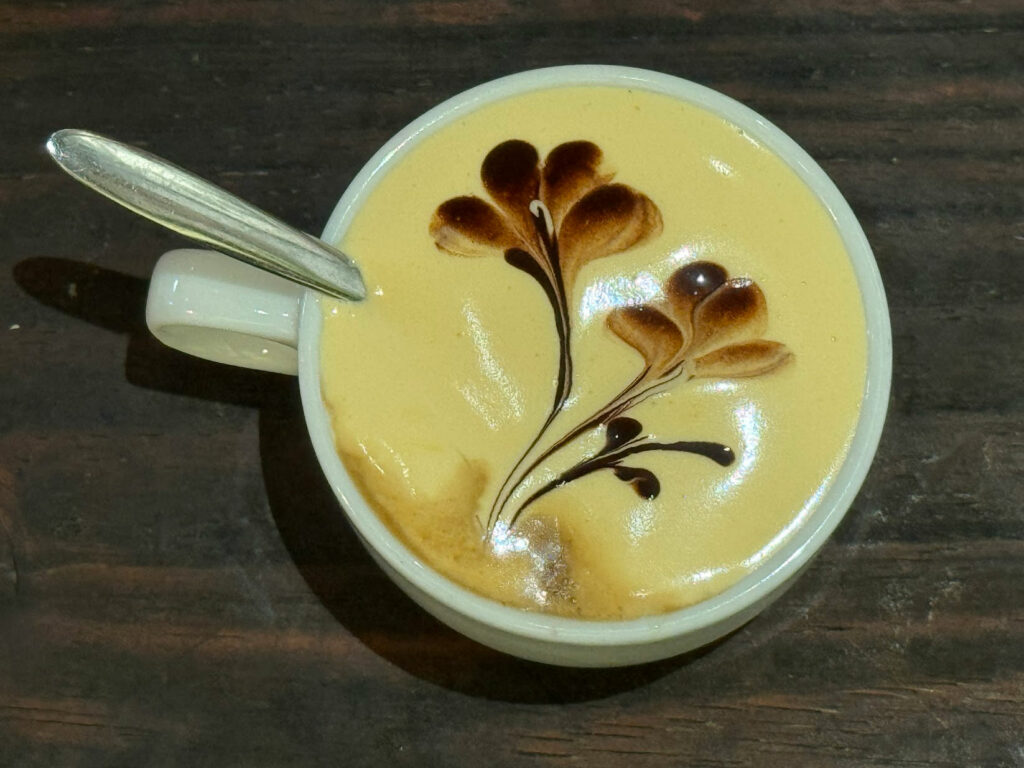
Coffee in Hanoi isn’t just a drink but a way of life. The city wakes up to the sound of spoons clinking in small cups and doesn’t stop pouring until late at night. Some cafés have been running for decades, hidden behind narrow doors or upstairs balconies. Try Cafe Dinh or Giang Café for Ca Phe Trung, the original egg coffee that made Hanoi famous. It’s thick, sweet, and best enjoyed slowly.
At night, the city shifts again. Locals gather for Bia Hoi, the fresh draft beer served on street corners. It’s light, cheap, and comes with conversation — you’ll likely end up chatting with the table next to you. Areas like Ta Hien Street in the Old Quarter and the small bars around West Lake are lively but friendly, filled with laughter and music.
You don’t need fancy places to enjoy Hanoi’s nights. A plastic chair, good company, and something cold to drink are usually enough.
Practical Tips for Food Travelers
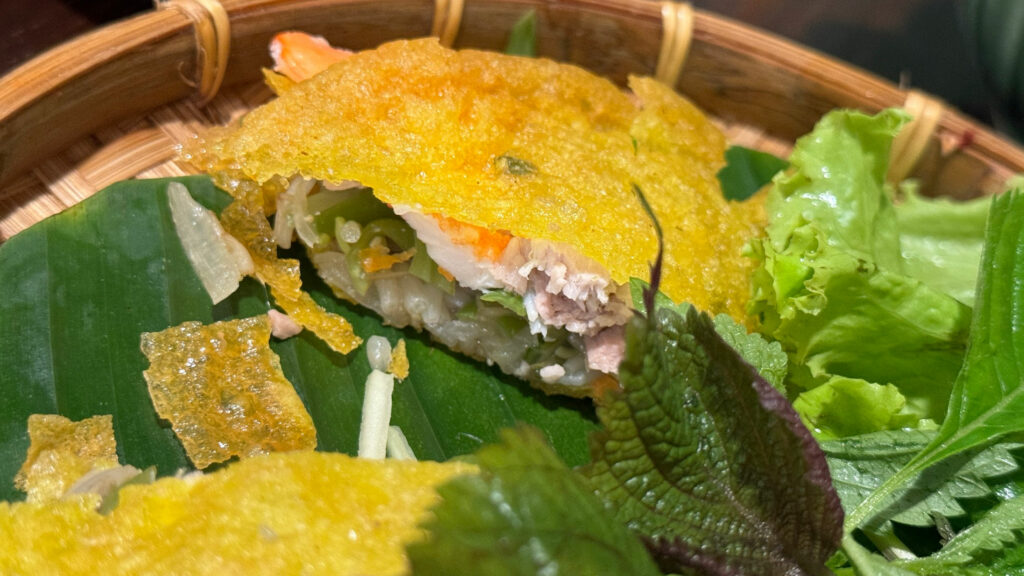
Eating in Hanoi is easy, but a few habits make it better. Go where locals eat — if a stall is busy, it’s usually clean and safe. Dishes are cooked fast and fresh, so trust your senses: look for steam, smell the broth, and watch the ingredients being used.
Meal times are different from what you might expect. Breakfast starts early, often around 6 a.m., and lunch runs from 11 a.m. to 1 p.m. Some of the best places close as soon as the food runs out, so don’t wait too long.
Carry small bills for street food; most vendors can’t change large notes. And if you’re unsure how to order, just smile, point, or ask another customer for help: people in Hanoi are used to visitors and often happy to show you the ropes.
Lastly, be curious. Try things you don’t recognize, share tables with strangers, and let yourself be surprised. The best meals in Hanoi often start with a bit of curiosity and no plan at all.
Tip: Enjoy the street food in Hanoi, but be cautious about food preparation. One of us experienced severe food poisoning, likely due to improperly washed and cooked vegetables. This can happen when traveling, so always factor in the risk of illness. While the local “remedy” we were offered was opium (which seems to be a common folk cure in Vietnam!), we relied on fasting and ginger tea. We highly recommend bringing reliable, over-the-counter medications from home to be prepared.
our Final Thoughts on Eating in Hanoi
Hanoi’s food is more than what ends up on your plate. It’s the sound of a wok hitting metal, the smell of herbs in the air, the steam from a bowl of noodles handed to you by someone smiling behind a cart. Eating here means joining the rhythm of the city — fast, loud, and full of life.
Every meal, from a 50-cent snack to a family dinner, tells you something about how people live, share, and welcome strangers. We left Hanoi with full stomachs and the quiet feeling that food here isn’t just made to feed you — it’s made to connect you.
If you let the city lead, sit where locals sit, and taste what they love most, you’ll understand why Hanoi stays with you long after you’ve gone.