

Planning a trip to Tokyo can feel overwhelming at first. The city is huge, layered, and full of contrasts: traditional shrines stand beside futuristic skyscrapers, and quiet gardens hide just minutes from neon-lit streets. Tokyo is home to about 15 million people and isn’t a single city in the usual sense, but a prefecture made up of 23 distinct wards, each with its own character.
We’ve spent years exploring Tokyo and still find new places every time we return. This guide collects what we’ve learned: how to plan your visit, when to go, where to stay, and how to move around efficiently. Check out the top things to do in Tokyo in 2026 to experience the real Tokyo beyond the obvious attractions and tourist routines.
What is the best month to visit Tokyo?
Most travelers plan their Tokyo trip between March and April, hoping to catch the cherry blossoms. It’s a spectacular time, but Tokyo is beautiful year-round. Every season changes how the city feels.
In spring, parks and riverbanks turn pink, and the air carries a festive energy. In autumn, the trees burn with red and gold leaves: our favorite time for photography and long walks in gardens like Rikugien or Shinjuku Gyoen. Summer can be hot and humid, but the energy of matsuri (local festivals) and fireworks makes it worth experiencing once. Winter, clear and crisp, gives you Mount Fuji views on the horizon and quieter streets.
December and January bring the charm of New Year traditions. If you’re there on the second Monday of January, you might witness the Coming of Age Day celebrations, with young women in elegant furisode kimonos walking to local shrines with friends and families. Although the age of adulthood officially dropped from 20 to 18 in 2022, most participants are still 20. Schools and exams keep 18-year-olds too busy, so the tradition continues much as before. It’s one of the most beautiful days of the year to photograph Tokyo’s blend of old and new.
How many days do you need to visit Tokyo?
It depends on what you want. Most visitors spend four to five days in Tokyo before heading to Kyoto or Osaka. That’s enough to see major attractions, but not to feel the city.
We always recommend, and personally prefer, a longer stay, ideally 10 days to two weeks. Tokyo changes from hour to hour and ward to ward. Spending more time lets you slip into the rhythm of local life: stopping for coffee at a tiny kissaten, discovering a bookstore in Shimokitazawa, watching sumo practice in Ryogoku, or just walking aimlessly through quiet residential alleys.
If you treat Tokyo as more than a stopover, it rewards you endlessly.
What are the best flight options to and from Japan?
Tokyo has two main airports: Narita and Haneda.
Haneda is closer to the city and more convenient for most travelers, while Narita handles many long-haul international flights. Before booking, check which one your airline uses—it can save you time and taxi fare.
From Narita Airport:
- Keisei Skyliner – the fastest way to Ueno (about 40 minutes).
- Narita Express (N’EX) – connects directly to major hubs like Tokyo, Shinjuku, and Shibuya.
- Airport Limousine Bus – convenient for direct hotel transfers, especially late at night.
We once used a transfer organized by the Tokyo Convention & Visitors Bureau after a red-eye flight—it made arriving stress-free and was worth every yen.
From Haneda Airport:
- Tokyo Monorail – links Haneda to Hamamatsuchō Station in 20–25 minutes.
- Keikyu Line – a great alternative to reach Shinagawa and other key areas.
- Airport Limousine Bus – ideal for hotels without direct train access.
Both airports are efficient and foreigner-friendly, with clear signage in English and helpful staff.
For detailed schedules, fares, and additional information, visit the official websites of Narita Airport and Haneda Airport.
How much does it cost to go to Tokyo?
Tokyo can be as affordable or as expensive as you make it. Flights are usually the biggest cost. Accommodation comes next, but booking early helps a lot.
You can eat fantastically well on a budget: a steaming bowl of ramen for ¥800, a sushi lunch set for under ¥1500, or convenience-store snacks that rival restaurant quality elsewhere. Transportation, with the Pasmo or Suica card, is also efficient and fairly priced: you pay based on your journey so if you only ride the underground for one stop, you only pay for one stop. Isn’t that amazing?
If you love shopping, Tokyo’s sales periods (January and July) are worth timing your trip for. Many stores offer tax-free prices for foreign visitors. just show your passport at the register. The receipt will be stapled into your passport, and you’ll hand it in at the airport on departure. This is particularly helpful for buying electronics, beauty products, and fashion items.
Word of advice: the tax refund is not always good or really beneficial so pick your battle, also considering that you’ll have to spend some time at the airport trying to get the refund and it always in cash, so it will be hard for you to spend when you are leaving the country.
Do I need a Visa to go to Tokyo?
In many cases a Visa is not needed to go to Tokyo, but it depends on your nationality, passport type, and where you’re coming from.
Visa Exemption for Short-Term Visits
For citizens of about 71 countries, Japan allows visa-free entry for up to 90 days for tourism, business, or short-term visits. Your passport must be valid, and you may need to show a return or onward ticket.
New eVisa Option (from Sept 2025)
Starting September 1, 2025, Japan has introduced an eVISA (electronic visa) system for certain countries. This makes applying easier (online), especially for those who aren’t already visa-exempt. Ministry of Foreign Affairs of Japan
- The eVISA is for single-entry short-term stays, up to 90 days in many cases.
- Some nationalities (e.g. China) have special terms, e.g. eVisa for 15 or 30 days depending on the situation.
Things to Watch Out For
- Having a visa-exempt passport doesn’t mean you can stay indefinitely: you must leave before the 90 days are up.
- You cannot work under a visa-free or short-term visitor stay.
- You can’t change your visa status (for example, from tourist to work) after you arrive.
- In rare cases, entry might be refused upon arrival if you can’t prove your itinerary, finances, or return plans.
- Some exemptions apply only if your passport meets certain standards (machine-readable, biometric, etc.).
What to wear in Tokyo?
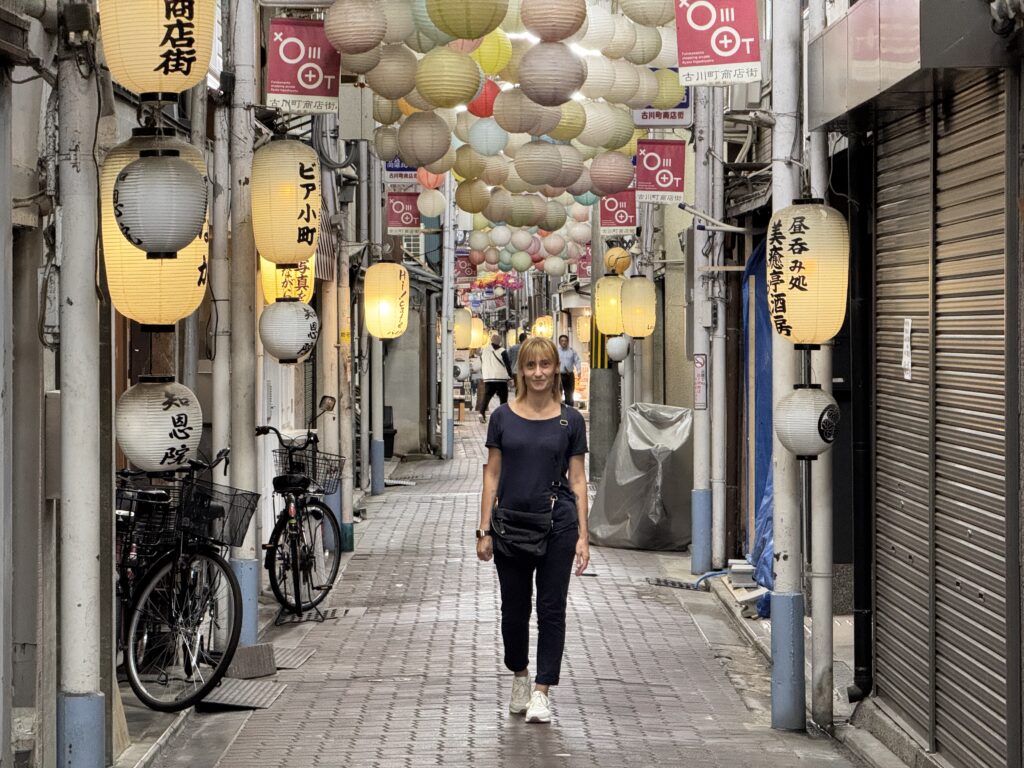
Tokyo’s style changes with the seasons, but one rule stays constant: you’ll walk a lot. Bring comfortable shoes and avoid overpacking as most hotels have coin laundries.
- Spring: Light jackets and layers for cool mornings and warm afternoons.
- Summer: Breathable fabrics; Tokyo can get humid.
- Autumn: A mix of long sleeves and light sweaters, our favorite weather.
- Winter: A good coat, especially if you’re out in the evenings.
Tokyoites dress neatly but not formally. Even casual clothes look put-together, and you’ll rarely see sportswear outside gyms. Leave space in your suitcase: you’ll want to shop once you see the local fashion.
Can I Travel to Japan if I Don’t Speak Japanese?
Yes, you can travel to Japan even if you don’t speak Japanese. Communication in Tokyo has become much easier than it used to be. Many restaurants, stations, and hotels have English menus or multilingual staff. Still, learning a few phrases shows respect and makes a big difference.
Try using:
- Ohayou gozaimasu – Good Morning
- Konnichiwa – Good Afternoon
- Konbanwa – Good Evening
- Jaa mata – See you soon!
- Arigatou gozaimasu – Thank you
- Sumimasen – Sorry
- Gomen nasai – I owe you an apology
- Onegai shimasu – Please
- Hai – Yes
- Iie – No
- O-kanjo onegaishimasu – The bill, please
A translation app like Google Translate works perfectly. You can scan Japanese menus or signs, and many locals will happily use their own app to communicate with you. We are happy because we speak the language but we’ve seen tourists having entire conversations that way with lots of laughter in between.
What is the Best Option for Internet in Tokyo?
Staying connected is easy. The best option for most travelers is an eSIM, which you can purchase and activate online before your trip. It gives you instant access to data once you land: no need to swap SIM cards or queue at the airport.
If your phone doesn’t support eSIMs, pocket Wi-Fi routers are available for rent at airports and convenience stores. Either way, having mobile internet is essential for maps, translation apps, and last-minute train changes.
What is the Best Way to Get Around Tokyo?
Tokyo’s public transport system is legendary for its punctuality and efficiency. To travel smoothly, buy a Suica or Pasmo card, rechargeable travel cards that work on subways, trains, and buses.
There’s little difference between the two, though Suica refunds are easier to claim nationwide, while Pasmo refunds are limited to Tokyo Prefecture. You can purchase and top them up at any station, and they even work at vending machines and convenience stores.
If you’re visiting multiple cities, a Japan Rail Pass might make sense, but for Tokyo alone, Suica or Pasmo is perfect. Don’t forget: you can return the card at the end of your trip for a refund of the deposit and remaining balance.
Top tip: we use Suica and Pasmo directly on our mobile phones by allowing them from the iPhone Wallet: it’s easy, convenient and you don’t have to carry any card with you. You can’t get a refund but if you have money left you can carry them over… for you next trip!
How to Choose the Best Hotel in Tokyo?

Accommodation in Tokyo ranges from tiny business hotels to luxury skyscraper suites and traditional ryokans. Rooms tend to be smaller than Western standards, but they’re usually spotless and efficient.
Our key tips:
- Stay near a metro station: it saves time and energy.
- Book early if you’re visiting in spring or autumn.
- Consider location over luxury: a modest room in a great area is worth more than a fancy hotel far away.
Recommended options:
- Sotetsu Fresa Inn chain – small but smart hotels near metro stops.
- Hotel Monterey Akasaka – quiet, central, and comfortable; we stayed here thanks to the Tokyo Convention & Visitors Bureau and loved the service.
- Asakusa View Hotel Annex Rokku – an amazing choixe if you want to experience traditional Tokyo and you don’t mind traveling far to visit other neighborhoods.
If you want something traditional, book a ryokan—a Japanese-style inn with tatami mats and futons. They’re more expensive but offer an unforgettable cultural experience.
Card or Cash in Tokyo?
Despite being a high-tech city, cash is still king in Tokyo. Many restaurants, taxis, and small shops don’t accept cards. Always carry some yen, especially when visiting local markets or smaller neighborhoods.
ATMs that accept foreign cards are available in 7-Eleven, Lawson, and FamilyMart stores. Before your trip, make sure your bank card is enabled for international withdrawals.
What Plug Type Do You Need in Tokyo?
Japan uses Type A plugs (two flat prongs), the same as in the U.S. If you’re coming from Europe or elsewhere, bring an adapter. Voltage is 100V, which works fine for phones, laptops, and most travel gadgets. For appliances like hair dryers, double-check the label, some might not handle the lower voltage safely.
Top tip: you may be tempted to buy electric devices in Tokyo but think it twice. The voltage is different so you may end up with an appliance that you cannot use in your country or, even worst, that can cause issues to your electrical system.
Why Tokyo Is a Food Lover’s Dream
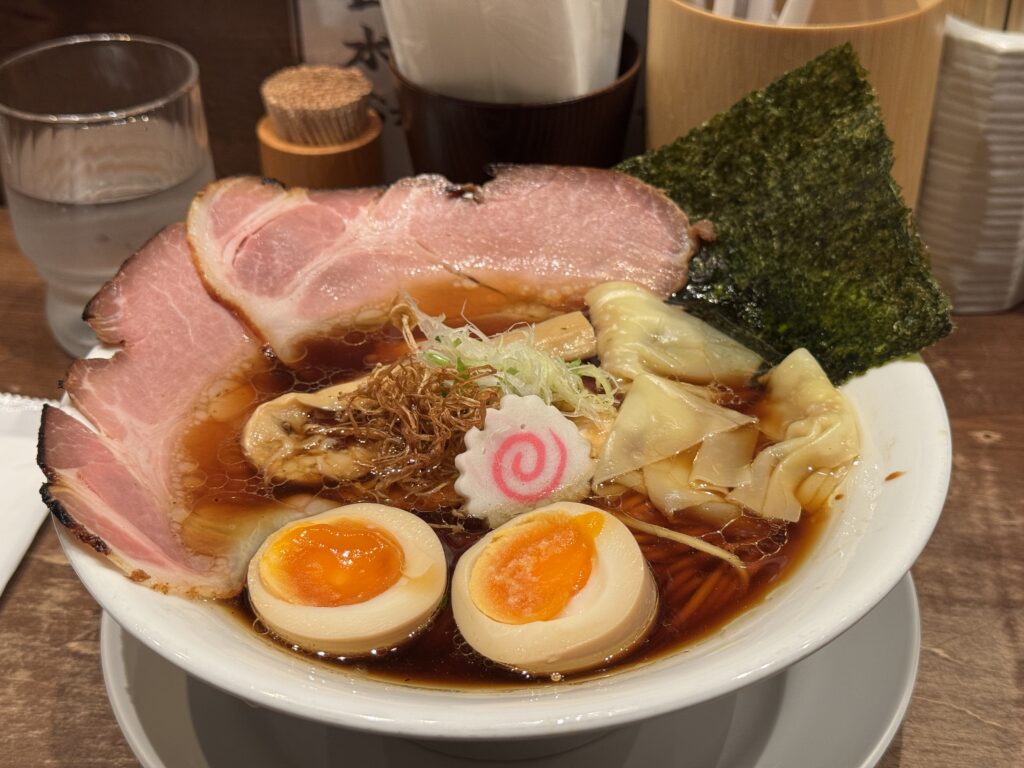
Food is one of Tokyo’s greatest pleasures. You can eat like royalty at Michelin-star restaurants or like a local at a tiny ramen bar—and both experiences will be memorable.
What we love most is the balance: Tokyo food can be elegant, playful, or comforting, but it’s always crafted with care. Even convenience stores sell meals that are shockingly good.
You don’t need to spend a lot to eat well. In fact, our best meals have often been in humble izakayas, standing sushi bars, or noodle shops tucked into train stations.
If food is one of your main reasons for visiting Japan (and it should be!), check out our detailed guide: Eating in Tokyo: A Food Lover’s Guide to the Best Local Dishes.
Everyday Life in Tokyo: What to Expect
Beyond the big attractions, what really shapes your experience in Tokyo are the small, everyday details: the quiet order, the convenience, and the sense of respect that define daily life here. Knowing a bit about how people move, behave, and navigate the city helps you travel more comfortably and connect more naturally with locals. From spotless public toilets to 24-hour convenience stores, from unspoken manners on trains to Tokyo’s impressive accessibility, these details are what make the city both fascinating and effortless to explore.
Public Toilets
One of the things that surprises first-time visitors most is how spotless Tokyo is, even in the smallest details. Public toilets are everywhere: in stations, parks, department stores, and convenience stores, and they’re almost always clean, free, and stocked with toilet paper. Most are equipped with high-tech bidet functions, and many have baby-changing tables and accessible stalls.
Top tip: Don’t miss Tokyo’s famous transparent toilets in Shibuya’s Yoyogi Fukamachi Mini Park and Haruno Ogawa Community Park. Designed by architect Shigeru Ban, these glass-walled toilets turn opaque when locked. You can see outside, but no one can see you: a perfect mix of design, privacy, and playfulness that captures Tokyo’s love of innovation and trust.
Convenience Stores
If Japan had a symbol of everyday efficiency, it would be the konbini—short for convenience store. Tokyo’s three main chains—7-Eleven, Lawson, and FamilyMart—are open 24 hours, and there’s basically one or even more on every corner. They’re much more than mini markets: you can pay bills, print tickets, send parcels, buy event passes, and even heat up a hot meal.
And the food can be extremely good. Perfect rice balls (onigiri), soft-boiled eggs in soy sauce, freshly brewed coffee, and warm fried chicken: crispy, juicy, and only a few hundred yen. Many konbini also sell seasonal products that change monthly: in spring, cherry-blossom flavored sweets; in autumn, roasted chestnut snacks.
Konbini Etiquette Tips
- Where to eat: Most konbini don’t have tables. If there’s no eat-in area, step outside and eat nearby, but don’t walk and eat—it’s considered impolite.
- Trash disposal: Separate your waste (burnable, plastic bottles, cans) using the bins outside or near the counter. Never leave trash behind.
- Microwaves and hot water: Staff will warm up your food or fill your noodle cup on request. Just hand it to them and say “atatame onegai shimasu” (please heat this).
- Card and cash payments: You can pay with yen, credit cards, or even IC cards like Suica and Pasmo, handy if you’re short on cash.
Everyday Manners in Tokyo
Tokyo runs smoothly because everyone quietly follows a shared rhythm. Queues are orderly, people stand to one side on escalators, and trains are almost silent: phones on mute, no loud conversations. Eating or drinking while walking is frowned upon, so finish your snack before you move on.
When paying, hand money or your card into the small tray at the counter instead of directly to the cashier: this small gesture shows respect. A simple arigatou gozaimasu (“thank you very much”) goes a long way, and politeness will open more doors than perfect Japanese ever could.
Safety and Respect
Tokyo is one of the safest cities in the world. You can walk alone late at night without worry, and lost wallets often find their way back to their owners. Still, it’s wise to stay aware: keep your bag zipped on crowded trains and be discreet with valuables.
What matters most is showing respect for the quiet spaces that Tokyoites value: speaking softly on public transport, keeping parks tidy, and remembering that temples and shrines are places of worship, not photo ops. Small acts of awareness make visitors blend naturally into the calm rhythm of the city.
Accessibility in Tokyo
Tokyo is impressively accessible, even in its older districts. Most train and subway stations have elevators, tactile paving for the visually impaired, and clear signage in English. Buses and newer taxis can accommodate wheelchairs, and many attractions—including museums, malls, and major temples—are barrier-free.
If you or someone in your group has mobility needs, check station maps online in advance; the Tokyo Metro and JR East websites provide detailed accessibility information. Like much of Japan, Tokyo handles inclusivity quietly but efficiently, without making it feel like an exception.
Practical Things for your Trip to Tokyo
PlA few small things can make your trip smoother:
- Trash bins are rare. Carry a small bag for your own rubbish and dispose of it later at your hotel or a convenience store.
- Bring tissues or napkins. Public restrooms often don’t have paper towels.
- Smoking rules are strict. Smoking outdoors is limited to designated areas, though it’s often allowed inside bars and restaurants. Look for smoking zones on maps if needed.
Tokyo rewards curiosity and respect. The more you pay attention to the small details—the silence on trains, the politeness in shops, the seasonal touches in food—the more the city opens up to you.