

Vietnam is one of those countries that stays with you long after you’ve left. We spent weeks traveling across it, from the chaos of Hanoi to the quiet beaches of Phu Quoc, and what we found was a country that’s alive in every sense — the food, the people, the rhythm of daily life.
This guide brings together everything we learned on the road. It’s a mix of stories, tips, and practical advice to help you plan your own trip, whether you have five days or a few weeks. You’ll find ideas for where to go, what to eat, and how to move between regions, plus insights from our own experience.
Vietnam isn’t just a place to visit. It’s a country to slow down in, to listen, and to taste. From street food stalls in Hanoi to lantern-lit evenings in Hoi An, from motorbike rides through mountain passes to sunset cruises on Ha Long Bay, it’s a journey that fills every sense.
Top Destinations in Vietnam
Hanoi – The Capital’s Heartbeat
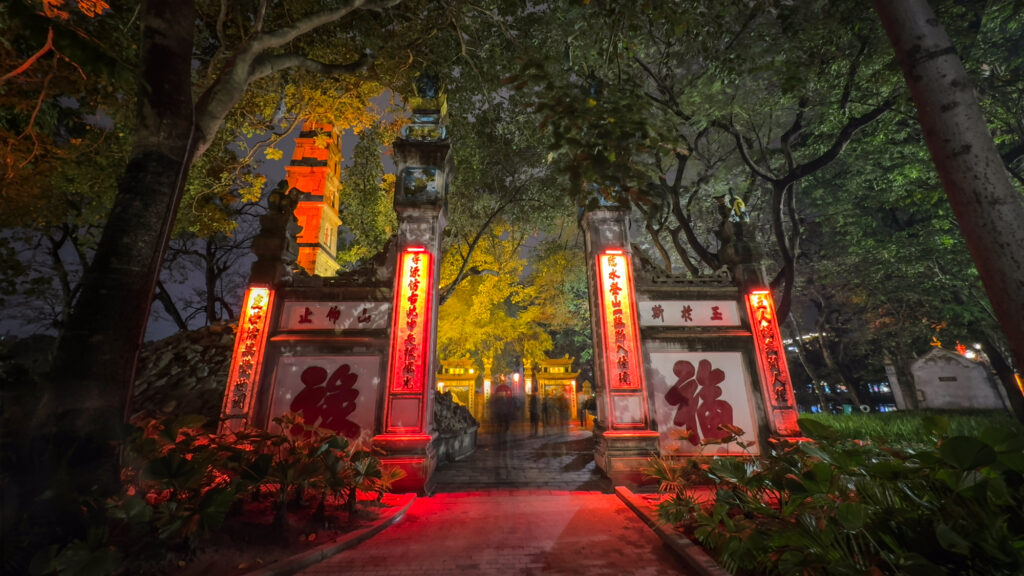
Hanoi is the best place to start. The city mixes history and energy in a way that feels completely its own. The Old Quarter is a maze of narrow streets packed with food stalls, shops, and daily life. Visit Hoan Kiem Lake early in the morning, when locals practice Tai Chi by the water, and stop by the Ho Chi Minh Mausoleum or the Temple of Literature to understand how much history shapes the present.
When you’re ready to eat, Hanoi delivers some of Vietnam’s best dishes — especially Pho and Bun Cha. You can find our Hanoi itinerary, with the best local experiences and food stops from our trip.
Ho Chi Minh City – Fast and Fearless
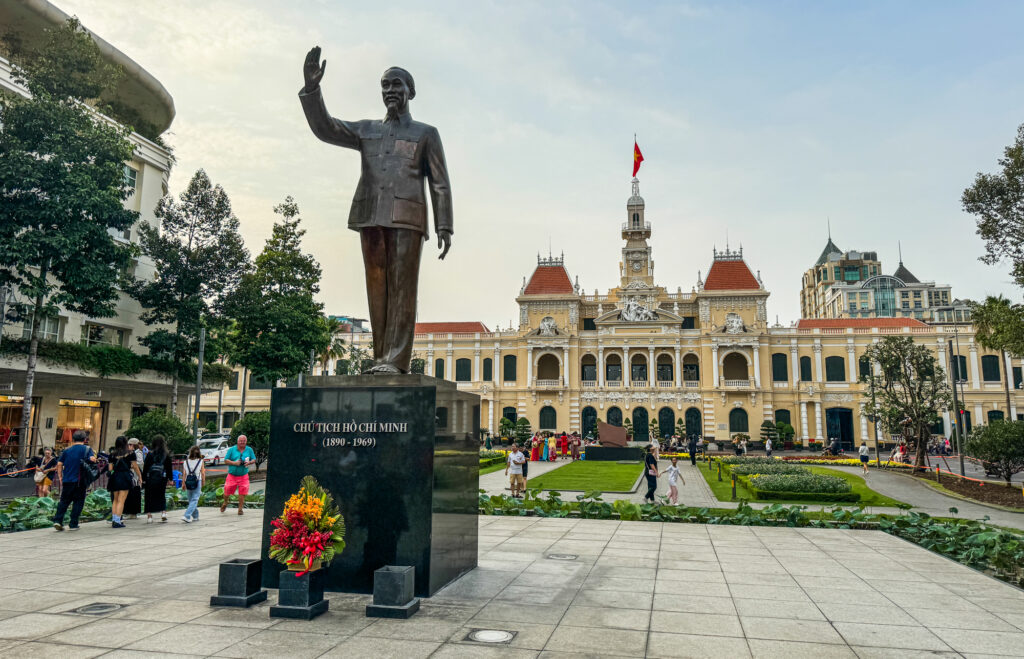
In the south, Ho Chi Minh City (also often called Saigon) feels like another world. The energy is constant. Skyscrapers rise beside French colonial buildings, and every street has a story. Visit the War Remnants Museum for a sobering look at the country’s history, then head to the Notre Dame Cathedral and the Central Post Office to see how old and new coexist.
The Ben Thanh Market is where you’ll taste the city at its best — grilled meats, fresh juices, and endless rows of spices. For a full breakdown of what to see and eat, check our Ho Chi Minh City itinerary.
Hoi An – The Lantern Town

Few places in Vietnam are as instantly charming as Hoi An. Its old town, now a UNESCO World Heritage site, glows with yellow walls and colorful lanterns at night. The mix of Vietnamese, Chinese, and Japanese architecture tells the story of an ancient port city that once welcomed traders from across Asia.
Spend the morning exploring its markets and narrow alleys, then have custom clothes made by one of Hoi An’s many skilled tailors. In the evening, wander by the river with a Cao Lau or Mi Quang noodle bowl in hand. For more, read our Hoi An travel guide.
Ha Long Bay – Limestone and Light
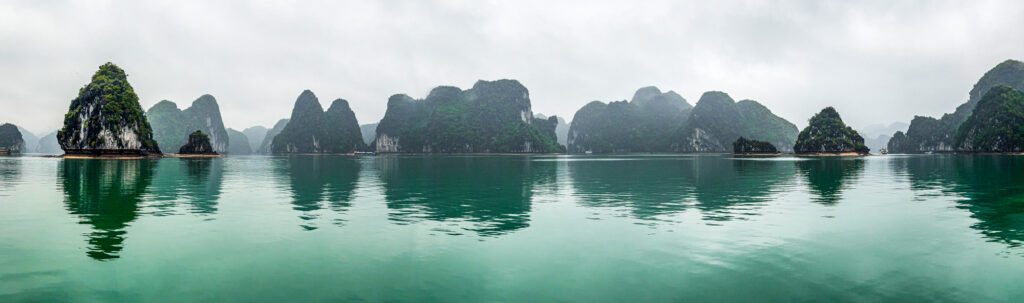
Sailing through Ha Long Bay is one of Vietnam’s most famous experiences, and for good reason. The water is calm and green, dotted with limestone islands covered in forest. Take an overnight cruise to watch the light change over the bay, from sunrise to sunset.
If you want to avoid the crowds, nearby Lan Ha Bay offers the same dramatic scenery with fewer boats and a quieter atmosphere.
Sapa – In the Clouds
High in the northern mountains, Sapa feels far from Vietnam’s cities. Terraced rice fields climb the hills, and the air is cool and quiet. This is the place for trekking and meeting local ethnic communities like the Hmong and Dao.
You can hike to Fansipan, the highest peak in Indochina, or take the cable car for wide views across the valleys. Sapa is about slow travel — misty mornings, small homestays, and long walks through the fields.
Vietnamese Cuisine: A Culinary Adventure
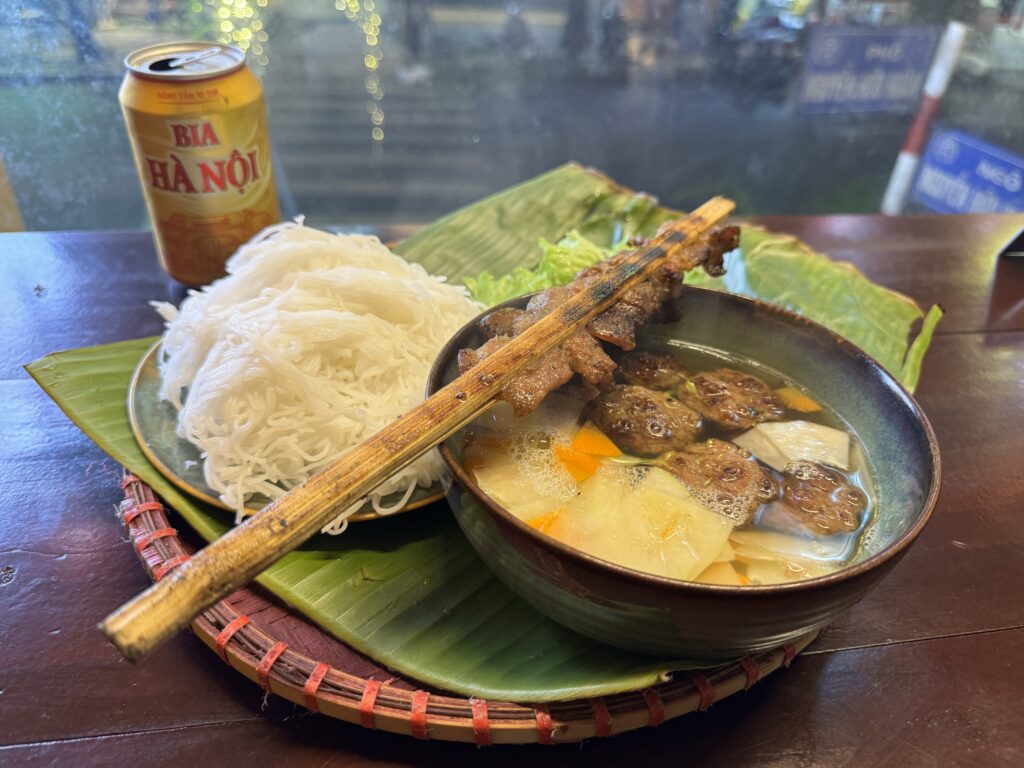
If there’s one thing that connects every part of Vietnam, it’s food. You can eat for a few dollars a day and still eat like royalty. Every meal feels fresh, balanced, and full of flavor, built on herbs, rice, and a mix of salty, sweet, sour, and spicy.
What makes Vietnamese food special is how much it changes from place to place. In the north, the dishes are simple and comforting. Pho is the classic bowl — rice noodles in a clear broth with beef or chicken, eaten any time of day but best at breakfast. Another Hanoi favorite is Bun Cha, grilled pork served with rice noodles, herbs, and dipping sauce. The balance of smoky meat, sweet sauce, and fresh greens sums up what Vietnamese cooking is all about.
In central Vietnam, food feels more colorful and complex. Hue was once the imperial capital, and you can still taste that heritage in dishes like Bun Bo Hue, a spicy beef noodle soup with lemongrass and chili. In Hoi An, try Cao Lau, thick noodles made with local well water, topped with pork, herbs, and crispy rice crackers. Mi Quang, another regional favorite, mixes turmeric noodles with shrimp, pork, and a handful of peanuts for crunch.
The south has the boldest flavors. Ho Chi Minh City runs on street food — from Banh Mi, the perfect French-Vietnamese sandwich, to Com Tam, broken rice with grilled pork and egg. The city’s markets are alive with the smell of grilled seafood, the sweetness of tropical fruit, and the sound of woks hitting flame.
Don’t leave Vietnam without trying Goi Cuon, fresh spring rolls filled with shrimp, noodles, and herbs, or Banh Xeo, crispy rice pancakes folded with pork and bean sprouts. For dessert, go for Che, a layered mix of beans, jelly, and coconut milk served cold or warm. And always, always have Vietnamese coffee — strong, sweet, and served slowly, one drip at a time.
Vietnamese food is never just about taste. It’s about balance, freshness, and sharing. Every dish, no matter how simple, tells the story of a region and the people who make it.
You can explore more in our Vietnam Food Guide, where we share what we ate, where we found it, and how to enjoy it like a local.
Extending Your Journey to Cambodia
If you have more time, it’s easy to continue your trip from Vietnam into Cambodia. The two countries share both a border and centuries of cultural exchange, and visiting both gives you a wider view of Southeast Asia’s history and people.
Travel between the two is simple. Most travelers cross by land through the Moc Bai / Bavet or Tinh Bien / Phnom Den checkpoints. You can take a bus, hire a private car, or fly — with direct connections from Ho Chi Minh City, Da Nang, and Hanoi to Phnom Penh or Siem Reap. Before you go, make sure you have a valid visa and check entry requirements, as they can change.
Once in Cambodia, the atmosphere shifts but the warmth remains. Start in Siem Reap for the Angkor temples, where sunrise over Angkor Wat is a moment you won’t forget. Move on to Phnom Penh to understand the country’s more recent history at the Tuol Sleng Museum and the Killing Fields, and then, if time allows, relax on the beaches of Kep or Sihanoukville.
For the best experience, plan at least a week in Cambodia. It gives you time to slow down, connect the dots between the two countries, and see how their stories intertwine — in their food, in their temples, and in the rhythm of everyday life.
You can read our detailed Vietnam and Cambodia itinerary for routes, timing, and border-crossing tips.
Backpacking in Vietnam: Tips and Trends
Backpacking in Vietnam is one of the best ways to see how the country really lives and breathes. The distances are manageable, the food is cheap and fresh, and there’s a mix of cities, mountains, and beaches that keeps every day different.
Most backpackers start in Hanoi and make their way south through Hoi An and Hue to Ho Chi Minh City, or do the same route in reverse. This path follows Vietnam’s coast, connecting many of its highlights — it’s easy to plan, with regular buses, trains, and budget flights linking all major stops.
If you’re short on time, focus on one region. Northern Vietnam is great for trekking and local markets, Central Vietnam for culture and food, and the South for beaches and big city life. Vietnam rewards slow travel, so don’t rush from place to place.
Budgeting is straightforward. Street food and local buses make Vietnam one of the most affordable destinations in Asia. Dorm beds start around a few dollars, private rooms under $20, and full meals for less than the price of a coffee back home. If you’re traveling long-term, staying in guesthouses or small hostels helps you meet people and learn about lesser-known spots.
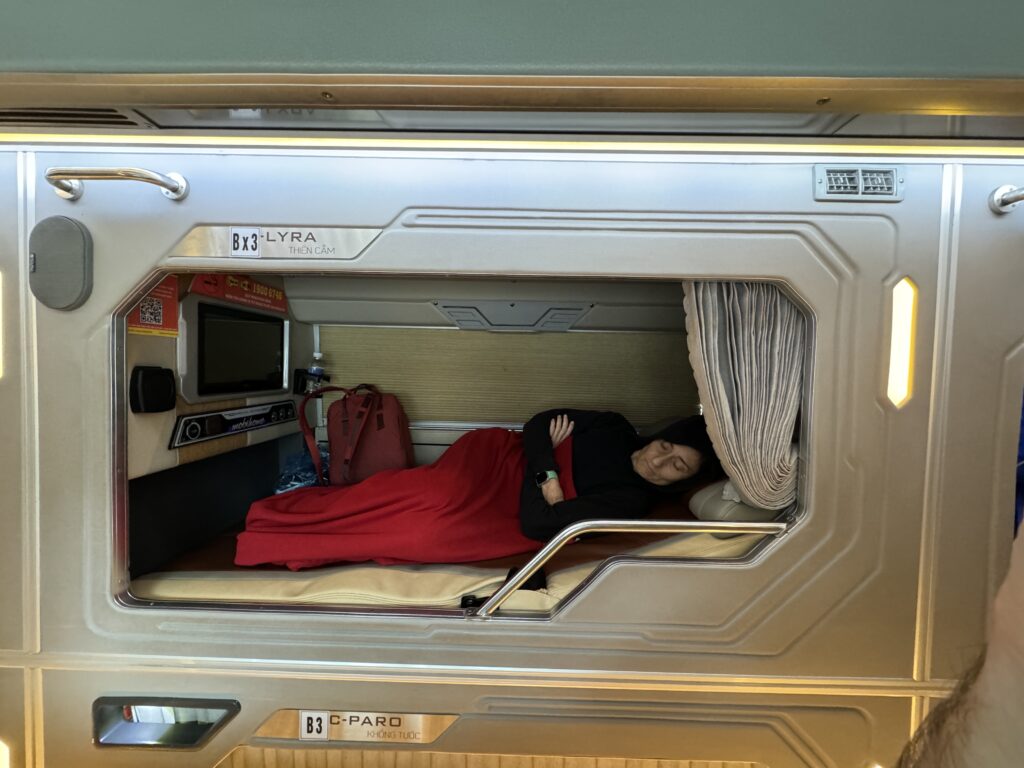
Transport is part of the adventure. Overnight sleeping buses are a rite of passage, connecting major cities at low cost. Trains are slower but more comfortable, with the scenic Reunification Express running from Hanoi to Ho Chi Minh City. Many travelers also rent motorbikes for short trips, especially around Sapa, Ha Giang, and the central coast. If you’re confident on two wheels, it’s one of the most memorable ways to see the country.
Backpacking Vietnam isn’t just about covering ground. It’s about saying yes to street food you can’t name, sitting on plastic stools by the road, or sharing tea with strangers who quickly become friends. With an open plan and a bit of curiosity, Vietnam becomes more than a route — it becomes a rhythm.
You can read our full Backpacking Vietnam Guide for First-Timers for routes, budgets, and local insights from our own trip.
The Best Beaches in Vietnam
Vietnam’s coastline stretches for more than 3,000 kilometers, and each stretch of sand has its own personality. Some beaches are quiet and untouched, others full of cafés and life. Whether you want to swim, surf, or just sit and do nothing, there’s a place that fits.
Nha Trang – Classic Beach Energy
Nha Trang is Vietnam’s best-known beach town. The bay is wide and bright, with turquoise water and a long promenade lined with palm trees. It’s busy but lively, filled with seafood restaurants, markets, and boats heading out to nearby islands.
If you want a mix of relaxation and nightlife, Nha Trang delivers. Try the grilled seafood at the night market, take a snorkeling trip, or simply spend your days by the water.
Da Nang – City and Sea
Da Nang sits between the mountains and the sea, making it one of the easiest beach destinations to combine with culture. My Khe Beach is long, clean, and calm, perfect for swimming or early-morning walks. You can spend the day at the beach and still be in the city by sunset.
Da Nang also makes a great base for visiting Hoi An or hiking the Marble Mountains. There’s a sense of space and ease here that makes it hard to leave.
Phu Quoc – Island Escape

Farther south, Phu Quoc Island feels like another world. The beaches are soft and white, the water warm and clear. Sao Beach and Long Beach are two of the island’s highlights — one quiet and remote, the other lively with cafés and beach bars.
Away from the coast, Phu Quoc National Park offers shaded trails and a glimpse of local wildlife. You can also visit a fish sauce factory, where one of Vietnam’s most famous ingredients is made the old-fashioned way.
Phu Quoc is changing fast but still holds its charm, especially if you explore beyond the main resort areas.
Vietnam’s beaches are places where life slows down and the light changes every hour. Whether you’re watching fishermen cast their nets at dawn or eating grilled squid under the stars, the coast shows another side of the country — quiet, reflective, and endlessly beautiful.
You can read more in our Vietnam Beaches Guide, with local tips on where to go and when.
Safety and Travel Essentials in vietnam
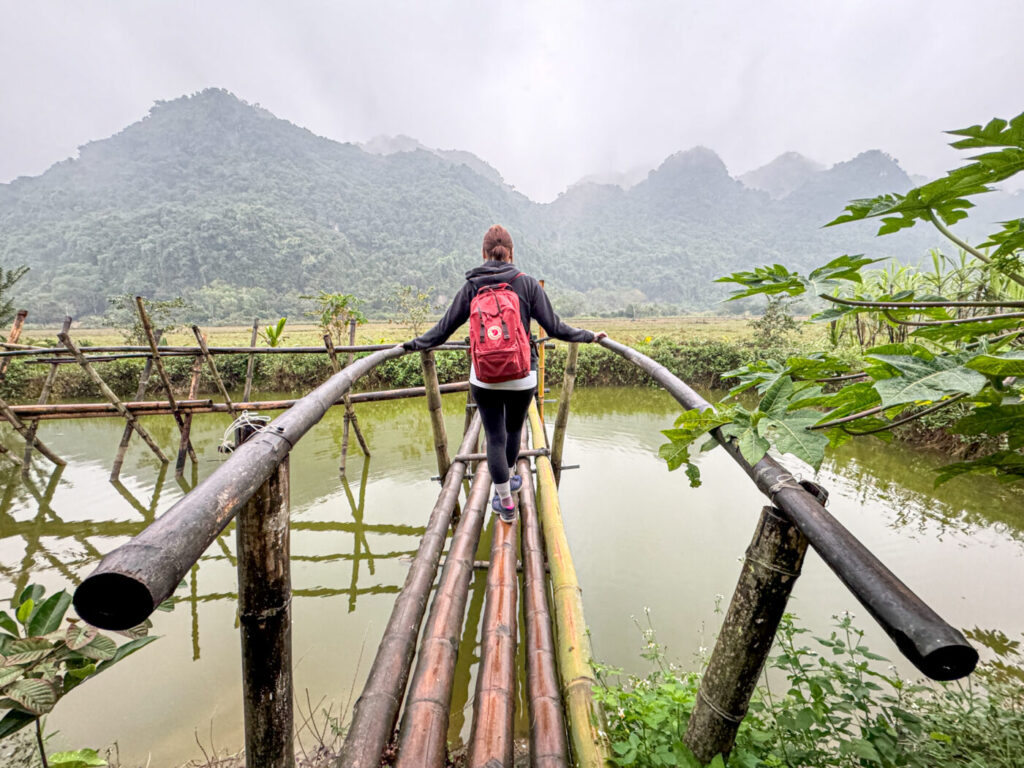
Traveling in Vietnam is exciting, but like anywhere, it helps to know a few basics before you go. The country is safe and welcoming, and most problems are minor and easy to avoid with a bit of preparation and awareness.
Health and Safety
Before your trip, check if you need any vaccinations or boosters and make sure your travel insurance covers medical care and cancellations. It’s worth having a policy that includes hospital treatment and lost belongings.
Water safety matters too. Always drink bottled or filtered water and avoid ice unless you’re sure it’s made from safe water. Vietnam’s heat and humidity can be intense, so stay hydrated and carry a refillable bottle.
Traffic can be chaotic, especially in cities like Hanoi and Ho Chi Minh City. When crossing the road, walk slowly and steadily so that scooters can move around you. It feels strange at first, but you’ll get used to it quickly.
Cultural Etiquette
Vietnamese people are proud of their culture and appreciate small gestures of respect. When visiting temples or homes, cover your shoulders and knees and remove your shoes at the door.
Bargaining is part of daily life in markets, but always keep it friendly and polite. Smiling goes a long way.
If you’re taking photos of people, especially in rural areas, ask first. Most will be happy to say yes if you approach them kindly.
Useful Phrases
Learning a few words in Vietnamese can open doors and make your trip smoother:
- Hello: Xin chào (sin chow)
- Thank you: Cảm ơn (gahm uhn)
- Please / Excuse me: Xin lỗi (sin loy)
- How much is this?: Cái này giá bao nhiêu? (kai nai zah bow nyew)
- Goodbye: Tạm biệt (tahm byet)
Locals will often laugh if you mispronounce something, but it’s always with kindness. Trying is what counts.
Everyday Travel Tips
- Cash is king: Cards are accepted in hotels and big restaurants, but small shops and street stalls deal in cash. ATMs are easy to find.
- Stay connected: Buy a local SIM card on arrival for cheap data and easy navigation.
- Dress light: Vietnam’s weather can change quickly. Bring light, breathable clothes and a rain jacket for sudden showers.
- Be patient: Trains can be slow, buses delayed, and things don’t always go to plan. That’s part of the experience — just slow down and let the country set the rhythm.
Vietnam is one of the easiest countries in Asia to travel through once you relax into its pace. It’s organized in its own way, and once you trust that flow, everything tends to fall into place.
Plan Your Own Vietnam Journey
Vietnam isn’t a place you simply visit; it’s a country you experience in layers. You can come for the food and stay for the people, or arrive for the landscapes and end up falling for the daily rhythm — the noise, the color, the kindness that shows up everywhere.
There’s no single way to see Vietnam. You can follow the coast from Hanoi to Ho Chi Minh City, focus on one region, or slow down and stay where it feels right. Use this guide as a starting point, then shape your own version of it.
The best advice we can give? Be flexible. Say yes to new food, take the longer route once in a while, and don’t rush to tick things off a list. Vietnam rewards curiosity more than speed.
Whether you’re planning a short escape or a longer adventure, this country has a way of turning every trip into a story. Let this guide be the beginning of yours and when you’re ready for more, explore our Vietnam itineraries, food guides, and insights to plan the journey that feels like yours alone.