

A complete, first-hand guide to Vietnam’s most remarkable places written with insight, honest advice, and a traveler’s eye for what truly matters.
Vietnam is one of those countries that grows on you slowly. The rhythm shifts from north to south, from misty mountains to rice fields, to coastlines that stretch for miles. It’s a place where every stop feels like a new story — not always perfect, sometimes chaotic, but always real.
We’ve visit the country extensively, and these are the places that stayed with us: some famous, some quiet, all worth knowing for different reasons.
Hanoi
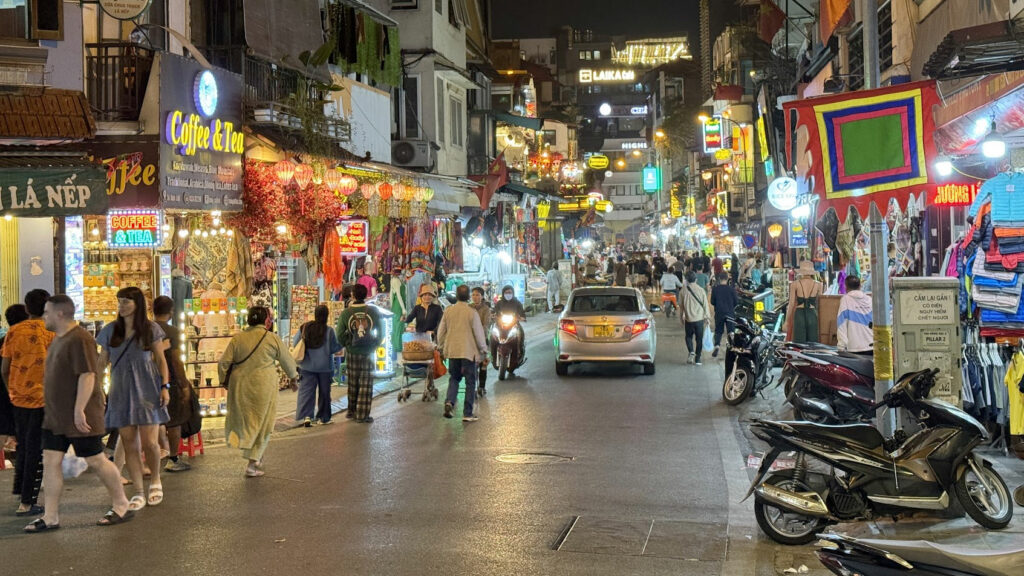
Hanoi is where Vietnam begins for most travelers, and it sets the tone immediately. The Old Quarter is a maze of sounds and smells: scooters, coffee, steam from noodle pots. The narrow streets are alive with vendors selling everything from grilled pork to tiny cups of black coffee. It’s messy and magnetic, and it never tries too hard to please.
Around Hoan Kiem Lake, the city slows down. Locals stretch, walk, and talk under the trees. The red bridge to Ngoc Son Temple glows at sunset, and it’s easy to see why this spot has inspired centuries of stories. Hanoi works best early in the morning, before the traffic takes over and when the first bowls of pho are served.
Ha Long Bay
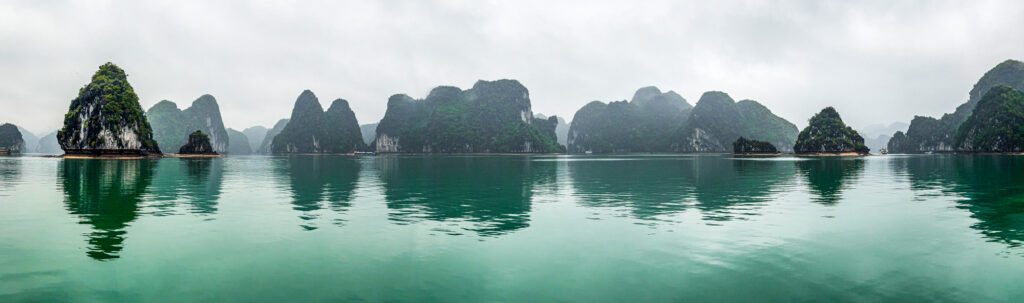
Ha Long Bay is exactly as beautiful as it looks in photos, just about ten times busier and polluted. The limestone karsts rising from green water are spectacular, but the crowds can steal some of the magic. For a quieter experience, set your course for Lan Ha Bay, part of the same geological area but far less crowded.
Sailing through the smaller islands, kayaking into hidden lagoons, and waking up to mist over calm water feels like another world. Whether you stay overnight on a junk boat or go for a day trip, it’s one of those landscapes that stays in your head long after you leave.
Hoi An

Hoi An is one of Vietnam’s most photographed towns and that’s both its charm and its curse. The yellow walls, the Japanese Bridge, the lanterns that glow at night are undeniably beautiful, but the town can feel more like a stage than a living place.
If you want to enjoy it, arrive early or late. Spend an evening walking along the Thu Bon River, eat something simple like cao lau noodles, and let the lights and reflections do the rest. Then move on.
We always recommend staying in Da Nang instead: a real coastal city with local life, long beaches, and better food. Visit Hoi An for its atmosphere, but let Da Nang be your base.
Hue

Hue is a city that remembers. The Imperial City still stands behind thick walls and quiet gates, its courtyards echoing with the ghosts of emperors and dynasties. You could spend a day exploring its pagodas, royal tombs, and the Perfume River that ties them all together.
Hue also has its own rhythm — slower, thoughtful, full of small surprises. The food reflects that too: delicate, balanced, a mix of sweet and salty inherited from royal kitchens. Even if you’re not a history buff, Hue’s calm feels like a pause in the middle of a busy trip.
Da Nang

Da Nang is Vietnam at ease with itself: modern, clean, and surprisingly laid-back. The Marble Mountains rise between the city and the sea, dotted with caves and small temples. Climb one for the view and then cool off at My Khe Beach, one of the longest, most open stretches of sand in the country.
The city has a great café culture, friendly locals, and a food scene that blends traditional Vietnamese dishes with new ideas. It’s also perfectly placed between Hue and Hoi An, which makes it an ideal base to explore central Vietnam without the crowds.
Sa Pa

Sa Pa feels like a different world. The air is cooler, the mountains taller, and the pace slower. It’s known for its rice terraces. vast green waves curving down the valleys, and for its ethnic minority villages, each with its own traditions and colors.
Trekking here is less about covering distance and more about seeing how people live. You pass homes, water buffalo, small markets, and children waving from the fields. The weather can shift fast, from sun to fog to rain, but that’s part of Sa Pa’s mood. It’s raw and beautiful and doesn’t pretend to be anything else.
Phu Quoc Island

PPhu Quoc is Vietnam’s easy escape. Warm, turquoise water, beaches that stretch forever, and enough resorts or quiet corners depending on what you want. The island’s night market is lively and chaotic — fresh seafood grilled in front of you, cold beer, the smell of salt and smoke in the air.
For snorkeling, the An Thoi archipelago to the south offers clear water and colorful coral. For slow mornings, stay near Ong Lang Beach, where things still feel small-scale and calm.
Dalat

Up in the Central Highlands, Dalat feels like another country — cooler, greener, quieter. Once a French hill station, it still has colonial villas and flower gardens, but the real draw is nature. Waterfalls, pine forests, coffee plantations, and the sound of nothing rushing.
Try canyoning if you like adventure, or just rent a motorbike and ride between farms and lakes. Dalat’s coffee culture is serious, and sitting in a café with a view of mist over the hills is one of those small pleasures that make Vietnam special.
Ho Chi Minh City
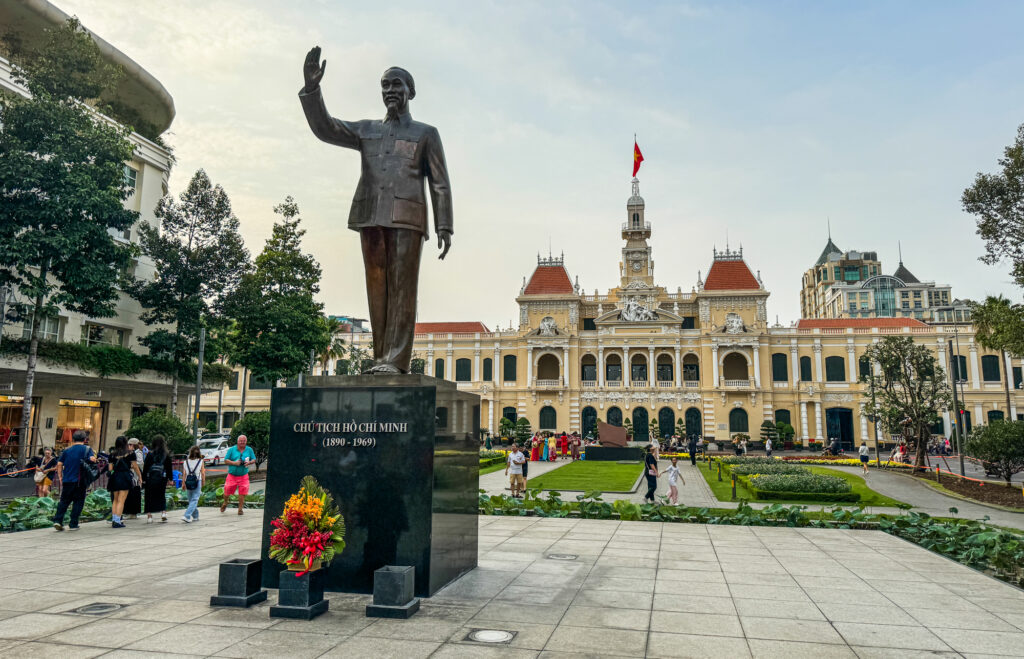
Fast, noisy, confident: Ho Chi Minh City (Saigon) is Vietnam’s energy turned up to eleven. It’s where old meets new, often on the same street: glass towers beside colonial buildings, temples beside rooftop bars.
The food scene is huge and brilliant. Try banh mi, com tam, and pho from street stalls, and balance it with coffee breaks that last too long. The city’s museums, especially the War Remnants Museum, are powerful reminders of the past, while the nearby Cu Chi Tunnels and Mekong Delta show the countryside’s resilience and beauty.
Ho Chi Minh City’s energy is most palpable in its streets, filled with the ceaseless buzz of motorbikes and the aromatic allure of street food stalls offering culinary delights that have earned global acclaim. The city’s food scene is a complete exploration of Vietnamese flavors, from the banh mi vendors to sophisticated restaurants that fuse traditional and contemporary tastes.
Beyond its urban allure, Ho Chi Minh City serves as a gateway to the Mekong Delta’s watery landscapes and the historic tunnels of Cu Chi, offering a deeper understanding of Vietnam’s heritage and resilience. This city is not just the economic heart of Vietnam but also a cultural melting pot, where tradition and modernity coalesce to create a continuously evolving tapestry of life.
Tips for Planning Your Vietnam Trip
Stay flexible: The best moments are often unplanned. A coffee stop, a missed turn, a chat that lasts longer than expected.
Plan your route: The country is long; choose north to south or the other way.
Use mixed transport: Trains and flights are reliable, buses fill the gaps.
Eat where locals eat: Street food is part of the culture, not a backup option.
Learn a few words: Even a simple “thank you” in Vietnamese goes a long way.
Stay connected: Grab a local SIM or eSIM.
Pack light: Layers for Hanoi, swimwear for the south, rain gear everywhere.
Seeing Vietnam Your Way
There isn’t a single “best” Vietnam. There’s the one you find in early-morning Hanoi, in the quiet of a Ha Long lagoon, in a shared meal on a small street in Saigon. Whether you go north to south or the other way around, the country’s mix of warmth, chaos, and calm stays with you.
Come curious, take your time, and let the country show you its rhythm. That’s when Vietnam feels most like itself.