

If you’re planning your first backpacking trip to Vietnam, start here.
Vietnam often appears on every traveler’s list for good reason: it’s affordable, full of flavor, and endlessly interesting. You’ll find food that changes from north to south, landscapes that shift every few hours, and a rhythm of life that’s fast, kind, and welcoming.
The hardest part is deciding where to begin and how to move safely and easily between regions.
We’ve built this guide from our own route through the country. It covers the best stops, how to plan your trip, and what to expect on the road: from long bus rides to the meals that make it all worth it.
Pack light, keep an open mind, and get ready to backpack through Vietnam.
Why Go Backpacking in Vietnam
Backpacking in Vietnam feels like stepping into a country that never stops surprising you.
From the green mountains in the north to the busy streets of Ho Chi Minh City, every stop adds something new.
Vietnam is affordable, full of flavor, and deeply welcoming. Street food stalls sit next to cafés where time slows down, and long bus rides bring you from beaches to rice fields without ever feeling repetitive. You see the traces of its history everywhere, not as scars but as reminders of how much this country has lived and changed.
What makes Vietnam stand out is its balance between energy and calm. Some days you’re surrounded by honking scooters and markets that never sleep; others, you’re alone in misty valleys where people still work the fields by hand. It’s a country that feels both young and old, modern and traditional at once.
That mix, and the chance to experience it up close, is what keeps travelers coming back.
How Long Should You Spend Backpacking in Vietnam?
How long you spend backpacking in Vietnam depends on how much you want to see. Vietnam stretches for more than 1,500 kilometers, and each region feels different.
If you can, give yourself a month. That’s enough to travel from the cool highlands of Sapa to the Mekong Delta without rushing. You can stop for a few nights in small towns, spend time at the coast, and follow local routes instead of sticking to the main ones.
If you have two weeks, focus on the highlights. A route from Hanoi to Ho Chi Minh City (or the other way around) covers the key cities and landscapes. You’ll miss some remote areas, but you’ll still get a clear sense of how diverse and full of life Vietnam is.
Either way, Vietnam adapts to your rhythm. Whether you travel slow or fast, you’ll always find something that makes you stop, look around, and think, “I’m really here.”
Best Travel Itinerary for Backpacking Vietnam
Vietnam stretches long and narrow, making it easy to travel from north to south. Starting in the capital and working your way down is the most natural route. You’ll move through changing landscapes, climates, and rhythms of life, seeing how the country shifts from the cool mountains to the warm coast.
Starting Point: Hanoi
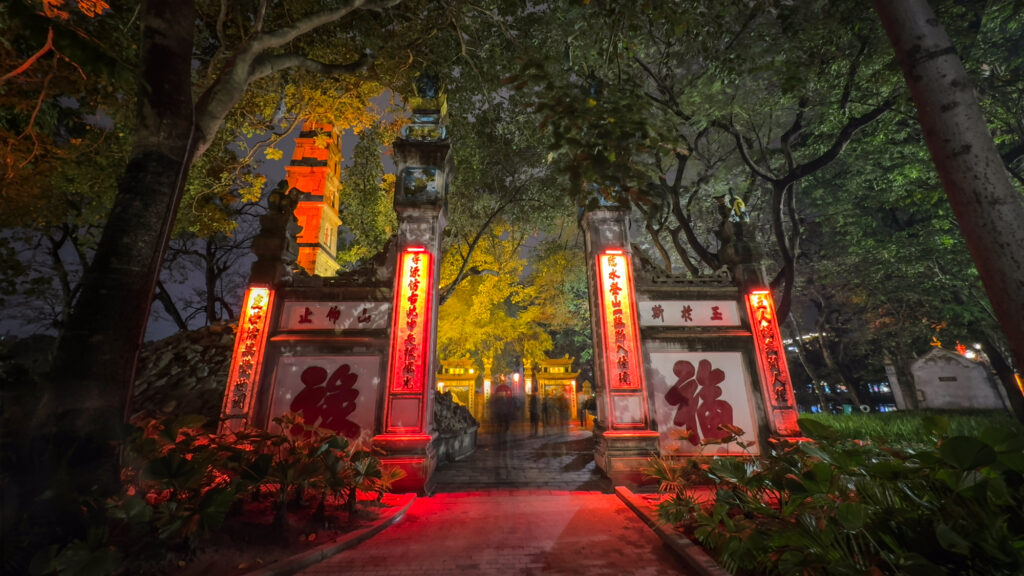
Hanoi is the perfect place to begin your backpacking trip. The capital feels alive from the moment you arrive. Streets are filled with scooters, food stalls, and the sound of people chatting over coffee.
The Old Quarter is where everything happens. The narrow streets are packed with small shops, tiny bars, and open kitchens that serve steaming bowls of Pho or plates of Bun Cha. Spend your first day walking with no fixed plan. Stop when something smells good, step into small temples when you see them, and let the noise and rhythm of the city guide you.
When you need a break, walk around Hoan Kiem Lake. It’s calm, green, and full of life. You’ll see couples taking photos, friends sitting under trees, and people doing morning exercises. Visit the Temple of Literature for a quiet look at the country’s academic past, and the Ho Chi Minh Mausoleum to understand more about its modern history.
Evenings in Hanoi are slower. Streetlights reflect on the lake, and the sound of traffic fades into the distance. Find a café or a spot near the water, order an Egg Coffee, and let your first day in Vietnam sink in.
Ha Long Bay: A Natural Wonder
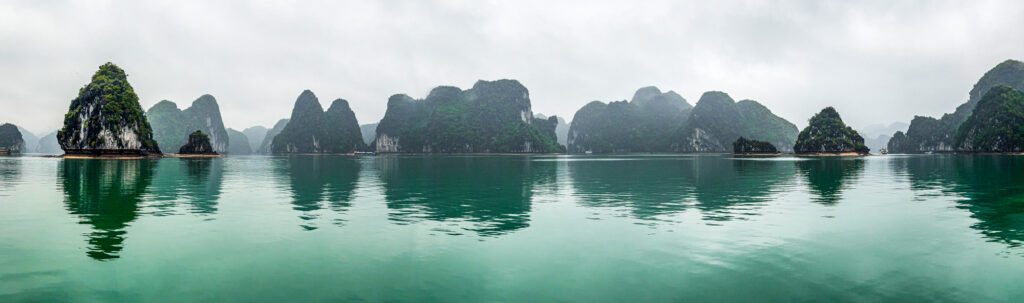
Ha Long Bay is one of Vietnam’s most famous sights and with good reason. The bay’s calm, green water and thousands of limestone islands make it look like something from another world.
It’s easy to visit on a day cruise, but staying overnight lets you see the bay at its best. Early mornings are quiet, and sunsets turn the cliffs golden. You can find everything from simple boats to comfortable cabins, depending on your budget and time.
There’s more to do than just admire the view. You can kayak through narrow passages, swim in clear water, or explore caves such as Sung Sot (Surprise Cave). Climbing to the top of Ti Top Island gives you one of the best views of the bay. The climb is short but steep, and the sight from above makes it worth every step.
TIP: To truly appreciate Ha Long Bay’s beauty, it can help to manage your expectations. While it is stunning, be aware that it’s also a very popular tourist destination, which unfortunately means you’ll find crowds and some pollution. Going in with this realistic perspective will make it easier to enjoy the magnificent views.
Sapa: Mountains and Local Life

High in the northern hills, Sapa offers a slower, quieter side of Vietnam. It’s surrounded by terraced rice fields that change color with the seasons and villages where different ethnic groups still live by their own traditions.
Trekking here isn’t just about the views, though they are some of the best in the country. You pass through small communities, meet people from the H’mong, Dao, and Tay groups, and see how they farm and live in the mountains.
The cool weather is a welcome break from the heat elsewhere in Vietnam. Spend your time walking the trails, drinking local coffee, and visiting the market for handmade textiles and food.
Sapa rewards travelers who take their time. It’s not a place to rush. Stay a few days if you can and let the mountain rhythm set your pace.
Tip: Don’t be discouraged from hiking Sa Pa solo. While many might say it’s impossible, you absolutely can walk the trails independently. However, be prepared to be firm yet polite with persistent local women who often approach tourists offering guiding services. They may try to follow you or encourage you to take routes where they can step in as “helpers” for a fee. We encountered an aggressive group, so just stand your ground and politely decline if you prefer to go it alone.
Hue: Traces of Vietnam’s Imperial Past

As you travel south, Hue shows a quieter, more reflective side of Vietnam. Once the capital of the Nguyen Dynasty, it’s still shaped by its royal past. The Imperial City is a vast walled complex of palaces, temples, and gardens. Walking through it feels like stepping into another time. You can see the layers of history in the faded paint, the stone courtyards, and the remains of old gates.
Hue is also known for its food, considered some of the best in the country. Try Bun Bo Hue, a spicy beef noodle soup with deep flavor, or Banh Beo, soft steamed rice cakes often topped with dried shrimp and crispy shallots. The recipes come from royal kitchens but live on in small local restaurants. Eating them where they were created adds another layer to the city’s story.
Hue moves at a slower pace. Spend time along the Perfume River, cross one of its bridges at sunset, and let the city show its rhythm without rushing it.
Hoi An: The City of Lanterns

From Hue, the journey continues to Hoi An, one of Vietnam’s most atmospheric towns. Its Ancient Town, a UNESCO World Heritage site, is full of yellow-painted houses, quiet alleys, and small temples. When night comes, the streets light up with hundreds of colorful lanterns that reflect on the river. It’s simple but unforgettable.
Hoi An is also known for its tailors. You can have a custom dress, suit, or shirt made in a day, often faster. It’s one of the most practical and personal souvenirs you can bring home.
If you love cooking, take a local cooking class. Most start with a walk through the market, where you learn about local herbs and vegetables, then move to a kitchen to prepare your own meal. It’s hands-on and a good way to understand how much care goes into Vietnamese food.
Beyond the shops and lanterns, Hoi An has a calm rhythm. Spend an evening by the river, order a plate of Cao Lau noodles, and watch the lanterns drift away one by one.
Tip: Hoi An is worth a visit, but manage your expectations. While the town is beautiful, we found that it felt heavily touristic, almost like a theme park, and we didn’t feel any connection to the place. Don’t skip it entirely, but keeping your expectations moderate will likely lead to a better experience.
Da Nang: A Coastal Escape

Between mountains and sea, Da Nang feels fresh and open. It’s modern but easy to navigate, with wide roads and clean beaches that invite you to slow down.
My Khe Beach is one of the best known, a long stretch of soft sand where locals come for early swims before the sun gets too hot. You can spend the day relaxing, try surfing, or rent a board for paddle practice. Just behind the beach, cafés serve fresh juice and seafood grilled to order.
A short drive away, the Marble Mountains rise quietly from the flat landscape. Each hill is named after an element, and together they hide temples, caves, and viewpoints. Climbing them is worth the effort for the wide view of Da Nang and the coast below.
When evening comes, the city lights change the mood. The Dragon Bridge and Han River Bridge glow in color, and locals gather near the water to walk or eat. Rooftop bars like Sky36 are good for a drink, but if you want to feel the city, visit the An Thuong Night Market instead. It’s noisy, friendly, and full of food worth trying.
Nha Trang: The Beachfront Adventure

Further south, Nha Trang brings another rhythm. It’s a beach town that mixes easy days in the sun with just enough energy to keep you moving.
The water here is clear, and there’s plenty to do. You can snorkel, dive, or take a boat out to nearby islands. Hon Mun Island has coral reefs protected as part of a marine reserve, while Hon Tam is known for its calm beaches and resorts. Hon Lao, often called Monkey Island, is a lighthearted stop with its cheeky residents and small animal park.
If you prefer to stay close to town, Vinpearl Land sits on an island just across the bay. A cable car connects it to the mainland, and it’s a fun escape for a few hours — part amusement park, part beach break.
At sunset, Nha Trang slows down. Locals gather by the sea, vendors sell snacks, and the air smells of salt and grilled squid. It’s a simple kind of evening, and it’s exactly what makes this city easy to love.
Da Lat: The City of Eternal Spring

Up in the Central Highlands, Da Lat feels like a different Vietnam. The air is cool, the hills are green, and the city moves at a slower pace. It’s often called the City of Eternal Spring because of its mild weather, a welcome change after days in the heat.
Da Lat is surrounded by nature. You can go trekking, mountain biking, or try canyoning on one of its nearby waterfalls. Lang Biang Mountain, Tuyen Lam Lake, and the Valley of Love are easy to reach and perfect for short day trips. Each spot shows a different side of the highlands — calm lakes, tall pines, and quiet paths where the city noise disappears.
Coffee is a big part of life here. Farms stretch across the hills, and many welcome visitors. Stop for a tasting to learn how beans are grown, dried, and roasted. You’ll likely be offered a cup of strong local brew, sometimes even the famous weasel coffee.
In town, the Da Lat Market is full of color and movement. Vendors sell fruit, vegetables, flowers, and handmade products. It’s a simple place to see daily life and pick up local snacks before you move on.
Ho Chi Minh City: The Metropolis
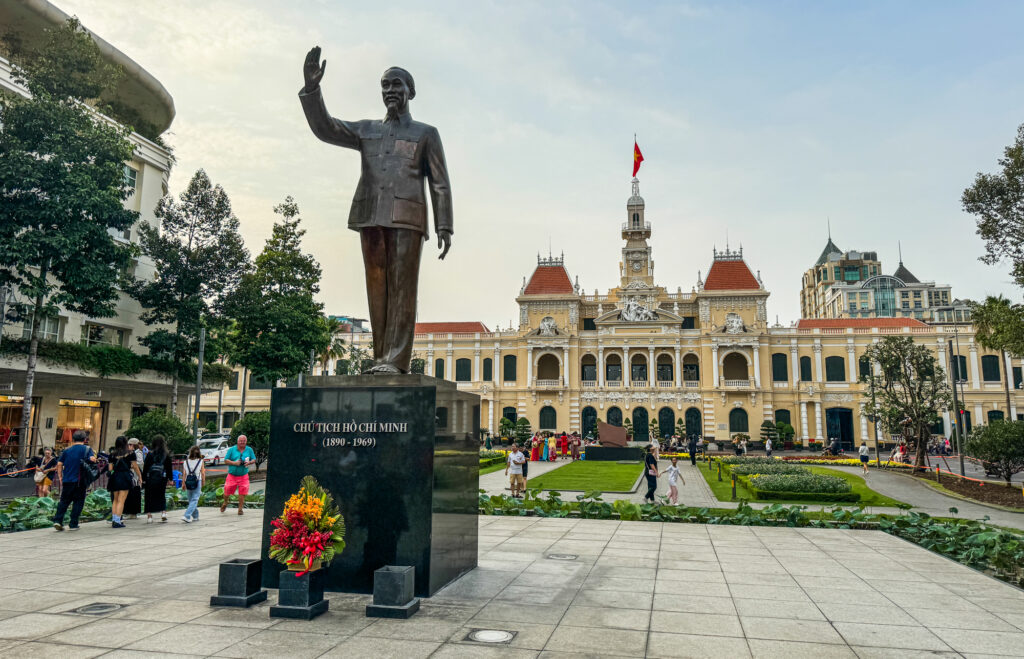
At the southern end of the country, Ho Chi Minh City brings everything together — the energy, the history, and the food. It’s Vietnam’s largest city, and it never really slows down.
Start with the War Remnants Museum, one of the most important stops in the city. The photos and exhibits are difficult to see at times, but they show the reality of Vietnam’s recent past and the resilience of its people.
Outside the city, the Cu Chi Tunnels reveal another side of that history. You can walk through a small section of the underground network once used by local fighters during the war. It’s a humbling experience that adds context to what you see in the museum.
When night falls, Ho Chi Minh City changes pace. Ben Thanh Market fills with food stalls, the smell of grilled seafood, and the sound of laughter. Try Banh Mi, Pho, or a crispy Vietnamese pancake, and eat shoulder to shoulder with locals.
The city is fast, hot, and loud, but it’s also full of life. Spending time here shows you modern Vietnam — ambitious, creative, and always moving forward.
The Mekong Delta: Life on the Water

At the southern tip of Vietnam, the Mekong Delta spreads into a maze of rivers, canals, and small islands. It’s known as the country’s Rice Bowl, and life here still follows the water’s rhythm.
A boat tour is the best way to see it. You’ll pass through narrow canals lined with palm trees, visit small villages, and watch people trade goods from one boat to another. The Cai Rang Floating Market is the most famous. Boats loaded with fruit, vegetables, and household items gather before sunrise, turning the river into a floating street.
If you prefer fewer crowds, head to the Phong Dien Floating Market. It’s smaller and more local, and you can buy breakfast straight from a vendor’s boat. Watching how people live and work entirely on the water gives you a true picture of the delta’s daily life.
Exploring Vietnam Beyond the Beaten Path
There’s more to Vietnam than the main backpacking route. Moving away from the crowds opens a world of quiet roads, mountain views, and moments that feel entirely your own.
In the far north, the Ha Giang Loop offers one of the country’s most dramatic landscapes. The mountain roads twist through valleys and villages, and every turn shows a new view. Most travelers ride it by motorbike, stopping at homestays run by local families. It’s demanding, but it’s also one of the most rewarding journeys in Vietnam.
If you love hiking, make time for Ta Xua, near Moc Chau. The trails climb through green ridges and open into a sea of clouds at sunrise. Standing there feels unreal — quiet, bright, and above everything else.
Along the coast, places like Quy Nhon offer beaches that stay mostly empty. Small fishing villages dot the shore, and the pace slows to match the tide. Riding a motorbike between these coastal spots is one of the easiest ways to see the less-traveled side of Vietnam.
Traveling off the main path doesn’t just show a different landscape. It shows a different Vietnam — one where people wave as you pass, where meals are shared without fuss, and where the country’s quiet strength appears in its simplest moments.
Accommodation Options for Backpackers in Vietnam

When backpacking in Vietnam, accommodation is one area where spending a bit more truly pays off. After long travel days, a clean room, a good shower, and a quiet night’s sleep can change your trip. And the best part? Comfort here doesn’t cost much.
We almost always stayed in four- and five-star hotels for the price of a hostel bed in other countries. Many offered spacious rooms, great service, and big breakfasts, all for what you might spend on a dorm elsewhere in Asia. It was worth every cent. If you can, treat yourself to this kind of stay whenever possible. You’ll rest better and enjoy your days more.
Of course, hostels are everywhere and can still be a good choice if you want to meet other travelers or save even more money. They range from lively party spots to calm, modern places with shared kitchens and co-working areas.
Guesthouses and homestays are another great option, especially outside the big cities. They’re often run by families who welcome you with home-cooked meals and local advice. Staying in one gives you a small window into Vietnamese daily life and a chance to support local communities.
Accommodation in Vietnam is reliable, clean, and far more affordable than you might expect. Whether it’s a high-end hotel, a cozy homestay, or a social hostel, spending wisely on where you sleep is one of the smartest decisions you can make while backpacking here.
Backpacking in Vietnam: Costs
Backpacking in Vietnam is one of the easiest ways to travel well on a small budget. We learned quickly that you don’t have to spend much to eat well, sleep comfortably, or move around easily.
On average, $20–30 a day is enough for most travelers. That includes food, local transport, and a clean place to stay. If you eat where locals eat, you’ll often spend less.
A bowl of Pho or a plate of Bun Cha costs about $3, and it’s a full meal. A local beer costs less than a dollar, while imported drinks are pricier. We often preferred the local ones — colder, lighter, and perfect for Vietnam’s heat.
Getting around is affordable too. Buses and trains are clean, reliable, and cheap. A long-distance bus with air conditioning might cost $10–15, depending on how far you go. In smaller towns, renting a scooter for a day costs about $5, and it’s the easiest way to explore at your own pace.
The farther you go from the main cities, the cheaper daily life becomes. Markets, food, and guesthouses outside Hanoi and Ho Chi Minh City are often half the price.
Traveling in Vietnam shows that good experiences don’t depend on how much you spend. With a modest budget, you can still enjoy amazing food, warm hospitality, and all the freedom you want.
Understanding Money in Vietnam

Money in Vietnam is easy to manage once you get used to the numbers. The local currency is the Vietnamese Dong (VND), and yes, the notes have lots of zeros. It might feel strange at first to pay a million for dinner, but you adjust quickly.
Cash is still king here. In markets, food stalls, and small towns, cash is the only option. Big hotels, shopping malls, and some restaurants in cities like Hanoi or Ho Chi Minh City accept cards, but you shouldn’t count on it everywhere.
ATMs are easy to find in cities and tourist areas. Most allow foreign cards, though fees and limits vary by bank. We found it better to withdraw larger amounts less often to avoid repeated charges. If you plan to use your card abroad, tell your bank in advance so they don’t block it by mistake.
Carry a mix of cash and cards. Keep smaller bills for daily spending — taxi rides, snacks, or small purchases — since many vendors can’t change large notes. A money belt or small pouch is handy for keeping cash safe when you’re moving between places.
Once you learn how the currency works, handling money in Vietnam becomes simple. Prices are clear, people are honest, and you’ll quickly find your own rhythm when paying for things.
Best Season for Backpacking in Vietnam
Choosing when to visit Vietnam makes a big difference to your trip. Because the country stretches over 1,500 kilometers from north to south, the weather changes a lot between regions. There isn’t one perfect time that fits all — it depends on where you plan to go.
Northern Vietnam is at its best from October to May. The weather is dry and cool, and the skies are often clear. It’s a good time for trekking in Sapa or exploring Hanoi without the heavy summer heat. Nights in the mountains can get cold, so bring a warm layer. From March onward, expect a little more humidity and short bursts of rain, which make the rice fields greener and the landscape even more photogenic.
In Central Vietnam, the ideal window is February to July. You’ll find warm weather and long days, perfect for visiting Hue, Hoi An, or Da Nang. Rain increases after August, and from June to August the heat can be strong, so early mornings and evenings are the most pleasant times to be outdoors.
Southern Vietnam follows a different pattern. The dry season runs from December to April, bringing hot but comfortable days and clear skies. This is the best time to visit the Mekong Delta or relax on Phu Quoc Island. Temperatures rise in March and April, so plan slower days or beach breaks during that stretch.
Overall, Vietnam is a year-round destination: you just need to plan by region. If you pack light, expect some rain, and stay flexible, you’ll find beauty in every season.
Tip: Don’t over-plan your trip based solely on weather forecasts; embrace the variability! We didn’t let the weather charts decide our travel dates or destinations. As a result, we found everything from humid rain in Hanoi to warm, sunny days in Ho Chi Minh City, and all the conditions in between. This mix actually added a wonderful element to the adventure.
Entry Requirements for Backpacking in Vietnam

Before your trip, verify the rules for your nationality. Vietnam’s visa policy has changed in recent years, and several new exemptions and options are in place now.
Visa-Free Entry / Exemptions
- From 15 March 2025 to 14 March 2028, citizens of 12 countries (Germany, France, Italy, Spain, United Kingdom, Russia, Japan, South Korea, Denmark, Sweden, Norway, Finland) can enter Vietnam visa-free for up to 45 days, regardless of passport type or purpose of entry.
- In addition, starting 15 August 2025, Vietnam will grant visa-free stays of 45 days to citizens of 12 more European countries (Belgium, Bulgaria, Croatia, Czech Republic, Hungary, Luxembourg, Netherlands, Poland, Romania, Slovakia, Slovenia, Switzerland) under a new tourism stimulus resolution.
- Some countries already benefit from other longer-standing bilateral visa-exemption agreements.
- All visa-exempt travelers still need a valid passport (valid at least 6 months beyond the entry date) and blank pages for entry stamps.
Visa Options for Other Travelers
If you are not from a visa-exempt country, or your stay is longer than allowed:
- You can apply for an e-Visa (Vietnam’s official e-Visa system) with a stay of up to 90 days, multiple entry, for many nationalities. Vietnam Tourism+2eVisa Vietnam+2
- For arrivals by air, Visa on Arrival (VOA) remains an option. You must secure a pre-approval letter before your trip, present it at the airport, along with your passport, photos, and stamping fee. eVisa Vietnam+3My Vietnam Visa+3Vietnam Visa+3
- VOA is only valid when entering via certain international airports. My Vietnam Visa+2Vietnam Visa+2
- The passport must be valid for at least 6 months beyond your date of entry. Entrepreneur+2Vietnam Tourism+2
Other Tips & Requirements
- Always carry a print or digital copy of your visa approval letter or e-Visa.
- You may be asked for proof of onward travel or accommodation bookings at immigration. MakeYourAsia+2Entrepreneur+2
- Inform your bank about your travel plans so your cards aren’t frozen due to suspicious foreign activity.
- Keep small denominations of currency for immigration fees and minor purchases.
How to Get Around Vietnam
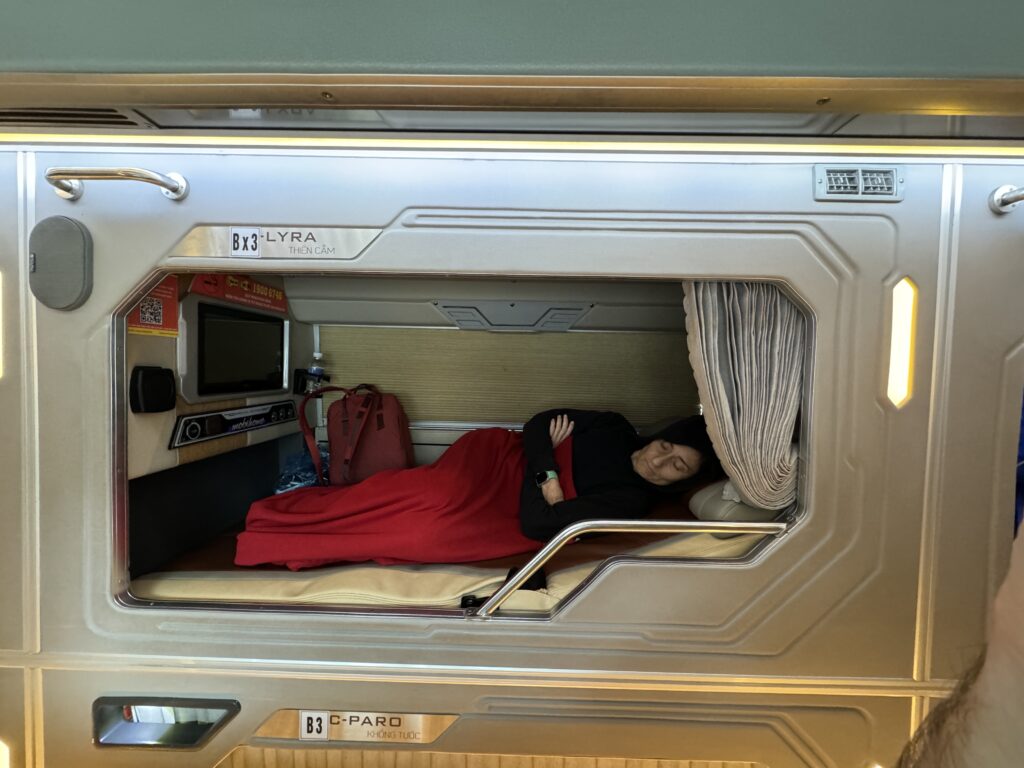
Traveling across Vietnam is easy and often part of the fun. You can cross the whole country on a small budget and still stay comfortable along the way. Each transport option has its own rhythm, and you’ll likely try more than one before your trip ends.
Buses are the most common way to move between cities. They’re cheap, frequent, and connect even the smallest towns. Most long-distance routes have air-conditioned sleeper buses where you can stretch out for overnight rides. You can book point-to-point tickets or a hop-on, hop-off pass, which works well if you’re following the classic backpacker route from north to south. It’s not luxury travel, but it’s reliable and friendly.
If you prefer more space and scenery, trains are a great choice. The Reunification Express runs from Ho Chi Minh City to Hanoi, passing beaches, rice fields, and small villages along the way. It’s slower than the bus, but the views make it worth it. Choose a soft sleeper cabin for comfort and book in advance during busy months. We loved traveling by train — it’s quiet, social, and a good way to see the country at a slower pace.
For longer distances, domestic flights save time. Vietnam has several low-cost airlines, and tickets are often cheaper than you’d expect. Flying from Ho Chi Minh City to Hanoi takes about two hours, compared to 30 hours by bus or train. It’s practical when you’re short on time or want to skip a long travel leg.
And then there’s the motorbike — the classic way to see Vietnam up close. Renting one lets you stop anywhere, explore side roads, and find small places most travelers never reach. It’s cheap to rent, and fuel costs very little. Just make sure you have travel insurance that covers riding, a proper helmet, and some experience before taking on the busy traffic.
Getting around Vietnam is straightforward. Mix buses, trains, and motorbikes depending on your pace and comfort level, and you’ll find that every journey shows a new side of the country.
Embracing Responsible Backpacking In Vietnam
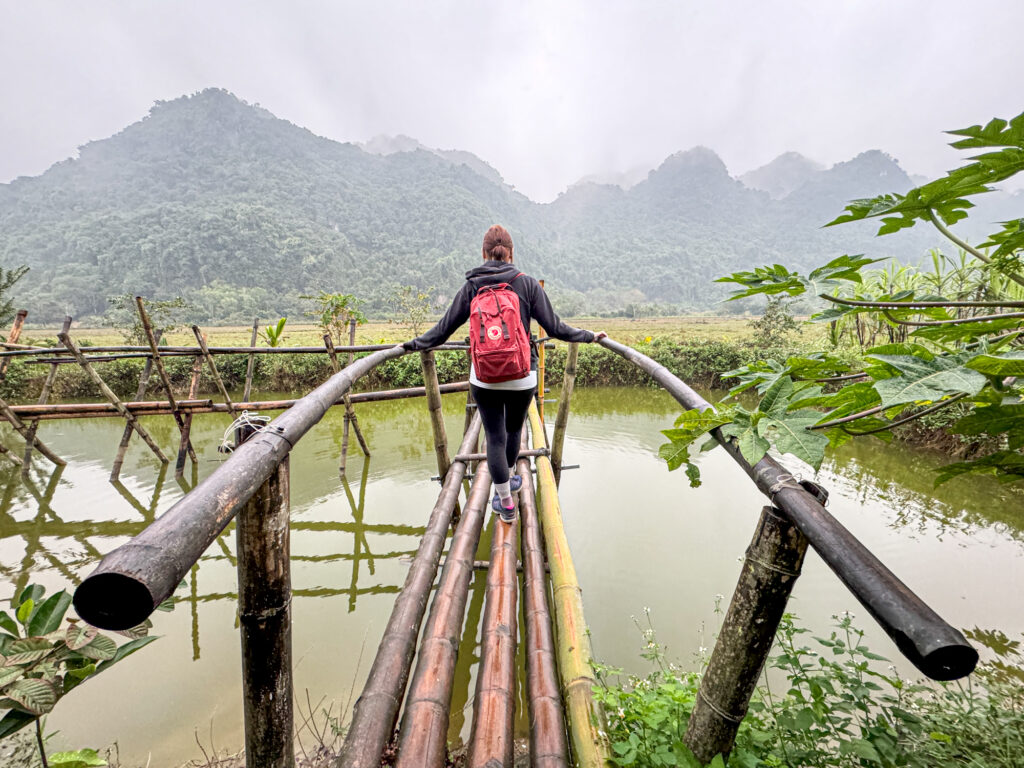
Backpacking in Vietnam is as much about the people as it is about the places. The best trips happen when you connect, listen, and treat every encounter with care.
Start by showing respect for local life. Learn a few words in Vietnamese: even a simple hello or thank you makes a difference. Dress modestly in temples and rural areas, and ask before taking photos of people. When someone invites you in for tea or conversation, take the time to sit. Moments like these turn quick meetings into memories that stay with you.
Being a thoughtful traveler also means caring for the environment that makes Vietnam so special. Carry a reusable water bottle, skip single-use plastics, and bring a small bag for markets. Use buses, trains, or shared rides whenever possible. If you go hiking or spend time outdoors, leave nothing behind. Small habits like these keep the country as beautiful as you found it.
And be mindful in your exchanges with people. Tourism is a big source of income in Vietnam, and you’ll meet many who rely on it to make a living. A lot of interactions are genuine, but often you’ll notice when someone is pushing too hard for a sale or tip. It’s normal: just stay polite, know when to say no, and trust your instincts. Spending locally is good, but awareness helps you support the people and businesses that truly deserve it.
Responsible travel isn’t about rules. It’s about awareness, kindness, and gratitude for the chance to explore a country this rich and welcoming. When you travel that way, Vietnam feels even more alive and you leave with more than just memories.