

Tokyo is one of the best cities in the world but it’s also one of the easiest places to get wrong. Not because it’s difficult, but because the city has its own rhythm, logic, and social expectations.
People often arrive excited, prepared, and well-researched… and still make mistakes that end up shaping their entire trip.
This guide isn’t a repeat of what you’ve read in Tokyo for first-Ttmers or our real advice for visiting Tokyo. Those are about doing Tokyo well.
This one is about the things that quietly sabotage trips and how to avoid them.
These are the mistakes we’ve seen over and over, the ones most guidebooks miss, and the ones that can turn an incredible city into an overwhelming blur if you’re not prepared.
Common mistakes visitors make in Tokyo and how to avoid them
The table below summarizes the most common mistakes visitors make in Tokyo and the mindset shifts that help avoid them.
| Common mistake | Why it causes problems | Better approach |
|---|---|---|
| Treating Tokyo as a compact city | Distances, stations, and transfers take more time than expected | Focus on one main area per day |
| Planning Tokyo like a checklist | You spend more time moving than experiencing | Choose experiences, not attractions |
| Expecting instant understanding | Tokyo’s culture reveals itself slowly | Give the city time and observe |
| Ignoring how quiet public spaces are | Loud behavior makes you stand out | Mirror local volume and pace |
| Traveling during rush hour | Trains become overwhelming | Avoid 8–9 AM and 5–7 PM |
| Assuming restaurants work like in the West | Popular places fill quickly or require queues | Eat earlier and keep backups |
| Skipping convenience stores | You miss easy, high-quality meals | Use konbini as part of daily life |
| Misreading neighborhood personalities | You end up in the wrong area for your style | Choose areas that match your rhythm |
| Underestimating station size | Transfers take much longer than expected | Arrive early and allow buffer time |
| Expecting everything to be open late | Many areas shut down early | Eat and shop earlier outside nightlife zones |
| Fighting the city’s pace | The trip feels stressful and rushed | Slow down and let Tokyo lead |
Mistake 1: Treating Tokyo like a compact city
Tokyo looks manageable on the map. It isn’t.
Neighbourhoods that appear “next to each other” are often separated by long walks, complex stations, or train lines that zig-zag across the city.
People underestimate:
- walking time inside stations
- the mental load of navigating
- how much sensory input Tokyo throws at you
- how long it takes to “switch” neighbourhoods
Shibuya → Harajuku → Shinjuku → Asakusa is not a day. It’s a marathon.
Better approach: choose one major area per day, then explore the smaller pockets around it.
Mistake 2: Planning Tokyo like a checklist
Tokyo is not a city you “complete.”
But people try:
- 12 attractions in a day
- chasing every Instagram spot
- assuming they need to see everything in Shinjuku, Shibuya, Ginza, Asakusa, Ueno, Odaiba… in three days
The result? You spend more time underground than above ground.
Tokyo rewards focus. Choose experiences, not lists:food, a neighbourhood walk, a museum, a park, a small shrine, a café that surprises you.
The best days in Tokyo are the ones with space to notice things.
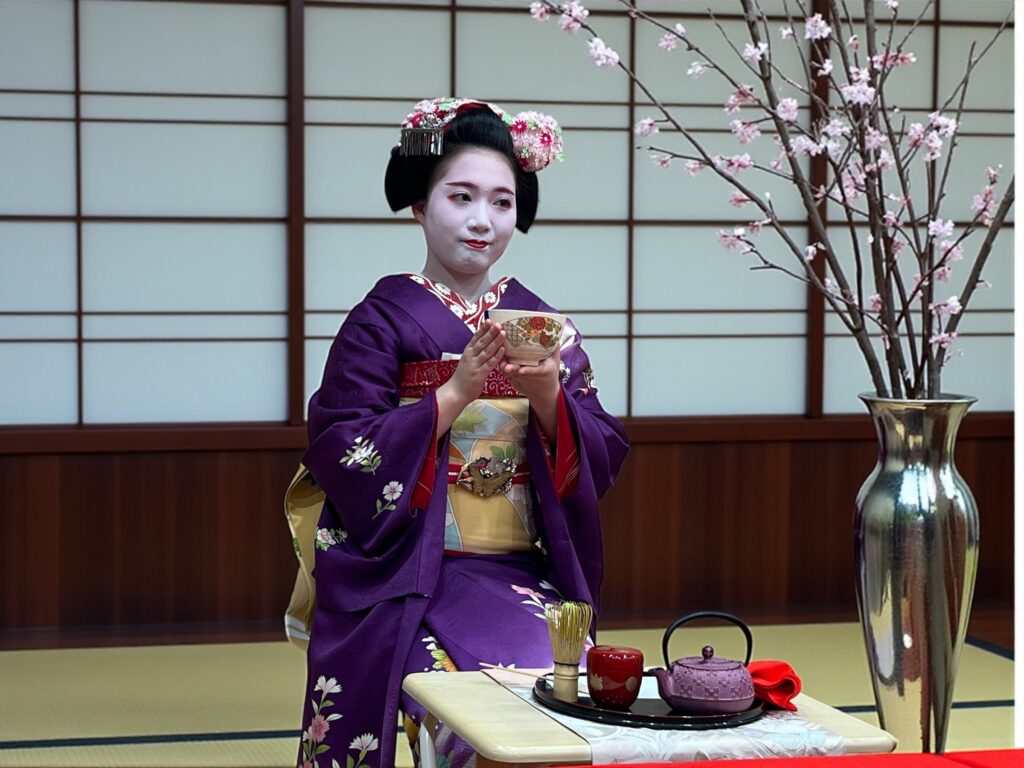
Mistake 3: Trying to “understand” Tokyo too quickly
Tokyo isn’t a city that reveals itself on day one. It’s layered, culturally, visually, socially.
Visitors sometimes expect:
- instant clarity
- easy communication
- Western-style friendliness
- obvious logic
But Tokyo works differently. People are polite but private. Quiet but observant. Direct in rules, indirect in behaviour. If you give the city time, everything starts making sense. If you rush it, you only see the surface.
Mistake 4: Ignoring how quiet Tokyo actually is
The stereotype: Tokyo is loud. The reality: Tokyo is quiet, extremely quiet in public spaces.
Visitors often don’t realise:
- trains are silent
- restaurants rarely blast music
- people don’t talk loudly in public
- escalators have rules
- queues matter deeply
The fastest way to stand out is to be noisy. Not intentionally, just by doing what feels normal at home.
Watch the people around you. Mirror their behaviour. The city flows much more smoothly when you move at its volume.
Mistake 5: Misunderstanding peak hours
Rush hour in Tokyo is not “busy”. It’s a force of nature. Crush-level. Efficient, but overwhelming.
Many travellers board trains at 8–9 AM thinking it’s fine until they’re squeezed into a carriage they can’t move in.
Avoid peak hours unless you’re absolutely comfortable with crowds.
Smart rule: If you don’t see other tourists on the platform, it’s probably rush hour.
Mistake 6: Assuming restaurants work like in the West
Tokyo’s restaurant culture has its own rules:
- many places don’t take walk-ins for popular dinner slots
- others operate with ticket machines
- some require lining up long before opening
- small restaurants fill with regulars first
- groups over 3–4 people are harder to seat
Visitors often wander hungry at 7 PM looking for “somewhere to eat” — and get frustrated.
Better approach: Have a shortlist. Always have a backup. Eat earlier than usual. Reserve if needed but do not expect to only eat well if you reserve.
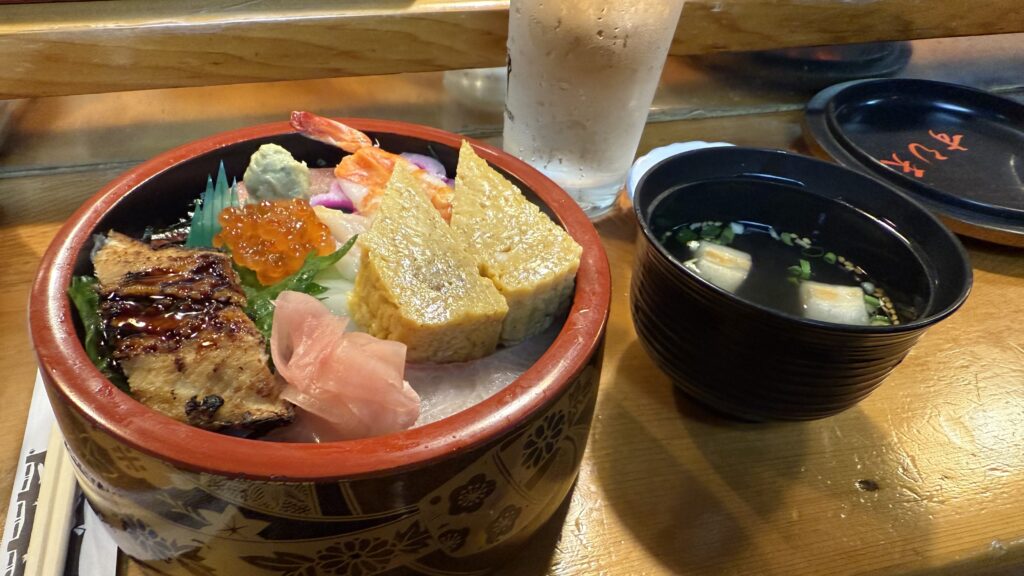
Mistake 7: Thinking convenience stores equal “snacks only”
Convenience stores in Tokyo, konbini, are not convenience stores as you know them.
They’re:
- your breakfast
- your emergency lunch
- your caffeine fix
- your late-night dessert
- your water refill
- your forgotten-umbrella savior
- your sanity during long days
The food is shockingly good. The prices are fair. The selection is endless. Skipping konbini because it “doesn’t feel cultural” is a mistake.
Mistake 8: Misreading neighbourhood personalities
Tokyo isn’t one city. It’s many.
Travellers often expect consistency but Tokyo shifts dramatically depending on where you stand.
- Shibuya: energy and youth
- Shinjuku: neon intensity, contrasts
- Asakusa: traditional, crowded
- Yanaka/Ueno: old Tokyo, slower
- Odaiba: futuristic, open, surreal
- Ginza: polished and elegant
- Shimokitazawa: creative, relaxed
- Daikanyama: quiet and stylish
People who “don’t like Tokyo” usually only saw the wrong version for them.
Mistake 9: Not understanding how big stations really are
Tokyo stations are not stations, they’re cities. Shinjuku, Shibuya, Tokyo Station, Ikebukuro… Walking from one platform to another can take 15 minutes.
Travellers underestimate:
- the distance between lines
- underground shopping malls
- multi-level labyrinths
- platform changes
- exits that are kilometers apart
Fix those common mistakes by changing approach. Arrive early. Don’t schedule connections too tightly. Tokyo Station alone can swallow 25 minutes without trying.
Mistake 10: Expecting everything to be open late
Tokyo is not a late-night city outside nightlife zones.
Visitors assume:
- shops stay open late
- cafés run until midnight
- museums stay open long
- dinner is always available
But many neighbourhoods wind down early. If you’re hungry at 9:30 PM in a residential area, you’ll struggle.
Know which districts stay alive after dark (Shinjuku, Shibuya, Roppongi) and which go quiet.
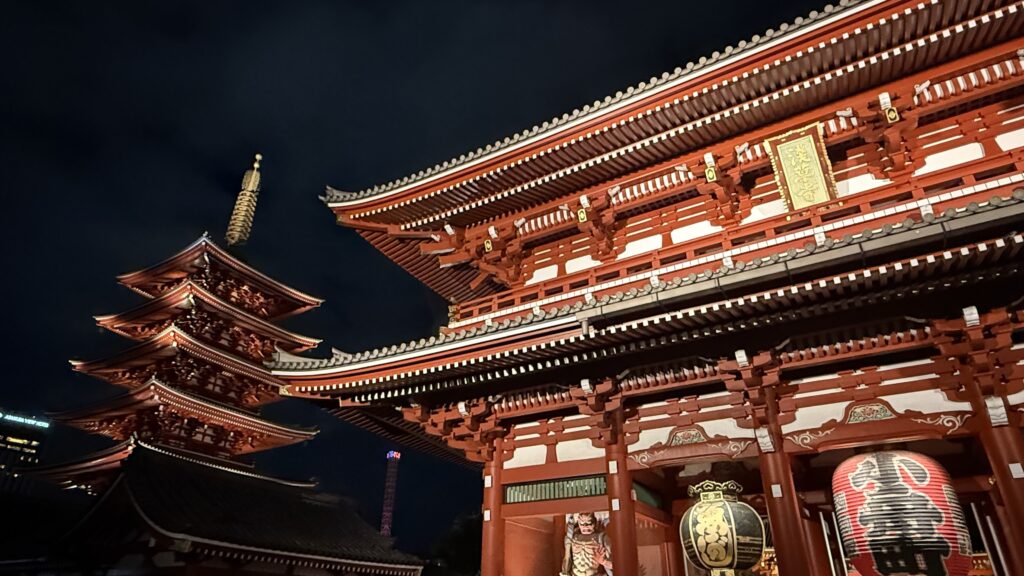
Mistake 11: Visiting Tokyo without adjusting your pace
Tokyo has its own tempo: not fast, not slow, but steady. One of the biggest mistakes travellers make is fighting against it.
Tokyo rewards:
- noticing small moments
- walking without rushing
- letting the city guide you
- choosing one or two main things a day
- giving yourself permission to skip things
If you match the city’s pace, everything becomes easier. If you force it, the trip feels like a sprint.
How to make Tokyo feel right
Tokyo can be overwhelming if you try to control it too tightly or force it into the shape of other cities you’ve visited. But once you understand its rhythm, the pauses, the quiet moments, the way people move, the unspoken rules, everything suddenly becomes easier, calmer, and more enjoyable.
Avoiding these mistakes isn’t about being “perfect” in Tokyo. It’s about giving the city space to show you its best self, at its own pace. Do that, and Tokyo stops feeling confusing or chaotic and starts feeling like a place you genuinely connect with: one detail, one street, one moment at a time.