

Ho Chi Minh City, Vietnam: Your travel bucket list needs this destination. Once called Saigon, this metropolis is a bustling center of culture, history, and commerce. Our readers want to travel and look for specific advice on specific places and a lot of food. That is why we wrote this guide.
The Foodellers readers seek a reliable and friendly source for accurate information and helpful suggestions they can apply to their travel. This guide is the result of our extensive trip to Vietnam. We give you useful and insightful information with a personal touch.
This itinerary is short, focused, and gives you the best parts of the city. We cover the main landmarks, great food spots, and day trips. You will get the most from your trip.
Day 1: Ho Chi Minh City’s History and Food
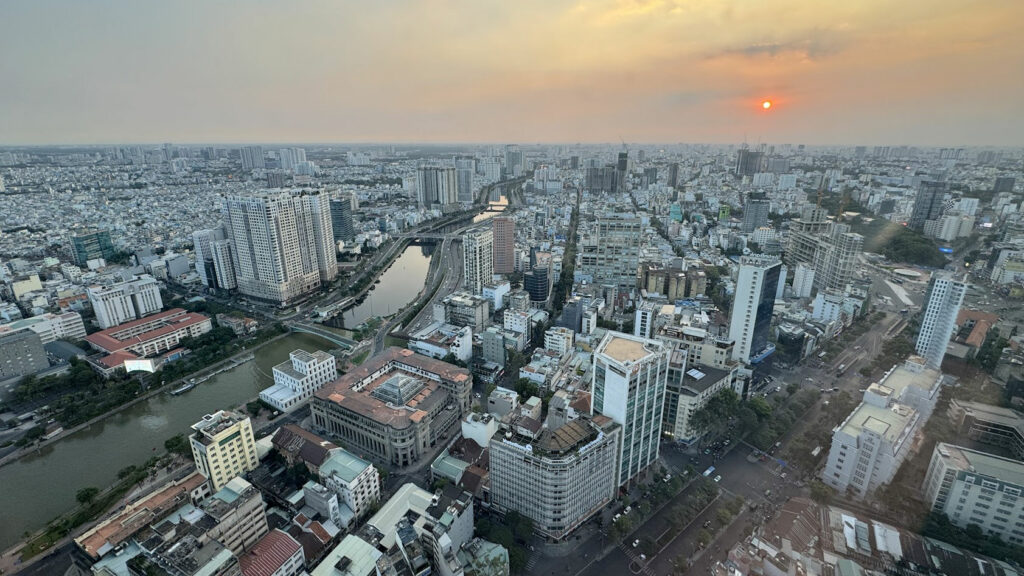
Start your trip by seeing the city’s past. Then, enjoy the vibrant food scene.
Morning: War Remnants Museum and Independence Palace
Begin with the War Remnants Museum. This spot reminds visitors of the brutal impact of the Vietnam War. The exhibits, including photographs and military equipment, offer a stark insight into war realities. This is an emotional experience. The War Remnants Museum shows history in a raw, unedited form. Prepare for a heavy visit. Approach it with respect. The museum ensures that the tough lessons of history are remembered. Walk to the Independence Palace. It is also called the Reunification Palace. This building symbolizes Vietnam’s fight for independence. See the well-preserved rooms. This includes the war command room. You can stand on the balcony where key historical events happened.
Afternoon: Notre Dame Cathedral and Central Post Office
Lighten the mood after a morning of history.
Visit the Notre Dame Cathedral. It shows exquisite French colonial architecture. Its red-brick façade and twin bell towers look striking. However: The Cathedral is under renovation right now. The facade is not visible. The Central Post Office is nearby. Gustave Eiffel designed it. It is a functioning post office. It is also a magnificent piece of architecture you should admire. Just a short walk away, you find Book Street (Đường Sách). This charming street is a haven for book lovers. It is a vibrant cultural spot. Bookstores and cafes line the pedestrian street. It offers a wide range of reading material. It’s a perfect place to relax with a book.
Evening: Street Food Tour
Ho Chi Minh City comes alive at night. A street food tour is the best way to see the action. Sample local dishes. For example: pho, banh mi, and bun thit nuong. Each dish tells a story of cultural influences. You taste the city’s soul. For a change in atmosphere, go through the Japanese Quarter. Streets glow under lantern light. Sushi bars beckon with their allure. This distinct area offers an interesting dive into Japan’s food culture right in Vietnam.
Day 2: Outside the Center and Culture
Today includes a trip outside the city, then a return for culture and shopping.
Morning: Cu Chi Tunnels
Dedicate your second day to the Cu Chi Tunnels. This is an extensive underground network. The Viet Cong used it during the Vietnam War. Crawling through the narrow passages gives a visceral sense of guerrilla warfare. The tunnels are outside the city. They are best visited with a tour. Why? A tour saves you time. You avoid figuring out how to travel, costs, and tickets.
Afternoon: Cholon, Temple, and Market
Venture into Chinatown (Cholon). Visit the Thien Hau Temple. This temple is dedicated to the sea goddess Mazu. Its interior is filled with incense. The roof sculptures are intricate. It is a fascinating cultural site. The Binh Tay Market is nearby. This market is bustling. You can haggle for goods. Sample street food among the locals.
Evening: Saigon Opera House and Dong Khoi Street
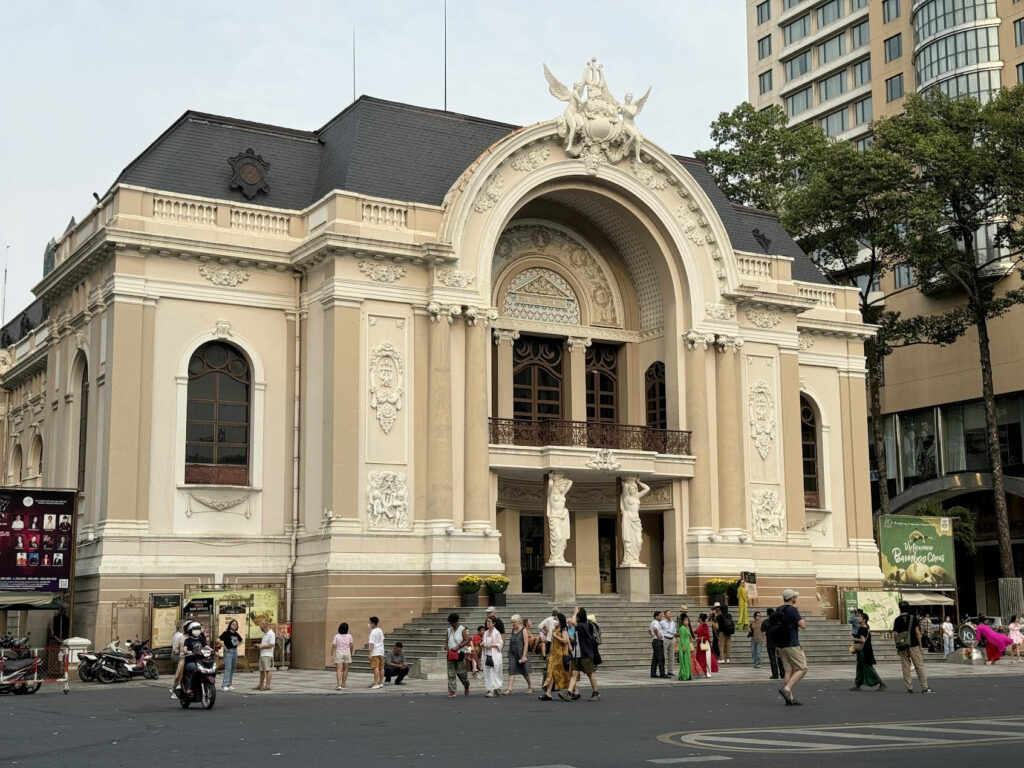
Conclude your day at the Saigon Opera House. Look for a performance that shows Vietnam’s cultural heritage. Take a walk down Dong Khoi Street. This is a prime spot for shopping and dining in the city’s heart.
Day 3: Leisure and Shopping
Enjoy a relaxing morning, hit the main market, and then see the city from the water.
Morning: Tao Dan Park
Start your day with a peaceful walk. Tao Dan Park is a green oasis in the city’s hustle. Locals practice Tai Chi here. They play badminton. They enjoy the tranquility.
Afternoon: Ben Thanh Market
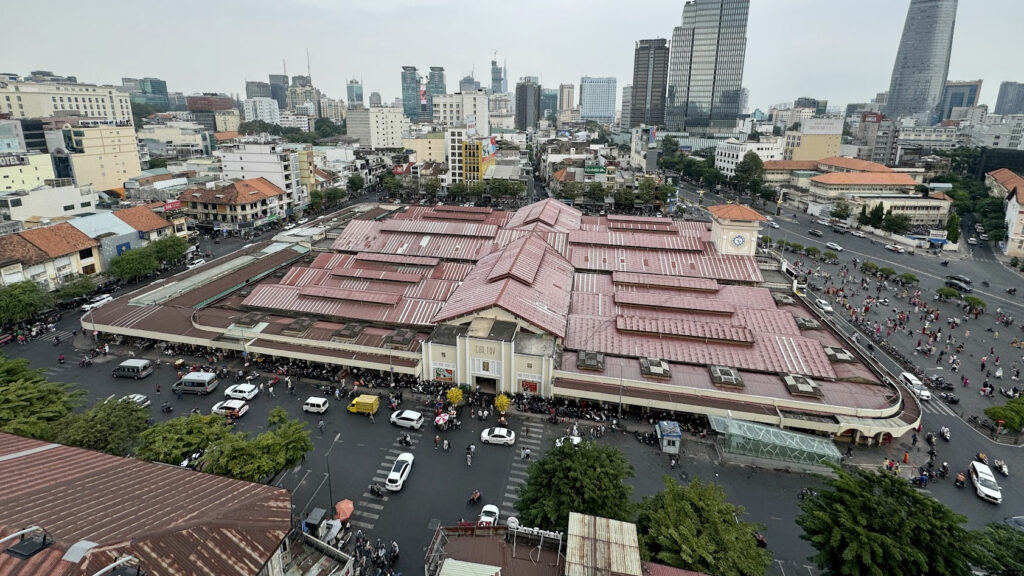
Ben Thanh Market is an iconic landmark. You can shop for souvenirs, textiles, and handicrafts. It is also an excellent spot to sample local dishes at food stalls. This offers an authentic taste of Vietnamese cuisine.
Evening: Saigon River Sunset Cruise
See the beauty of Ho Chi Minh City from the water. Take a sunset cruise on the Saigon River. Enjoy dinner on board. You glide past the city’s illuminated skyline. It is a perfect end to your day.
If you seek a vibrant scene after dinner, go to Ho Chi Minh’s famous Bar Street. This was originally Bui Vien. The youthful energy is palpable. Bar staff aggressively coax visitors inside. This street is a magnet for the younger crowd. Be ready for a bombardment of invitations
Day 4: Day Trips from Ho Chi Minh

Ho Chi Minh City is a great base for day trips.
Mekong Delta
The Mekong Delta shows the heart of Vietnam’s rural life. Explore the floating markets. Ride a sampan along the narrow canals. Visit local workshops. This trip lets you see how traditional products are made.
Vung Tau
Vung Tau is a beach escape. It is just a few hours from the city. It offers sandy beaches. You also see colonial architecture. The atmosphere is laid-back. Vung Tau is perfect for relaxation and exploration.
Essential: The Ho Chi Minh Coffee Apartment
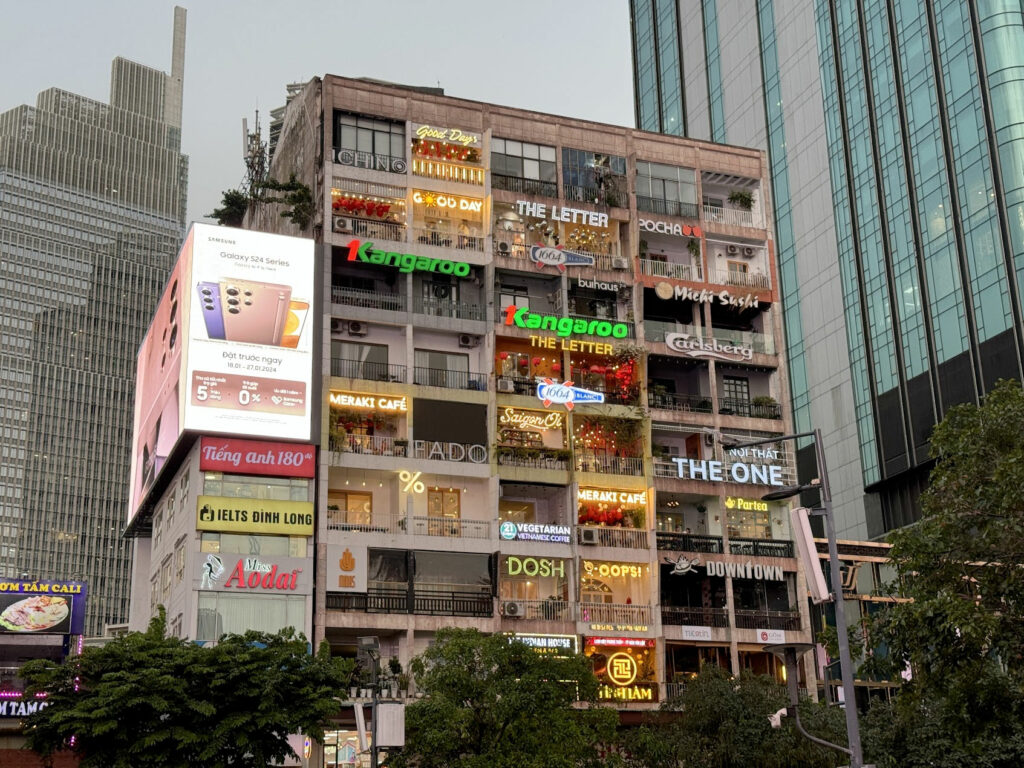
The culture of coffee is a living art in Vietnam. Do not miss one special spot: the Coffee Apartment.
This building stands on Nguyen Hue Street. It is a unique symbol of the vibrant coffee scene. It is an old apartment building. Each floor and almost every door opens to a different coffee shop. You find rustic spots with traditional Vietnamese drip coffee. You also find contemporary spaces with new blends. The Coffee Apartment is a multi-story exploration of Vietnam’s deep-rooted love for coffee. It shows the dynamic spirit of Ho Chi Minh City. Past and present merge here. This iconic spot is a must-visit for coffee lovers.
Ho Chi Minh City Tips for Travelers
These tips come from our experience in Ho Chi Minh. We found it amazing and overwhelming.
Best Seasons
The best time to visit is the dry season. This runs from December to April. The city has sunshine during these months. Skies are clear. Temperatures are moderate. This weather is perfect for visiting markets and sites. The comfortable weather makes outdoor dining and evening walks easy.
Getting Around the City
Transportation is an adventure itself.
- Motorbike taxis (xe ôm): This is an exhilarating way to move through the streets.
- Motorbike rental: Consider this for a more local experience. Ensure you are comfortable with the bustling traffic.
- Ride-hailing apps: These offer convenient and affordable options for travel.
- Negotiate: Always negotiate the fare with motorbike taxi drivers before you start your journey.
Cultural Insights and Etiquette
Be mindful of traditions and customs.
- Dress Modestly: Wear clothing that covers shoulders and knees when visiting sacred temples and pagodas. This shows respect.
- Remove Shoes: Take off your shoes before entering these sanctuaries.
- Basic Vietnamese: Use basic phrases. A simple “Xin chào” (hello) or “Cảm ơn” (thank you) enriches interactions.
- Tet (Lunar New Year): This is Vietnam’s most cherished celebration. The city is festive. Businesses close as locals go home for family reunions. Plan your visit carefully if you travel during this period.
Your Ho Chi Minh adventure is ready. Now you have everything you need to explore this incredible city, eat the best food, and bring home incredible memories.
FAQs: Your Quick Ho Chi Minh Answers
What is the local money in vietnam and should I tip?
The currency is the Vietnamese Dong (VND). Carry small bills for markets and street food vendors. While credit cards are accepted at nicer hotels and restaurants, cash is essential for smaller shops and day-to-day purchases.
Tipping is not required, but it is always appreciated for good service. A small tip of 10,000–20,000 VND is enough for most services.
Is the street food safe to eat in Ho chi Min City?
Yes, you must try the street food! It is safe and delicious.
Street food is a huge part of the city’s culinary scene. You should look for busy stalls with a high turnover of food. This ensures the ingredients are fresh and cooked properly.
Can I drink the tap water in hot chi min city?
No, do not drink the tap water. Even locals boil it before drinking. You should always buy bottled water, which is cheap and easy to find everywhere. Use bottled or filtered water for brushing your teeth as well.
How do I get from the Ho Chi Minh Airport (SGN) to the city center?
You have four main options from Tan Son Nhat International Airport (SGN):
- Ride-Hailing Apps: Use Grab. This is the easiest and most affordable way. Prices are fixed, usually ranging from 130,000 VND to 250,000 VND ($5–$10 USD).
- Taxi: Use a reputable company like Vinasun or Mai Linh. Always insist the driver uses the meter.
- Public Bus: The most affordable option. Bus #109 and #152 go directly to District 1. The fare is around 15,000–20,000 VND.
- Private Transfer: This is the most hassle-free option. Many hotels offer this service.
What are the top local dishes I need to try in ho chi min?
You need to try the famous noodle soup and the classic sandwich.
- Bánh Mì: The quintessential Vietnamese sandwich. It comes in many variations. Try one with grilled pork or cold cuts and pâté.
- Phở: The famous rice noodle soup with beef or chicken. Southern-style pho is usually sweeter and more flavorful.
- Cơm Tấm: This means Broken Rice. It is a Saigon staple. It usually comes served with barbecued pork chop, a fried egg, and dipping sauce.