

Vietnam changes character completely depending on when and where you go. The country stretches over 1,000 kilometers from north to south, which means the weather varies dramatically — cool and misty in the northern mountains, hot and humid in the south, and unpredictable in between.
If you time it right, you’ll see Vietnam at its best: green rice terraces, clear skies over Ha Long Bay, and long sunny days along the coast. Time it wrong, and you might find yourself dodging monsoon rains or heavy fog. We learned this the hard way: one summer trip to central Vietnam ended in more rain ponchos than beach days.
This guide breaks down the best time to visit Vietnam by region, helping you plan around the country’s shifting seasons and still make the most of your trip, whatever the month.
Understanding Vietnam’s Climate
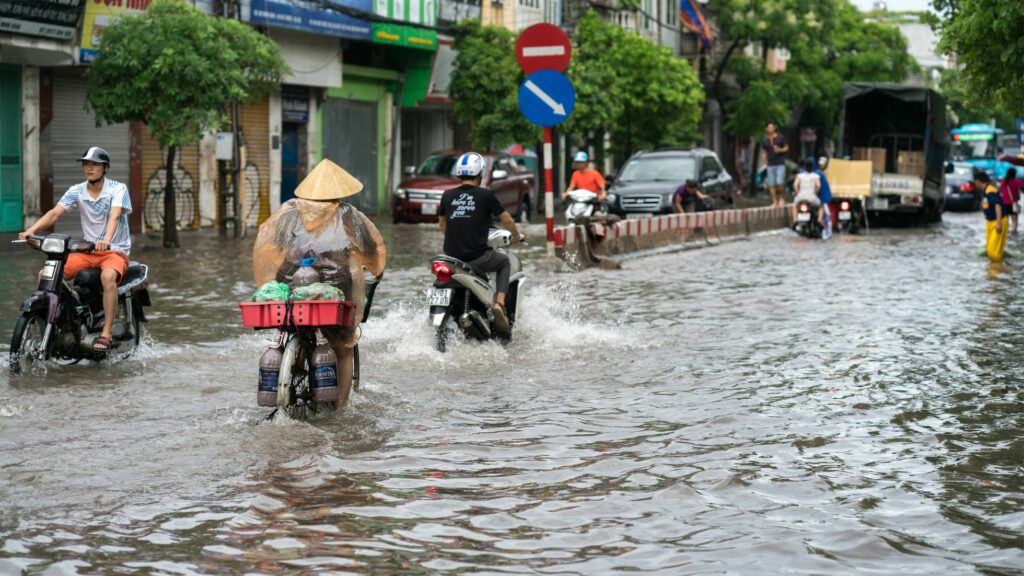
Vietnam’s weather follows three main zones:
- Northern Vietnam has four distinct seasons — cool winters and warm, wet summers.
- Central Vietnam has a dry season and a wet, storm-prone one.
- Southern Vietnam is hot all year, divided into dry and rainy seasons.
Because of that diversity, there’s no single “perfect” month for the entire country — but there are great times depending on where you’re headed.
What Is the Best Time to Visit Northern Vietnam?
Best time: October to April
Avoid: June to August (hot, humid, frequent rain)
Northern Vietnam is at its most pleasant between October and April. Expect cooler, drier days and crisp air in the highlands. December through February can feel surprisingly cold, especially in Sapa, so pack layers.
This season is ideal for exploring Hanoi’s old quarter, trekking in the north, and cruising Ha Long Bay without haze.
What Is the Best Time to Visit Central Vietnam?
Best time: February to May
Avoid: September to November (typhoon and flood season)
Central Vietnam has a warm, sunny stretch from February to early summer. This is when you’ll get the best beach weather in Da Nang and Hoi An, plus good conditions for sightseeing in Hue.
By late summer, the heat gets intense, and the autumn months often bring storms — something to keep in mind if your trip includes outdoor plans.
What Is the Best Time to Visit Southern Vietnam?
Best time: December to April
Avoid: May to November (rainy season, though showers are usually short)
The south stays warm all year, but December to April brings the most comfortable dry weather — perfect for river cruises, city exploring, and island getaways. Even during the rainy months, downpours are usually brief and refreshing, rarely enough to derail plans completely.
The Best Overall Time to Visit Vietnam

If you’re traveling across the country, February to April offers the best balance: warm days, limited rain, and comfortable conditions north to south. You’ll also catch a few key festivals like Tet (Vietnamese New Year) and the Perfume Pagoda Festival, which add color and energy without too much disruption.
Month-by-Month Guide to Vietnam’s Weather and Festivals
| Month | Northern Vietnam | Central Vietnam | Southern Vietnam | Cultural Events |
|---|---|---|---|---|
| Jan | Cool & Dry | Cool & Dry | Warm & Dry | Tet Festival |
| Feb | Cool & Dry | Warm & Dry | Warm & Dry | Perfume Pagoda Festival |
| Mar | Mild & Dry | Warm & Dry | Hot & Dry | Buon Ma Thuot Coffee Festival |
| Apr | Warm & Dry | Hot & Dry | Hot & Humid | Hung King Festival, Reunification Day |
| May | Warm & Wet | Hot & Humid | Hot & Humid | Buddha’s Birthday |
| Jun | Hot & Wet | Hot & Humid | Hot & Wet | Tet Doan Ngo (Mid-Year Festival) |
| Jul | Hot & Wet | Hot & Wet | Hot & Wet | |
| Aug | Hot & Wet | Hot & Wet | Hot & Wet | Vu Lan Festival (Ghost Festival) |
| Sep | Cool & Wet | Warm & Wet | Hot & Wet | Mid-Autumn Festival |
| Oct | Cool & Dry | Warm & Dry | Warm & Wet | |
| Nov | Cool & Dry | Cool & Dry | Warm & Dry | Ha Long Bay Carnival |
| Dec | Cool & Dry | Cool & Dry | Warm & Dry | Christmas Celebrations |
Weather-Smart Travel Tips for Vietnam
- Plan around regions, not the whole country. Vietnam’s length means weather rarely aligns perfectly north to south. Focus your trip on one or two zones if timing is tight.
- Pack for contrast. If you’re heading from Hanoi to Ho Chi Minh City, you’ll go from jackets to sandals in a single week. Bring layers and light waterproofs.
- Check forecasts before moving on. During the rainy season, a quick glance at local updates can save you from delayed trains or flooded roads.
- Be flexible. A rainy day might cancel your beach plans but give you time to linger in a café or take a cooking class.
- Mind Tet and big holidays. Vietnam slows down during Tet (usually January or February). Expect closures and busy transport, but it’s also one of the most beautiful times to see local life.
By prioritizing these climate-focused travel tips, you’re not just preparing for a trip to Vietnam; you’re ensuring that your journey through this diverse and stunning country is as seamless and enriching as possible, tailored perfectly to the rhythm of its seasons.
When to Plan Your Trip to vietnam
There’s no single “best” time to visit Vietnam, only the right one for your plans. If you’re here for hiking or exploring the north, spring and autumn are ideal. For beaches and coastal trips, late spring works best. And if you’re chasing dry, easy travel days, winter in the south is the safest bet. Plan around what you want to see, not just the forecast, and Vietnam will meet you halfway; sometimes with sunshine, sometimes with rain, always with character.