

Planning a 10-day trip to Japan can feel overwhelming. There’s so much to see, and every corner of the country tells a different story — from temples surrounded by nature to neon-lit cityscapes that never sleep. With only ten days, how do you choose what to see without feeling rushed or missing something essential?
Many travelers face the same dilemma: stay in a few places and explore them deeply, or try to cover as much ground as possible and risk only scratching the surface. Ten days sound like plenty, but when you start planning, you quickly realize how little time it is to experience Japan’s depth and diversity.
That’s why we’ve designed three 10-day itineraries that balance both quality and variety. Each one captures a different side of Japan: from the quiet beauty of Kyoto’s temples to Tokyo’s districts, with detours to places like Hakone, Hiroshima, and the foothills of Mount Fuji.
Every stop has been chosen from our own travels to help you make the most of your time, see more, and still feel the rhythm of the real Japan.
Get ready to discover what are the top things to do in Tokyo in 2026 and to plan an amazing Japan trip in 2026, with plenty of things to do, see and eat.
10 Days in Japan: Tokyo, Kyoto, and Osaka
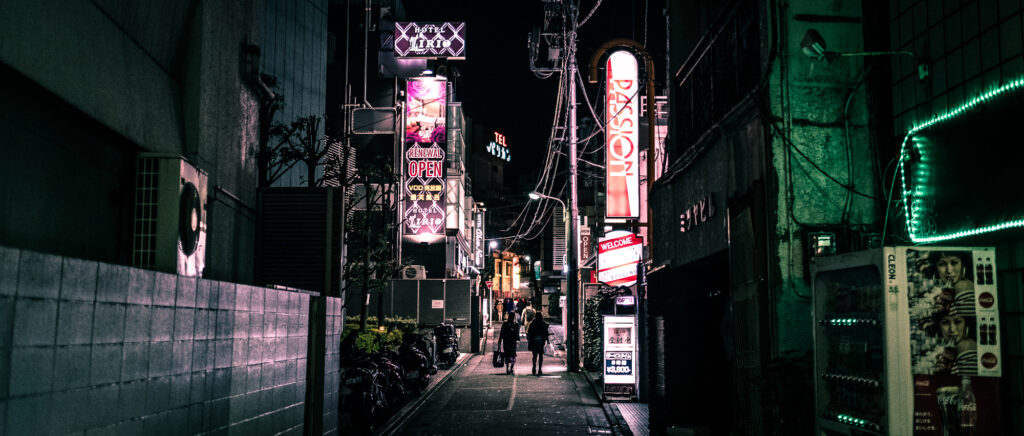
If it’s your first time in Japan and you have ten days to explore, this route gives you a bit of everything — modern cities, ancient temples, local food, and a few peaceful escapes in between. You can easily adapt it: spend longer in one place, skip others, or add small detours depending on your interests. Think of it as a flexible starting point to experience Japan in just ten days without feeling rushed.
Days 1–2: Tokyo
Arrival in Tokyo
Once you land, make your way to your hotel and give yourself time to rest. Depending on your arrival time and how you feel, you might want to take a first short walk around your neighborhood — even a simple stroll will give you that first, unforgettable glimpse of Tokyo’s rhythm.
Day 2: Exploring Tokyo’s contrasts
- Asakusa – Start with a visit to Sensō-ji, Tokyo’s oldest and most beloved temple. Walk through Nakamise-dori, a lively street filled with traditional snacks and souvenirs — a great place for your first taste of local street food.
- Shibuya – Experience the famous Shibuya Crossing, watch the organized chaos, and stop by the Hachikō statue, a small but meaningful symbol of loyalty.
- Shinjuku – End your day in Shinjuku’s Golden Gai, a maze of tiny bars where locals and visitors share drinks and stories. It’s the perfect way to see a different, more intimate side of the city.
Tip: Tokyo is enormous, but its subway system is easy to navigate with a prepaid card like Suica or Pasmo. Plan each day by neighborhood to avoid wasting time on long commutes. Read our Tokyo guide for more insights and planning tips.
Day 3: Hakone
Take a day trip to Hakone, one of the most scenic areas near Tokyo. Ride the Hakone Tozan Railway, admire the volcanic landscape, and, on clear days, catch stunning views of Mount Fuji. End the day soaking in an onsen (hot spring) — one of Japan’s most relaxing experiences. If you stay overnight, choose a ryokan (traditional inn) for a taste of Japanese hospitality.
Days 4–5: Kyoto
Travel to Kyoto on the Shinkansen, Japan’s high-speed train. The journey takes about two and a half hours and offers views of Mount Fuji along the way.
Day 5: Temples, nature, and tradition
- Fushimi Inari Taisha – Walk through the thousands of red torii gates leading up the sacred mountain. Go early to avoid crowds.
- Arashiyama – Visit the Bamboo Grove and Tenryu-ji Temple, then enjoy a quiet moment along the Katsura River.
- Gion – Spend the evening in Gion, Kyoto’s historic geisha district. As you wander its narrow lanes, you might spot a maiko (apprentice geisha) on her way to an evening appointment.
Tip: Kyoto is overwhelming: a lot of tourists and a chaos that sometimes takes a toll on your mind. But it definitely rewards slow travel. Don’t rush between temples: stop for matcha in a local tea house or try yuba (tofu skin), a regional specialty.
Day 6: Nara
Take a day trip to Nara, less than an hour from Kyoto. Visit Nara Park, where deer freely roam among visitors, and the impressive Tōdai-ji Temple, home to one of Japan’s largest bronze Buddhas. It’s a quieter, more spiritual day that balances the energy of the big cities.
Day 7: Hiroshima and Miyajima
Take an early Shinkansen to Hiroshima. Visit the Peace Memorial Park and Atomic Bomb Museum — sobering yet essential stops to understand Japan’s modern history. In the afternoon, take a ferry to Miyajima Island to see the iconic floating torii gate of Itsukushima Shrine. Stay until sunset if you can — it’s one of Japan’s most beautiful sights.
Days 8–9: Osaka
Head to Osaka, Japan’s fun-loving, food-obsessed city.
Day 8: Check into your hotel and explore Dōtonbori after dark — a riot of neon signs, music, and irresistible street food. Try takoyaki (octopus balls) or okonomiyaki (savory pancakes) from one of the countless stalls.
Day 9: Visit Osaka Castle, then head to the Umeda Sky Building for a panoramic view of the city. Spend your last night sampling local dishes in a neighborhood izakaya.
Tip: Osaka is one of our favorite places in Japan and it feels extremely different from classical Japan. Osaka locals are famously friendly and direct. If someone strikes up a conversation, don’t hesitate to chat: it’s one of the best ways to experience Kansai’s warm spirit.
Day 10: Return to Tokyo
Take the Shinkansen back to Tokyo for your final hours in Japan. Use the time for last-minute shopping or a quiet walk in Ueno Park before heading to the airport.
Itinerario 10 Giorni In Giappone: Tokyo-Kyoto
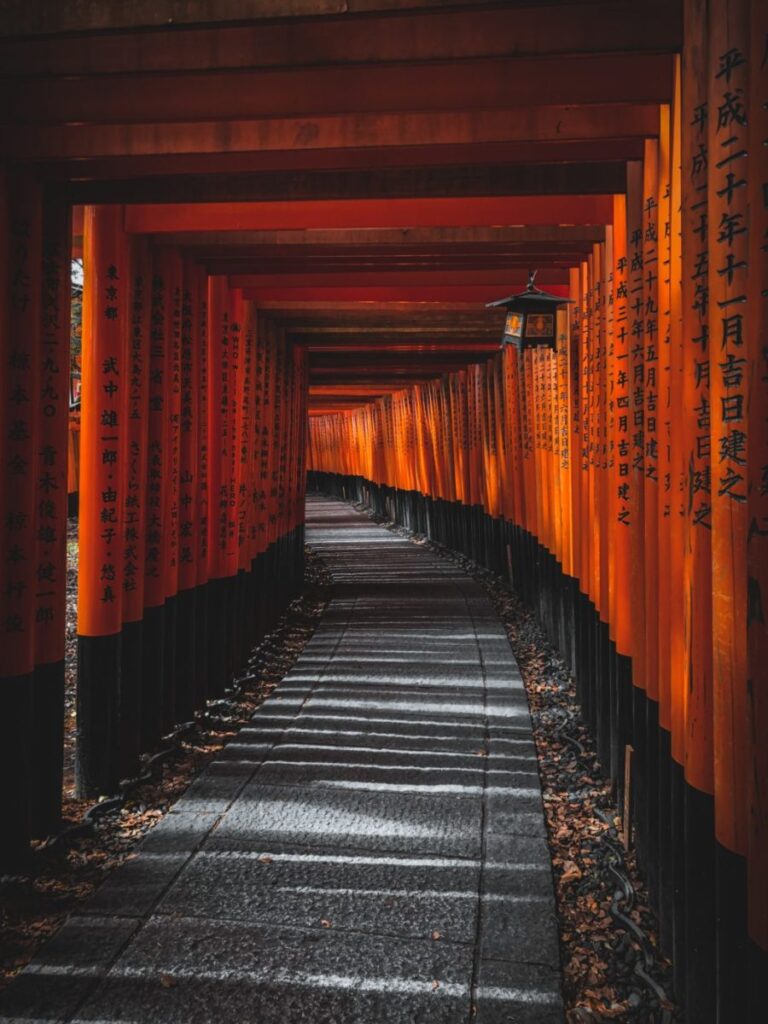
10 Days in Japan: Tokyo and Kyoto
If you prefer a slower pace and want to truly feel Japan rather than rush through it, this itinerary is for you. It focuses on Tokyo and Kyoto, two cities that couldn’t be more different yet somehow complete each other. You can always add day trips or side experiences, but even without them, this 10-day plan gives you a balanced and memorable first experience of Japan.
Days 1–3: Tokyo
Arrival and first impressions
After landing in Tokyo, head to your hotel and take it easy. Depending on your arrival time, you can either rest or take a short walk around your neighborhood — even a quick stop at a local konbini (convenience store) will feel like a small adventure.
Day 2: Classic Tokyo sights
- Asakusa – Start at Sensō-ji, Tokyo’s most iconic temple. The walk along Nakamise-dori is full of little shops selling sweets and crafts that make perfect souvenirs.
- Shibuya – Cross the famous Shibuya Crossing, then pay a quick visit to Hachikō, the loyal dog whose story locals still cherish.
- Shinjuku – Spend the evening exploring Golden Gai, a network of tiny bars and eateries that feel frozen in time. Try yakitori or ramen while chatting with locals and travelers alike.
Day 3: Hidden corners of the city
This day is for curiosity. Dive into Akihabara if you’re into gaming and anime culture, or head to Ueno Park for museums and open-air strolls. If you have time, wander through Yanaka, one of the few Tokyo districts that survived World War II and still retains an old-town charm.
Tip: Tokyo is huge, but don’t try to see it all. Choose a few neighborhoods each day, and let yourself get lost: that’s where the best moments usually happen.
Days 4–7: Kyoto
Take the Shinkansen from Tokyo to Kyoto. It’s not just transport — it’s part of the experience. Sit by the window for views of Mount Fuji, and grab a bento box from the station for the journey.
Day 4: First steps in Kyoto
Spend your first afternoon exploring Higashiyama, one of Kyoto’s oldest districts. Walk along its narrow streets, visit Kiyomizu-dera Temple, and stop in a teahouse for matcha and sweets.
Day 5: Kyoto’s icons
- Fushimi Inari Taisha – Walk through the endless red torii gates and, if you can, climb to the halfway point for quieter views.
- Arashiyama – Visit the Bamboo Grove and Tenryu-ji Temple, then stroll along the river.
- Gion – End your day in Gion, Kyoto’s geisha district. Go early evening when the light is soft and the streets begin to come alive.
Day 6: Deeper into Kyoto’s culture
Spend the day visiting Nijō Castle and the Imperial Palace, both rich with history. In the afternoon, join a cultural workshop — tea ceremony, ikebana (flower arranging), or calligraphy. These experiences help you connect with the slower rhythm of Kyoto life.
Day 7: Golden and Silver Pavilions
Start at the Golden Pavilion (Kinkaku-ji), a temple covered in gold leaf that glows against the surrounding pond. Then visit its quieter counterpart, the Silver Pavilion (Ginkaku-ji), and take a reflective walk along the Philosopher’s Path. End the day with a meal of kaiseki, Kyoto’s refined multi-course cuisine — a must-try once in your life.
Tip: Kyoto’s beauty isn’t only in its temples. Notice the details: the wooden houses, the smell of incense, the sound of sandals on stone. in the evening That’s where its magic hides.
Days 8–9: Back to Tokyo
Take the Shinkansen back to Tokyo for your final two days.
Day 8: Tokyo’s modern edge
Spend the day in Odaiba, a futuristic island filled with entertainment, design, and stunning views over Tokyo Bay. Stay until sunset when the Rainbow Bridge lights up the skyline.
Day 9: Local neighborhoods
Explore lesser-known areas like Nakano and Shimokitazawa — both packed with vintage stores, tiny cafés, and creative energy. It’s the Tokyo most tourists never see.
Day 10: Farewell Japan
Use your last few hours for a relaxed breakfast and some final shopping. Maybe pick up a Japanese knife, tea set, or a packet of your favorite snacks from 7-Eleven — small reminders of a trip that likely won’t be your last.
Itinerario 10 Giorni In Giappone: Tokyo-Osaka
10 Days in Japan: Tokyo and Osaka
If you want to dive into Japan’s urban energy — the neon of Tokyo and the street food of Osaka — this itinerary keeps things focused yet full. It’s ideal for travelers who love cities, food, and culture, and prefer to skip long transfers. You’ll still get a taste of history and local life, but with more time to slow down and explore two of Japan’s most fascinating cities in depth.
Days 1–5: Tokyo
Arrival and first impressions
After your flight, make your way to the hotel and take it easy. Depending on when you arrive, start with a walk around your neighborhood or grab a meal from a nearby izakaya. Even a simple ramen shop visit can feel like a discovery — Japan knows how to make you fall in love one bowl at a time.
Day 2: Classic Tokyo
- Asakusa – Visit Sensō-ji, the city’s oldest temple. Wander along Nakamise-dori, a colorful street of snack stalls and traditional shops. Try ningyo-yaki, small cakes filled with sweet red bean paste.
- Shibuya – Join the crowds at Shibuya Crossing, one of the world’s busiest intersections, then stop to see Hachikō, the loyal dog that has become part of Tokyo’s heart.
- Shinjuku – Spend the evening exploring Golden Gai, a web of tiny bars that capture old Tokyo’s atmosphere.
Day 3: Technology and tradition
Start the day in Akihabara, the neighborhood for electronics, manga, and gaming culture. Then visit Ueno Park, home to several museums and a calm break from the city’s energy. If you want a glimpse of Tokyo’s past, walk through Ameya-Yokocho, a post-war market street where locals buy everything from fish to souvenirs.
Day 4: Elegance and design
Begin in Ginza, Tokyo’s sophisticated shopping area lined with boutiques and art galleries. Even if you’re not shopping, it’s a great place to people-watch and enjoy Japanese minimalism in architecture and presentation. Later, head to the Imperial Palace Gardens for a walk through greenery in the center of the city.
Day 5: Art and relaxation
Spend the morning in Roppongi, where the Mori Art Museum showcases modern Japanese and international artists. Afterward, unwind in Ueno Park or visit the Nezu Museum, which blends art, gardens, and architecture beautifully.
Tip: Tokyo rewards curiosity. Step into side streets, try that tiny café you stumble upon, and don’t over-plan. The best experiences often happen by accident.
Days 6–8: Osaka
Take the Shinkansen from Tokyo to Osaka — a journey that’s quick, comfortable, and part of Japan’s travel charm.
Day 6: Arrival in Osaka
Check into your hotel and get your first feel for the city in Namba, one of Osaka’s liveliest districts. Have dinner early evening — locals eat fast, talk loud, and laugh easily. It’s contagious.
Day 7: Osaka through its flavors
Spend the day exploring Dōtonbori, famous for its bright lights and endless food stalls. Try takoyaki (octopus balls), okonomiyaki (savory pancake), or kushikatsu (deep-fried skewers). Then visit Kuromon Ichiba Market for fresh seafood and local snacks.
Day 8: Castles and aquariums
In the morning, visit Osaka Castle, surrounded by peaceful gardens. Later, head to the Kaiyukan Aquarium, one of the largest in the world. It’s perfect if you’re traveling with kids — or if you just enjoy watching jellyfish drift by in blue light.
Tip: Osaka people are known for their humor and hospitality. If someone talks to you on the street or in a restaurant, chat back — it’s part of the culture here.
Day 9: Day trips from Osaka
Depending on your interests, choose one of these day trips:
- Kyoto – Revisit the charm of temples, geisha districts, and tea houses.
- Nara – See the free-roaming deer and the impressive Great Buddha at Tōdai-ji Temple.
- Kobe – Taste the world-famous Kobe beef and explore the stylish Kitano district.
Each is within an hour of Osaka by train, so you can easily return by evening.
Day 10: Farewell Japan
Spend your final morning doing what Japan does best — slowing down. Enjoy a last breakfast (Osaka-style pancakes or Japanese curry, maybe?) and take one last walk through Dōtonbori before heading to the airport.
10 Days in Japan: Hidden Gems and Off-the-Beaten-Path Routes
If you’ve already explored Tokyo and Kyoto or want to experience Japan beyond the usual highlights, this itinerary is for you. It starts and ends in Tokyo for easy flight connections, but the journey in between takes you to mountain towns, old samurai districts, and quiet villages where tradition still shapes daily life.
Days 1–2: Tokyo
Begin your trip with a gentle introduction to Japan’s pace and culture. Spend your first day settling in, walking through a nearby neighborhood, and recovering from the flight.
On Day 2, visit Asakusa for its temples and street snacks, or explore Yanaka, one of the few districts that survived the war and still feels like old Tokyo. It’s a slower, more personal side of the city that most first-timers miss.
Tip: If you’ve been to Tokyo before, skip the main sights and spend time in Kichijōji or Shimokitazawa — both filled with independent cafés, vintage stores, and that creative local buzz.
Days 3–4: Kanazawa
Take the Hokuriku Shinkansen from Tokyo to Kanazawa (about 2.5–3 hours). The journey is comfortable and scenic, bringing you to a city known for its elegance and craftsmanship.
Walk through Kenroku-en Garden, one of Japan’s most beautiful, and the nearby Kanazawa Castle Park. In the afternoon, explore the Higashi Chaya teahouse district — if you’re lucky, you might hear shamisen music drifting from a geisha rehearsal.
On your second day, visit the 21st Century Museum of Contemporary Art and the Nagamachi Samurai District, where earthen walls and wooden gates hint at Kanazawa’s feudal past.
Eat this: Have lunch at Omicho Market, where locals eat bowls of rice topped with fresh seafood (kaisendon).
Day 5: Shirakawa-go
From Kanazawa, take a direct bus (about 1 hour 15 minutes) to Shirakawa-go, a UNESCO-listed village surrounded by mountains. The steep thatched-roof houses (gasshō-zukuri) are as photogenic as they are unique.
If possible, stay overnight in one of them — it’s the best way to experience rural Japan after dark, when day-trippers leave and the valley grows quiet.
Days 6–7: Takayama
Travel onward to Takayama (about 50 minutes by bus). The town’s preserved Edo-period streets, sake breweries, and morning markets make it feel like stepping back in time.
- Wander Sanmachi Suji in the Old Town.
- Try Hida beef skewers or croquettes from a street stall.
- Visit a local sake brewery and sample a few varieties.
The next day, take it easy — explore at your own rhythm or rent a bike to ride along the Miyagawa River.
Tip: Time your visit for the Takayama Festival (spring or autumn) — one of Japan’s most beautiful, with ornate floats and lanterns.
Day 8: Matsumoto
Take the Limited Express train from Takayama to Matsumoto (about 2.5 hours). Visit Matsumoto Castle, a striking black-and-white fortress surrounded by cherry trees and moat reflections.
Stroll Nakamachi Street, full of traditional storehouses turned cafés and galleries. If you want to unwind, head to nearby Asama Onsen or Utsukushigahara Onsen for an afternoon soak.
Day 9: Nagano
Continue by train to Nagano (about 1 hour). Visit Zenko-ji Temple, one of Japan’s oldest Buddhist temples, and take a side trip to Jigokudani Snow Monkey Park, where macaques soak in steaming hot springs in winter.
If you prefer a calmer day, stay in town and explore Nagano’s small streets lined with noodle shops and wasabi souvenirs — the region’s specialty.
Eat this: Try soba made with local buckwheat; it’s simple, earthy, and perfectly balanced.
Day 10: Return to Tokyo
Take the Shinkansen back to Tokyo (about 1.5 hours). Spend your final evening with a good meal — maybe sushi near Tokyo Station or ramen in Ebisu — and enjoy one last walk under the city lights before heading to the airport.
When to Visit Japan
Japan changes completely with the seasons which means there’s never really a bad time to go, only a different kind of beauty waiting for you. The best moment depends on what you want most from your trip: blossoms, color, festivals, snow, or simply fewer crowds. We visited Japan every season and found the beauty every time.
Spring (March to May) — Cherry Blossoms and Gentle Weather
Spring is the season everyone dreams about. From late March to early April, cherry blossoms (sakura) turn the country pink and white. The mood is festive, with picnics under the trees, markets full of seasonal sweets, and families out enjoying the sunshine.
In Tokyo and Kyoto, expect blossoms from late March to early April; in northern regions, they bloom a few weeks later. Temperatures are mild, the air is clear, and it’s the perfect time for walking tours, gardens, and outdoor photography.
Tip: Book accommodation early — cherry blossom season is Japan’s busiest time for both locals and tourists. Our guide on cherry blossoms in Japan can be a good starting point.
Summer (June to August) — Festivals, Fireworks, and Mountains
Summer in Japan is warm, humid, and full of life. June and July bring lush greenery and occasional rain, followed by lively matsuri (festivals) across the country. You’ll see fireworks over rivers, people wearing yukata, and food stalls everywhere.
It’s also a great time for mountain escapes — head to Nagano, Hokkaido, or the Japanese Alps for cooler air and stunning hikes.
Try this: Attend a local Bon Odori dance or fireworks night — it’s loud, crowded, and so fun that it becomes unforgettable.
Autumn (September to November) — Foliage and Perfect Balance
Autumn is arguably the best time to visit Japan. The weather is comfortable, the skies are crisp, and the landscapes explode into reds, oranges, and golds.
Temples in Kyoto, parks in Tokyo, and mountain valleys like Takayama and Nikko become breathtaking. It’s also the season of harvest festivals and comfort foods like roasted sweet potatoes and matsutake mushrooms.
Tip: Late October to mid-November is usually peak foliage time for central Japan. Make sure you taste fried maple leaves, the momiji tempura.
Winter (December to February) — Snow, Onsen, and Quiet Beauty
Winter brings another kind of magic. Northern Japan and the Japanese Alps turn into white wonderlands, perfect for skiing or simply watching snow fall outside a steaming onsen bath.
Cities like Tokyo and Kyoto stay lively but less crowded, while Hokkaido hosts snow festivals that feel straight out of a dream.
Eat this: Try nabe (hot pot) or ramen in a cozy shop after a cold day — it’s Japan’s version of comfort food.
How Much Does a 10-Day Trip to Japan Cost?
Japan can fit many kinds of travelers. It’s not cheap, but it offers incredible value for what you get: clean cities, punctual trains, unforgettable food, and experiences that stay with you. The cost of a 10-day trip depends mostly on your travel style, timing, and how you like to experience a place.
Here’s what you can expect whether you travel light, comfortably, or in full luxury mode.
Budget Trip
If you’re flexible and travel like a local, Japan can be surprisingly affordable.
- Accommodation: Capsule hotels, hostels, and small business hotels cost around $25–$55 (€23–€50) per night.
- Food: You can eat well at konbini (convenience stores), ramen shops, and small izakaya for $15–$30 (€14–€28) a day.
- Transport: A Japan Rail Pass for 7 days costs roughly $180–$220 (€165–€200), covering most long-distance routes. Local passes or IC cards like Suica or Pasmo make short trips easy.
- Attractions: Many temples and shrines are free, while others cost just a few dollars.
Average total for 10 days: around $750–$1,050 (€700–€980)
Tip: Convenience store meals in Japan are next-level. Try the onigiri (rice balls) or fresh bento boxes: quick, cheap, and genuinely good.
Mid-Range Trip
This is the balance most travelers aim for: a mix of comfort, great food, and authentic experiences.
- Accommodation: Quality 3-star hotels or traditional ryokan inns with breakfast typically cost $80–$150 (€75–€140) per night.
- Food: Expect to spend $40–$70 (€37–€65) daily if you combine casual dining with a few special meals.
- Transport: A Japan Rail Pass (7–14 days) plus local transport cards will total around $260–$370 (€240–€340).
- Attractions: Museum entries, parks, or cultural workshops add about $10–$30 (€9–€28) a day.
Average total for 10 days: about $1,400–$2,100 (€1,300–€1,950)
Tip: Spend at least one night in a ryokan with onsen. It’s not cheap, but it’s one of those “once-in-a-lifetime” Japan moments.
Luxury Trip
For travelers seeking comfort and refined experiences, Japan’s luxury is all about detail: quiet service, and balance rather than flashiness.
- Accommodation: Boutique hotels and 5-star ryokan range from $250–$450 (€230–€420) per night and often include kaiseki dinners.
- Food: Fine dining or kaiseki (multi-course haute cuisine) starts at $80 (€75) per person and goes up depending on the restaurant.
- Transport: First-class train seats, private drivers, or domestic flights will total around $400–$600 (€370–€550).
- Attractions: Private tea ceremonies, geisha dinners, or curated experiences can add $120–$300 (€110–€280) per day.
Average total for 10 days: around $3,000–$4,500 (€2,800–€4,200)
Tip: In Japan, luxury often means subtlety: quiet service, seasonal ingredients, and attention to every tiny detail. It’s rarely flashy, but always memorable.
No matter your budget, Japan rewards good planning. Book early, travel light, and combine free cultural sights with unique experiences. Whether you’re staying in a capsule hotel or a ryokan with mountain views, what you’ll remember most is not what you spent but how Japan made you feel.
How to Move Around Japan
Getting around Japan is part of the adventure. The country’s transport system is fast, clean, and efficient — once you understand how it works, you’ll move between cities with no stress. It’s no exaggeration to say that for us the journey itself is now a big part of the experience.
Long-Distance Travel
- Japan Rail Pass (JR Pass): Ideal if you’re visiting multiple cities like Tokyo, Kyoto, Osaka, or Hiroshima. The 7-day pass costs around $335 (€310)and gives you unlimited rides on most Shinkansen and JR trains. For 10-day trips, combine a 7-day pass with a couple of local tickets.
- Individual Tickets: If your trip focuses on one or two regions, it can be cheaper to buy separate tickets at stations or via online apps like Trip.
- Shinkansen (Bullet Train): Fast, punctual, and surprisingly quiet. You can reserve seats at ticket machines or JR counters: it’s worth it during peak seasons.
Tip: Sit on the right-hand side when traveling from Tokyo to Kyoto for a perfect view of Mount Fuji on clear days.
Local Transport
- IC Cards (Suica, Pasmo, ICOCA): Tap-in cards that work on most buses, subways, and even convenience stores. Recharge at machines or with your phone.
- Day Passes: Great for exploring single cities — Tokyo Metro, Kyoto Bus, and Osaka Subway offer affordable one-day options.
- Takuhaibin (Luggage Forwarding): This door-to-door service lets you send bags between hotels or airports so you can travel light. It costs about ¥2,500–¥3,000 ($17–$20 / €15–€18) per bag depending on distance.
Important: We have never used Takuhaibin because we travel light but many people recommended this as a solution if you’re a heavy packer and you move around with a lot of luggages. JR introduced a new luggage regulation: any baggage whose combined dimensions (height + width + length) totals between 161 cm and 250 cm must reserve special “oversized-luggage” seats on certain Shinkansen lines. Baggage exceeding 250 cm in total is no longer permitted on those routes. JR is gradually introducing oversized luggage compartments on select trains, allowing travelers to store large bags without needing a seat reservation — a welcome improvement for anyone traveling with big suitcases. Always measure your luggage before departure. The total dimension is calculated by adding height + width + length. If your bag is oversized, you can easily make a luggage seat reservation when booking your Shinkansen ticket.
What to Eat in Japan (and a Few Simple Rules)
Japanese food is reason enough to visit — it’s not just delicious, it’s deeply tied to culture and seasonality. Even a humble bowl of noodles is prepared with care.
Everyday Food You’ll Love
- Ramen: Found everywhere, from 24-hour counters to Michelin-star shops. Order from the vending machine, hand your ticket to the chef, and slurp away — it’s polite!
- Onigiri: Rice balls filled with salmon, tuna, or pickled plum. Grab them at convenience stores for breakfast or snacks on the go.
- Okonomiyaki: Savory pancake layered with cabbage, pork, or seafood — best tried in Osaka or Hiroshima.
- Sushi: Conveyor-belt sushi (kaitenzushi) is fun and affordable, while traditional omakase restaurants offer a refined experience.
- Kaiseki: Multi-course dining that changes with the season. Elegant, quiet, unforgettable.
Tip: Don’t skip Japan’s bakeries: they’re incredible. Try melon pan (sweet bread) or curry buns for breakfast.
Dining Etiquette
Japan’s dining rules are simple
- Don’t tip — gratitude is already included in the service.
- Don’t walk and eat on the street (unless it’s a festival).
- Finish what’s on your plate; leaving food is considered wasteful.
- On trains, eat quietly or in designated areas.
- When paying, place your money on the small tray rather than handing it directly.
Cultural tip: Say “itadakimasu” before eating and “gochisousama deshita” after. It’s a small gesture that locals appreciate deeply.
Let Japan Surprise You
Every time we return to Japan, we find something new not because the country changes, but because we do. Ten days won’t cover it all, and that’s the beauty of it. Japan reveals itself slowly: through the quiet of a shrine at dawn, a steaming bowl of ramen after a long train ride, a conversation you didn’t expect to have.
Plan carefully, but leave space for detours. Follow your itinerary, then wander without one. That’s when Japan shows its true self: in the small moments between the big sights.
Whether you travel for food, culture, or pure curiosity, ten days in Japan can shift the way you see everyday life. You’ll come home with memories, flavors, and rhythms that stay long after the trip ends and the feeling that you’ll need to go back, just once more, to see what you missed.