

From trains to table manners, these are the lessons Tokyo quietly teaches travellers. They’re practical, cultural, and often invisible until you get them wrong.
Tokyo isn’t a city you understand on the first day. It’s polite, overwhelming, and quietly structured, and that’s exactly what makes it extraordinary.
After years of visiting and spending time in the city, we’ve gathered the lessons travellers actually need: the best things to do in Tokyo, how to move around, what not to do, where people quietly lose time or money, and the small cultural habits that make the city work.
Here’s everything you should know: 63 insights that go beyond “bring cash and bow politely.”
If you want to know what are the top mistakes to avoid in Tokyo, check our comprehensive guide.
Before You Go: Planning, Timing, and Preparation
Tokyo rewards travellers who plan with intention, not obsession. These decisions shape everything that follows.
1. Don’t plan every minute
One of the best things to do in Tokyo is leave room to wander. Over-planning kills discovery. The city reveals itself between destinations.
2. Visit in the right season
Spring is sakura and picnics. Autumn is chestnuts and crisp air. Summer is humid but alive with festivals. Choose a season for its rhythm, not just its photos.
3. Book early and exactly
Tokyo runs on precision. Book ahead, double-check times, and arrive when you said you would.
4. Cash is still king
Tokyo looks cashless, but it isn’t. Some of the best meals and experiences are still cash-only.
5. Download essential apps before arrival
Google Maps, Japan Travel by NAVITIME, Tokyo Metro apps, and Google Translate will save hours.
6. Buy a SIM or eSIM in advance
You’ll need data the moment you land.
7. Travel insurance isn’t optional
Healthcare is excellent but expensive. Typhoons can disrupt flights.
8. The Japan Rail Pass isn’t always worth it
If you’re staying mostly in Tokyo, Suica or Pasmo are cheaper and easier.
9. Bring a coin purse
Vending machines, shrines, and cafés use coins constantly.
10. Pack light
Tokyo hotels and trains reward minimal luggage. Use luggage delivery if needed.
Getting Around Tokyo
Moving through Tokyo is one of the city’s defining experiences.
11. The metro map looks impossible but isn’t
Follow line colors, not the whole diagram.
12. Always check station exits
A wrong exit in Shinjuku can cost 20 minutes.
13. Get a Suica, Pasmo, or Welcome Suica
They work on trains, buses, vending machines, and convenience stores.
14. Avoid rush hour
7:30–9:30 a.m. and 5–7 p.m. are intense. Wait fifteen minutes if you can.
15. Keep to the left
Escalators, stairs, walkways.
16. Trains are silent zones
Silence is collective respect.
17. Taxis are safe but expensive
Doors open automatically. Show your destination on your phone.
18. Walk without a plan
Walking neighbourhoods is one of the best things to do in Tokyo.
19. Night transport stops around midnight
Know your last train.
20. Use IC cards for vending machines and lockers
They simplify everything.
Where to Stay: Choosing the Right Area
Choosing where to stay in Tokyo is half the experience. Each neighborhood has a different rhythm — Shinjuku’s energy, Shibuya’s youth, Asakusa’s calm, Ginza’s polish. These tips will help you pick a base that fits your pace, budget, and personality (and avoid the common mistakes travelers make when booking).
21. Stay Near a Major Station
You’ll save time. Shinjuku, Shibuya, Ueno, and Tokyo Station connect to everything.
22. Pick an Area Based on Vibe, Not Ranking
Shinjuku = energy and nightlife. Shibuya = youth and trends. Asakusa = tradition. Ginza = upscale calm. Choose your rhythm, not what travel guides or social media tell you.
23. Capsule Hotels Aren’t a Gimmick
Capsule hotels aren’t novelty; they’re philosophy. Privacy without waste, silence in shared space. One night in a capsule teaches you more about Japanese design logic than a week in a five-star.
24. Airbnbs Exist — But Be Careful
Many Airbnbs in Tokyo are small, far from stations, or lack legal permits. Always read the reviews and confirm location.
25. Ryokans in Tokyo Are Small Luxuries
If you can, spend one night in a ryokan for the experience: tatami floors, yukata, and Japanese breakfast.
26. Rooms Are Smaller Than You Expect
Tokyo hotels teach spatial poetry. The bed touches the wall, the suitcase lives upright, and yet nothing feels cramped. Efficiency is an art form here, not a downgrade.
27. Check Check-In and Out Times
Early check-in is rare. Many hotels strictly start at 3 p.m. so you need to plan around it.
28. Use Luggage Delivery Services
Send your big bags to your next hotel for a few hundred yen. We never used it but we know it’s efficient and widely used by locals.
29. Book Popular Hotels Months Ahead
Tokyo’s best-located hotels (especially near Shibuya or Tokyo Station) sell out fast, even in off-season.
30. Don’t Chase “Traditional” in the Wrong Area
A modern business hotel near a good station beats an old-fashioned ryokan in the suburbs.
Eating and Drinking in Tokyo
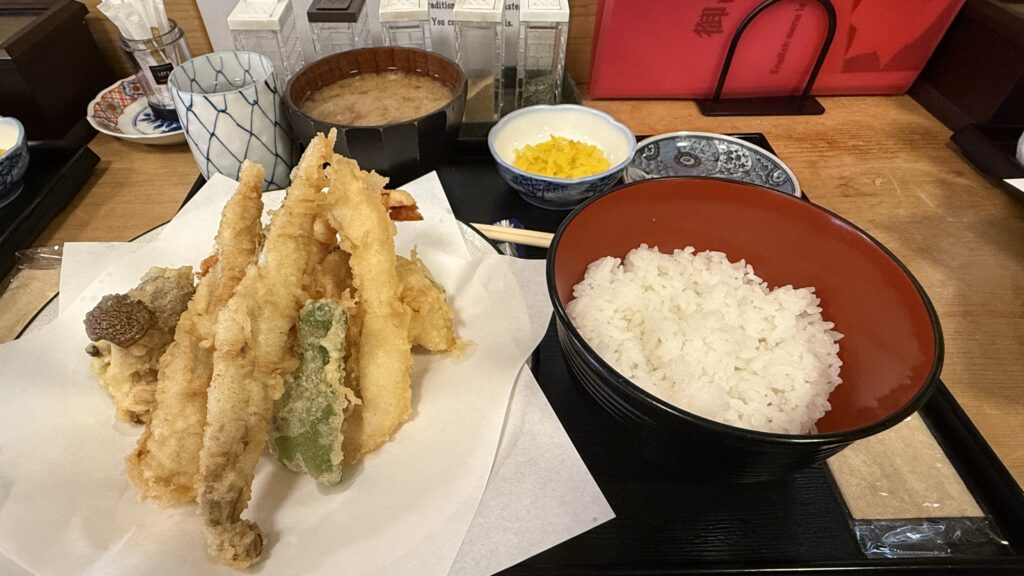
Food in Tokyo is delicious and it’s a cultural education. Every meal, from a convenience-store onigiri to a multi-course kaiseki, follows an unwritten code of respect and precision. These are the habits, tricks, and small details that turn eating here from a checklist into a genuine connection with the city.
31. You Don’t Need Fancy Restaurants
Tokyo’s best meals rarely need a reservation. Step into the shop with steam on the windows and salarymen at the counter. If they’re slurping, follow them. The Michelin stars are just confirmation.
32. No Tipping — Ever
Tipping is considered rude. Say thank you (arigatō gozaimasu) instead.
33. Wait to Be Seated
In Japan, you don’t seat yourself. Staff will guide you politely.
34. Use Cash Trays
Always place and receive money using the small tray at the counter. It’s about hygiene and respect.
35. Try Convenience Store Food
Japan’s 7-Eleven isn’t a backup plan; it’s a miniature food culture. You’ll find rice balls wrapped tighter than origami and coffee better than airport espresso. Locals buy lunch here proudly: follow them. Tokyo convenience stores change seasonal snacks monthly. One week it’s sakura mochi, the next it’s chestnut pudding. Small signals that the city celebrates time as flavor.
36. Learn Chopstick Etiquette
Never stick chopsticks upright in rice. Don’t pass food from one pair to another. Rest them on the holder when not in use.
37. Book Top Restaurants Weeks Ahead
Michelin and omakase spots require reservations. Some only take bookings through hotel concierges. Are they worth it? It depends, considering that Tokyo is famous for the quality of its food. Pick your battle: Michelin or street food?
38. Don’t Eat While Walking
In Tokyo, food deserves focus. Walking and chewing blur the ritual. Pause, eat, taste then move. That’s why the city stays spotless and unhurried, even during lunch rush.
39. Try Set Meals (Teishoku)
Lunch menus with rice, miso soup, pickles, and a main dish are cheap and balanced: the best window into daily food culture.
40. Drink Water — It’s Free and Safe
Tap water is drinkable. Restaurants serve water automatically so don’t ask for bottled unless you want it.
Culture, Etiquette, and Daily Life
Tokyo works because everyone follows invisible rules and visitors are quietly expected to do the same. This section isn’t about rigid etiquette; it’s about understanding the mindset behind it.
Once you tune in to these small behaviors, you’ll see the city’s grace everywhere in its silence, its order, and its empathy.
41. Bow Lightly, Don’t Overdo It
A small nod shows respect. Deep bows are for formal situations.
42. No Loud Voices in Public
You’ll notice Tokyo’s quiet before you notice its beauty. Conversations hover at a whisper, even in crowds. Lower your voice and the city immediately feels friendlier as if it’s welcoming you into its rhythm.
43. Respect the Queue
Line up for trains, elevators, even escalators. It’s part of the social order.
44. Keep Your Trash — Literally
Public bins are rare. Carry a small bag for wrappers and bottles.
45. Always Remove Shoes Indoors
Floors are sacred here. Removing shoes isn’t hygiene; it’s humility. You leave the outside world at the door, and the space instantly feels softer under your socks.
46. Photography Has Limits
Ask before taking photos in shops or shrines. Avoid faces without permission.
47. Smoking Is Restricted
No street smoking except in marked areas. Most bars have smoking rooms or are not smoking free: make sure you check if you don’t like smoke.
48. Temples and Shrines Are Living Places
Bowing, washing hands, and quiet behavior are forms of respect. Watch others, then follow.
49. People Won’t Correct You — So Observe
Locals rarely point out mistakes. Learn by watching, not asking.
50. Don’t Assume “No” Means “No” Rudely
A soft refusal is a polite boundary. Read tone, not just words.
Common Mistakes and Small Truths
After a few visits, you start noticing the patterns and the mistakes that make first-timers stumble. This last section gathers the hard-earned advice, small revelations, and cultural truths that you only learn by returning again and again. It’s everything we wish someone had told us before our first Tokyo trip.
51. Google Maps Isn’t Perfect Indoors
Subway exits confuse it. Use station maps: they’re more reliable.
52. ATMs Have Hours
Yes, even these days, ATMs have hours and are closed in the evening. Post Office and 7-Eleven ATMs are the most dependable for foreign cards.
53. Don’t Chase Every Sight
You can’t “see” Tokyo; you can only sample it. Pick one neighborhood a day and surrender to its details. The city rewards depth, not checklists.
54. Rain Is Frequent — Carry a Small Umbrella
Rain doesn’t slow Tokyo; it edits it. Suddenly everyone opens the same transparent umbrella, and the city glows like glass. Buy one from any convenience store; it’s the city’s unofficial uniform.
55. Bring an Extra Battery Pack
You’ll need it: photos, maps, translation apps, train times. Power outlets are scarce.
56. Use Coin Lockers
Coin lockers are available in every station. Perfect for stashing bags so you can explore hands-free.
57. Plan for Jet Lag
Tokyo mornings come early. Use your first day for light walking and outdoor exploration.
58. Vending Machines Are Everywhere
Vending machine in Tokyo sell drinks, snacks, umbrellas, even batteries and they work 24/7. Hot coffee in winter, cold tea in summer, all delivered with the same calm precision. Each one hums like a heartbeat on the corner.
59. Be on Time — Always
In Tokyo, clocks aren’t decoration. A 10 a.m. train leaves at 10 a.m. 00 seconds and that precision keeps millions synchronized. Being on time here isn’t politeness; it’s participation.
60. Say Thank You — Often
A polite arigatō changes interactions completely. Gratitude is Tokyo’s quiet language.
61. Bring a Small Gift When Meeting Locals
Omiyage, small, thoughtful gifts, are part of Japanese politeness. A souvenir from your home country says more than words ever could.
62. Pay Attention to Sound Design
Every station, crossing, and elevator has a melody. They aren’t random; they cue timing, calm commuters, and add warmth to routine. Listen; you’ll start to recognize them.
63. Crosswalk Signals Sing Different Melodies
Crosswalks in Tokyo don’t just beep, they sing. Each district has its own short tune, designed to guide the visually impaired but also to mark rhythm and place. Locals barely notice it, yet it’s one of the city’s quietest charms: everyday life turned musical.
What Tokyo Teaches You
Tokyo isn’t a city you conquer; it’s one you learn from. At first it feels impossible: too fast, too polite, too perfect. But then, slowly, it starts to make sense. You realize the order isn’t cold, it’s care. The silence isn’t distance, it’s respect. The precision isn’t rigidity, it’s generosity in motion.
Every visit changes you a little. You start to walk quieter, wait patiently, notice small details. That’s the real souvenir: learning to move through the world with the same quiet attention Tokyo shows every day.
FAQs about Visiting Tokyo
Walking neighbourhoods, eating local food, using public transport, visiting shrines, and observing everyday life are among the best things to do in Tokyo.
Most first-time visitors need at least 4–5 days to experience Tokyo without rushing, focusing on a few neighbourhoods rather than trying to see everything.
Yes. Transport signage is clear, stations are well marked in English, and translation apps make daily navigation manageable.
Tokyo can be affordable or expensive depending on choices. Food, transport, and accommodation offer options at many price levels.
Yes. Tokyo is one of the safest large cities in the world, including at night, with very low violent crime.
Avoid tipping, loud behaviour in public spaces, eating while walking, and ignoring queues. Observing others is the best guide.