

Planning your first trip to Tokyo feels a lot like Tokyo itself: fast, loud, and impossible to contain.
Every guide has a list of 100 “must-sees” Every district looks essential. Every ad tells you it’s the only authentic way to see the city. Every video tells you something different, and by the time you start mapping it all, you realise you’d need four months.
We’ve been several times and we keep going to Tokyo, and the first time we made the same mistakes: rushing, cramming, trying to see it all. What we’ve learned is simple: Tokyo rewards focus, not frenzy.
You don’t need every sight to understand it. You need the right mix of moments, the ones that reveal how the city actually lives, breathes, and never quite sleeps.
This is your complete guide to the essential moments, showing you what to see, how to plan, and how to slow down long enough for Tokyo’s chaos to finally make sense. If you are visiting Tokyo for the first time, bookmark this guide.
How to Plan Your Days in Tokyo
This is your essential guide to navigating the city’s unique pace and structure, making sure you get the most out of your visit without burning out.
- The One-Area-Per-Day Rule: Tokyo is not a highlight reel. Choose one major neighborhood core (e.g., Shinjuku, Asakusa, Shibuya) each day and explore it deeply. Pair it with one adjacent area only, e.g. pair Asakusa with Ueno, or Shibuya with Harajuku and Meiji Shrine. Transferring across Tokyo can take 45-60 minutes, which is why sticking to one area maximizes sightseeing time
- Start Early: Tokyo mornings are quiet and beautiful. Get an early start to visit major landmarks like Senso-ji Temple or Shibuya Crossing before the midday rush.
- Build in Downtime: You need planned breaks to survive Tokyo’s extreme pace. Think of kissaten (old-style cafés) and museums not as tourist activities, but as essential rest stops where you can recharge.
- Mind the Dinner Window (The 9 PM Cliff): Don’t wait until you are hungry to look for dinner. Many authentic shitamachi (traditional) restaurants and small izakaya shut down completely by 8:00 or 9:00 p.m. Plan your meal before 7:30 p.m. to avoid being stuck with chain options. Do not fear of eating alone: it’s normal and socially accepted.
- Know Your Last Train: Late-night bars (like Golden Gai) open late, but the trains stop precisely around midnight (00:00–00:30). Always check your last ride; taxis are safe and clean, but extremely costly after midnight.
- Bring Cash for the Best Food: While major department stores and hotels accept cards, the best, most authentic neighborhood spots (like small ramen counters, certain izakaya, and the charming kissaten) are often cash-only. Keep yen on hand to ensure you don’t miss out on genuine local dining.
- Your Essential Wallet Item: Suica or Pasmo: Tokyo’s subway system is massive, but travel is instant with a reloadable IC card (Suica or Pasmo). Buy one immediately upon arrival or add it to your Wallet if you use an iPhone. It works on all trains, subways, buses, and can even be used for purchases at convenience stores and some vending machines.
- Split Your Stay: If your trip is longer than five days, we recommend splitting your accommodation. Start with a central, hyper-efficient location like Shinjuku or Shibuya to tackle the major, far-flung landmarks. Then, shift your base to a calmer, more historic area like Asakusa or Ueno for your final few nights. This contrast will be the single best way to synthesize everything you’ve learned and truly appreciate Tokyo’s two distinct speeds.
Visiting Tokyo for the first time: The main Neighborhoods
Tokyo isn’t one city; it’s a collection of neighbourhoods stitched together by trains and timing.
Each has its own pace and personality. You don’t “do Tokyo” — you navigate it.
Each neighborhood runs on its own rhythm, and the mistake most first-timers make is trying to experience all of them at once.
Tip: The best experiences (e.g., Ueno Park) are crowded during cherry blossom season (late March/early April) and that summers are extremely hot and humid.
This is your esselntial list of major and unmissable neighboorhoods to visit if you’re in Tokyo for the first time: you don’t need to visit them all if you don’t have time. Pick the ones you feel are closer to you and plan accordingly. Save time for other places for your next visit.
Shinjuku: Neon Dreams and Cozy Alleys
Shinjuku means Tokyo’s energy and vertical ambition. It’s a place of lights and contrasts.
- The Best View in Town (For Free): Head to the Tokyo Metropolitan Government Building. Its observation decks offer 360-degree panoramic views over the entire metropolis. Time your visit for late afternoon to watch the city transform into a glittering sea of neon as the sun sets.
- A Taste of Old Tokyo: Dive into the tiny, atmospheric alleyways of Omoide Yokocho (“Memory Lane”) or Golden Gai. These dense warrens of miniature bars and izakayas (Japanese pubs) are relics of post-war Tokyo, offering a cozy, smoky, and genuinely convivial drinking experience far removed from the surrounding skyscrapers.
- Finding Inner Peace: Seek tranquility at the sprawling Shinjuku Gyoen National Garden. This park features three distinct landscape styles—Japanese, French, and English—offering a stunning, peaceful escape in the heart of the bustling ward.
Shibuya & Harajuku: Pop Culture & Sacred Silence
These areas, easily combined in a day, present the spectrum of Japanese culture, from its trend-setting youth to its ancient soul.
- The World’s Rhythmic Chaos: Experience the Shibuya Scramble Crossing, the busiest intersection on the planet. The best way to appreciate the orchestrated chaos is from above; the Shibuya Sky observation deck offers a spectacular aerial view of the synchronized flow of people.
- The Soul of Japan: Find profound peace at Meiji Jingu Shrine. Just steps from the chaos of Harajuku, you walk through massive torii gates into a vast, silent forest. The shrine is dedicated to Emperor Meiji and Empress Shoken, offering a powerful, spiritual counterpoint to the city’s noise.
- Kawaii Culture: Explore Takeshita Street in Harajuku, the epicentre of teen fashion and Kawaii (cute) culture. Grab a famous Japanese crepe loaded with toppings and watch the latest trends unfold in real-time.
Asakusa: History and Traditional Charm
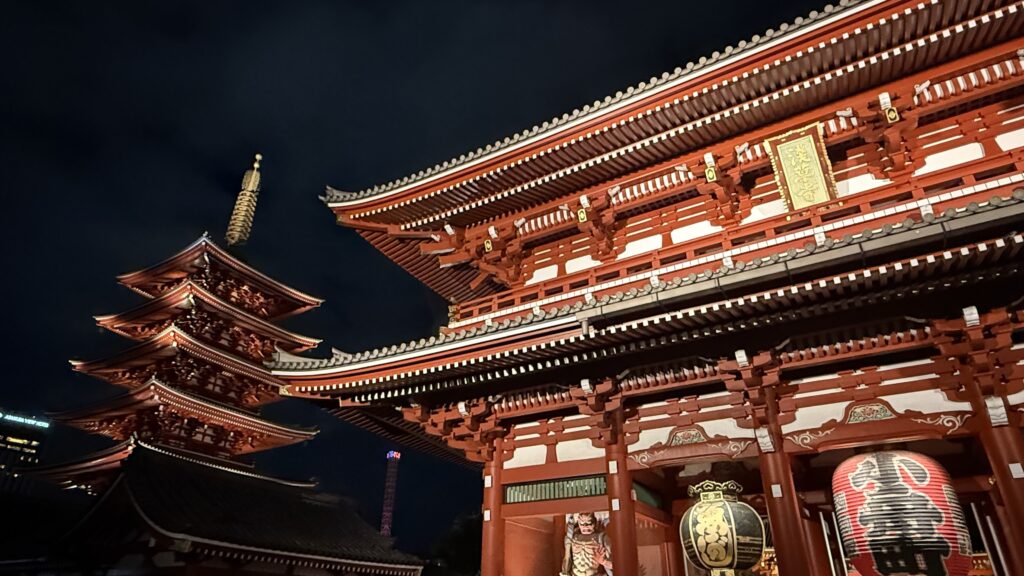
Step back in time to the Tokyo of the Edo period, where traditional life and deep-seated culture remain strong.
- The Main Spiritual Event: Visit the magnificent Senso-ji Temple, Tokyo’s oldest and most important Buddhist site. The sheer scale and colour of the buildings, combined with the heavy scent of incense, make for a deeply atmospheric experience.
- The Grand Entrance: Pass through the colossal Kaminarimon Gate (Thunder Gate), instantly recognizable by its gigantic red lantern. Follow the bustling souvenir street, Nakamise-dori, leading up to the main hall, making for excellent people-watching.
- The Modern Contrast: The futuristic Tokyo Skytree looms nearby. It’s a striking juxtaposition against the temple’s traditional architecture, and a fun way to wrap up the day with a high-altitude view.
Read our Asakusa guide for more insights and advice.
Ueno & Yanaka: Culture, Art, and Old-Town Charm
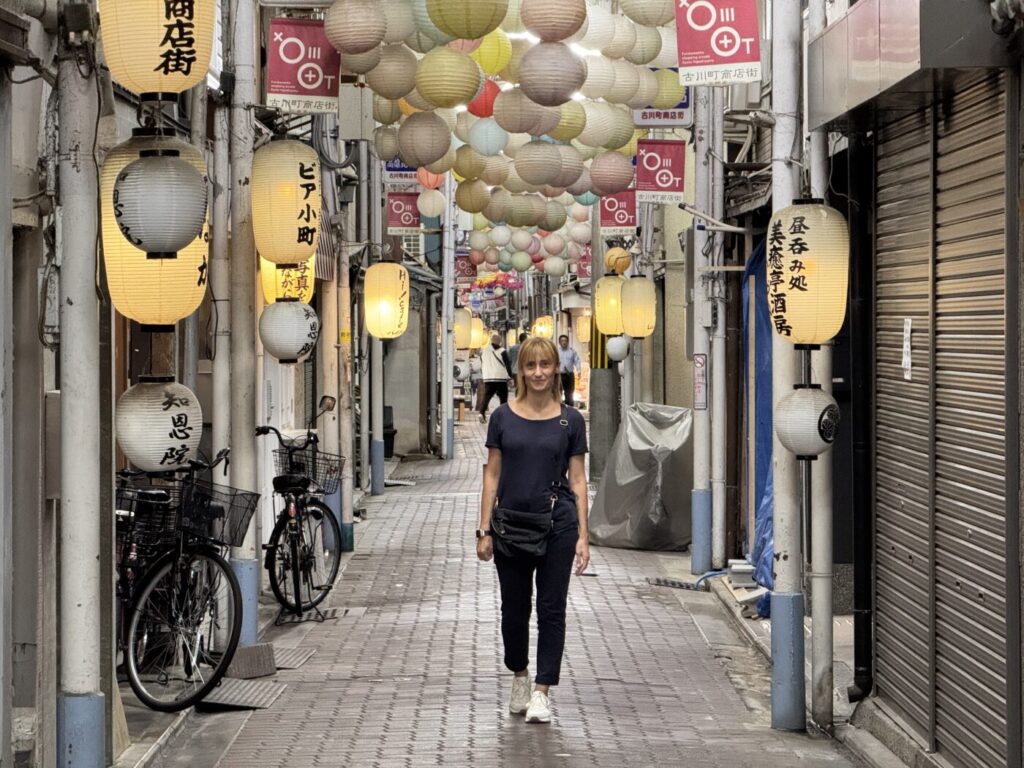
Venture north to Ueno for a fusion of world-class culture and shitamachi (old-town) atmosphere, providing a quieter, more local slice of Tokyo life.
- Art & History Hub: Spend hours at Ueno Park, a sprawling green space that houses the Tokyo National Museum (Japan’s largest museum), the Tokyo Metropolitan Art Museum, and the National Museum of Nature and Science. It’s a cultural oasis and a beautiful spot for cherry blossoms in spring.
- The Old Town Vibe: Explore the charming, preserved lanes of Yanaka Ginza, a historic shopping street that feels wonderfully frozen in time. Unlike the neon chaos, this area offers a quiet, relaxed pace, featuring traditional sweet shops, quaint craft stores, and local food stalls. Look for the ancient temples and quiet graveyards nestled in this area.
Akihabara & Ginza: Tech Culture and Luxury
These neighboring areas showcase two distinct facets of Japan’s economic and cultural power.
- Electric Town and Otaku Culture: Immerse yourself in Akihabara, the worldwide centre for video games, anime, manga, and electronics. It’s a sensory overload of sound and light.
- Gamer Challenge: Spend an hour or two in a multi-story arcade (like Taito Station or SEGA). Trying a UFO catcher (crane game) or a rhythm game is a genuine slice of Japanese gaming culture.
- The Height of Luxury: Wander through Ginza, Tokyo’s most famous upscale shopping district. Stroll past designer flagships, explore world-class art galleries, and appreciate the impeccable architecture. Even if you’re not buying, it’s beautiful window-shopping.
Unique Activities & Cultural Experience for First-Timers in Tokyo
These are the unforgettable Tokyo experiences that require planning but deliver immense insight.
- Digital Art: Visit a teamLab museum (check for Planets in Toyosu or the newer Borderless). These spaces offer an unparalleled, interactive digital art landscape where you become part of the exhibit. Pro Tip: Book your tickets well in advance, as they sell out quickly regardless of the price.
- Ancient Theatre: Catch a traditional performance at the Kabuki-za Theatre in Ginza. You can often buy single-act tickets, which is an affordable and time-efficient way to sample this centuries-old, highly stylized form of Japanese theatre.
- Imperial History: Take a reflective walk through the grounds of the Imperial Palace East Garden. This area is the former site of Edo Castle and allows you to walk through history right in the city’s core.
- Animal Interaction: Experience the unique Japanese trend of Pet Cafes (Cat, Owl, Hedgehog, etc.). Research options in Harajuku or Shinjuku for a fun, if quirky, cultural interaction.
The Tokyo Food Scene: Essential Experiences
Don’t just eat; engage in the food rituals that make Tokyo the culinary capital of the world.
| Experience | Where to Find It | Why It’s Essential |
| The Ramen Ritual | Look for any small shop with a ticket vending machine at the door (Ichiran is popular for first-timers). | It’s more than a meal. From choosing your broth texture and spice level via a vending machine to slurping in a private booth, it’s a necessary culinary rite of passage. |
| Tsukiji Street Food Feast | Located near Ginza, easy to access via the Tsukiji Station. | While the inner wholesale market has moved, the Outer Market remains a vibrant hub for fresh seafood street food, delicious omelets (tamagoyaki), and quality Japanese kitchen goods. |
| Izakaya: Convivial Dining | Golden Gai or Omoide Yokocho in Shinjuku, or local spots in Shibuya. | The true post-work wind-down. Enjoying small sharing plates (yakitori, deep-fried items, salads) with a beer or sake is the ultimate way to feel like a local in the evening. |
| Depachika Exploration | Look for major department stores (like Isetan or Takashimaya) in Shinjuku or Ginza. | These elaborate gourmet food halls, located in department store basements, are a feast for the eyes and the stomach, offering stunning displays of prepared food and delicacies perfect for a high-quality picnic dinner. |
Go Get Lost in Tokyo
Tokyo rewards curiosity, not endurance. You want to go to Tokyo to see the future, but you’ll leave having glimpsed the past. You came to find the neon chaos, but you’ll discover a quiet, deliberate rhythm underneath it all. Tokyo is too immense to conquer in a single trip, and that is its greatest gift. Forget the checklist. Ignore the pressure. Focus on the feeling of that perfect bite of ramen, the silence in a temple at dawn, or the warmth of a tiny izakaya in the rain. Embrace the pace of a single neighborhood, let the trains take you where they will, and know that every moment you slow down is a moment you allow this city to finally make sense.
You don’t need to see it all. You just need to see the right things. That’s what your first trip should capture. The rest can wait for the next one — and there will be a next one.