

Tokyo does not have one single best food district. The best neighborhood depends on what you want to eat.
For traditional Tokyo food, start with Asakusa. For casual local eating and markets, head to Ueno. Shinjuku is one of the best areas for ramen, yakitori and late-night izakaya, while Ginza is the place for sushi, tempura and refined Japanese dining. Shibuya is better for trend-driven restaurants, and Tsukiji and Toyosu remain the obvious choices if seafood is your priority.
Each Tokyo neighborhood has its own food culture, shaped by the people who live, work and go out there. This guide compares the best food neighborhoods in Tokyo, what each area does best and what you should eat when you get there.
Best Food Neighborhoods in Tokyo at a Glance
| Neighborhood | Best for | What to eat | Food experience |
|---|---|---|---|
| Asakusa | Traditional Tokyo food | Tempura, unagi, soba, ningyoyaki, melonpan | Historic shops and old-Tokyo food |
| Ueno | Casual local food | Tonkatsu, curry rice, yakitori, takoyaki | Affordable, everyday Tokyo |
| Shinjuku | Late-night eating | Ramen, yakitori, izakaya food | Busy, energetic and convenient |
| Shibuya | Trend-driven dining | Sushi, modern izakaya, wagyu burgers, depachika food | Fast-changing and contemporary |
| Ginza | Sushi and fine dining | Sushi, tempura, kaiseki | Refined and traditional |
| Ebisu & Daikanyama | Relaxed dinners | Robata, kaisendon, bakeries, wine-bar food | Slower and more polished |
| Akihabara | Casual and quirky food | Curry, ramen, themed cafés | Playful and experience-led |
| Tsukiji & Toyosu | Seafood | Sushi, donburi, grilled seafood, tamago | Market-focused |
| Roppongi | International and late-night dining | Teppanyaki, Korean BBQ, ramen | Global and lively |
What Is the Best Food District in Tokyo?
There is no single best food district in Tokyo because different neighborhoods specialize in very different kinds of eating.
If we had to choose by experience, Asakusa is best for traditional Tokyo food, Shinjuku for late-night eating and variety, Ginza for sushi and refined Japanese cuisine, and Tsukiji or Toyosu for seafood.
For travellers who simply want the broadest range of restaurants within walking distance, Shinjuku is one of the easiest choices.
But if food is part of how you want to understand Tokyo, exploring several neighborhoods gives you a much better picture of the city than staying in one dining district.
Asakusa — Best for Traditional Tokyo Food
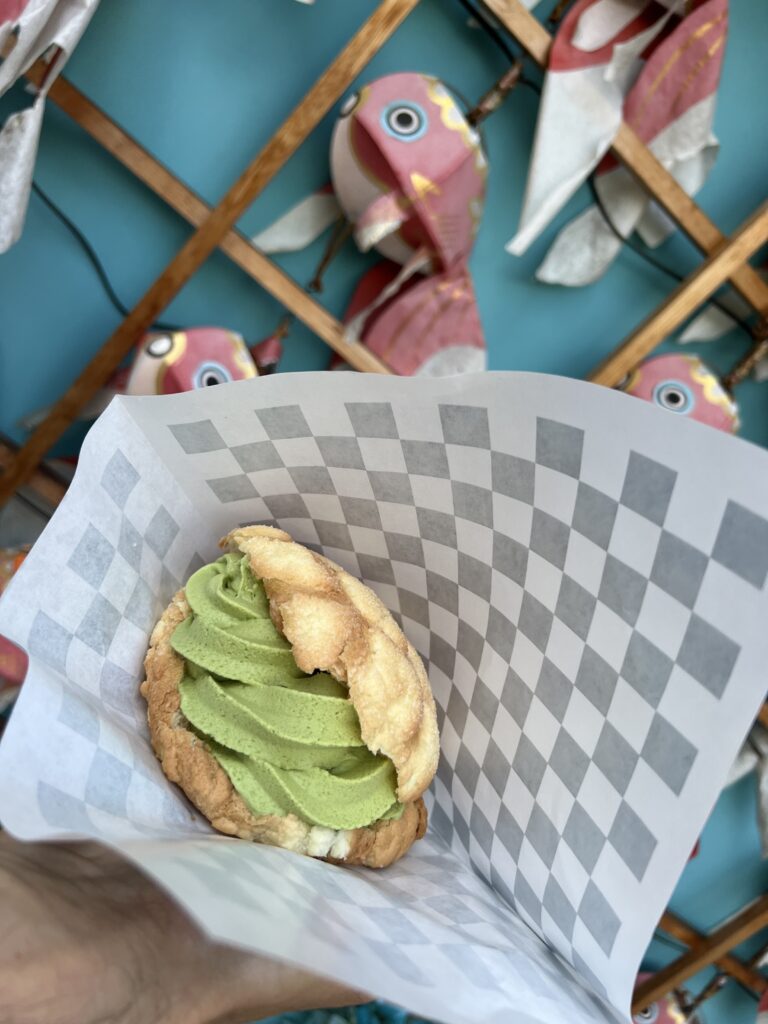
Asakusa is one of the best food neighborhoods in Tokyo if you want traditional dishes, long-standing restaurants and food closely connected to the city’s old downtown culture.
Around Sensō-ji Temple, food is part of the experience. You will find historic tempura restaurants, soba shops, unagi specialists and traditional sweets that have been associated with the area for generations.
Try tempura at one of the old family-run restaurants that have been frying seafood and vegetables for decades, then follow it with unagi for a comforting old-Tokyo lunch.
On the streets around the temple, look for ningyoyaki, small sponge cakes filled with red bean paste, as well as taiyaki, agemanjū and melonpan.
If you only have time for one simple experience, find a traditional soba shop, sit at the counter and order a bowl among local diners. Asakusa Kagetsudō is also well known for its large, crisp melonpan.
Asakusa works particularly well if you want food to feel connected to the history and everyday rhythm of the neighborhood rather than to Tokyo’s latest trends.
Ueno — Best for Casual Local Food
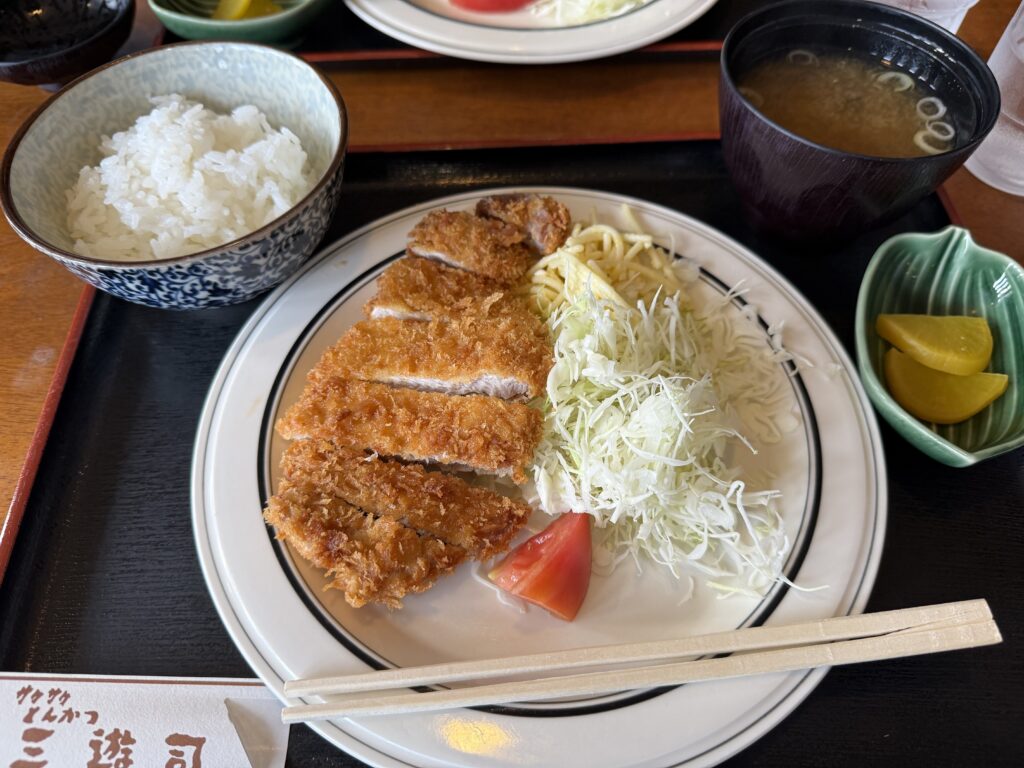
Ueno is a strong choice if you want affordable, casual food and a more everyday side of Tokyo.
Around Ameyoko Market and the streets beneath the railway tracks, you will find yakitori stalls, curry shops, casual izakaya and quick meals aimed as much at commuters and local workers as visitors.
This is a good area for tonkatsu, Japanese curry, takoyaki and grilled skewers without the ceremony or prices of more polished dining districts.
Ueno is busy and noisy in the best possible way. It is a place to eat quickly, try several things and move on.
If you want Tokyo food without making every meal an event, this is one of the easiest neighborhoods to explore.
Shinjuku — Best for Late-Night Food and Izakaya
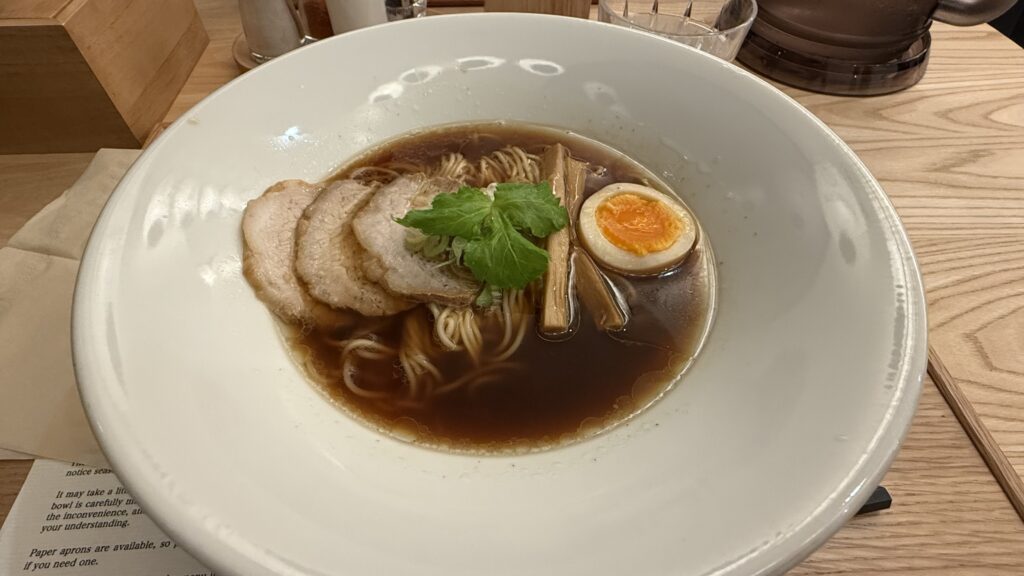
Shinjuku is one of Tokyo’s best food neighborhoods if you want variety, ramen, izakaya and somewhere you can continue eating long after other parts of the city start to quiet down.
Food and nightlife overlap here.
Around Omoide Yokocho, smoke from yakitori grills drifts through narrow alleys lined with tiny bars and counters. Elsewhere around the station, you will find an enormous range of ramen shops, izakaya, department-store restaurants and late-night places.
Try ramen at places such as Nagi or Ichiran, or order yakitori and a beer at one of the small counters close to the station.
Golden Gai is better known for drinking than eating, so do not go there specifically for dinner. But if you are already exploring its tiny bars, simple Japanese snacks can accompany the experience.
Shinjuku is not subtle, but that is part of its appeal. If you want choice, energy and the ability to eat late, it is one of the easiest areas in Tokyo.
Shibuya — Best for Trendy Restaurants
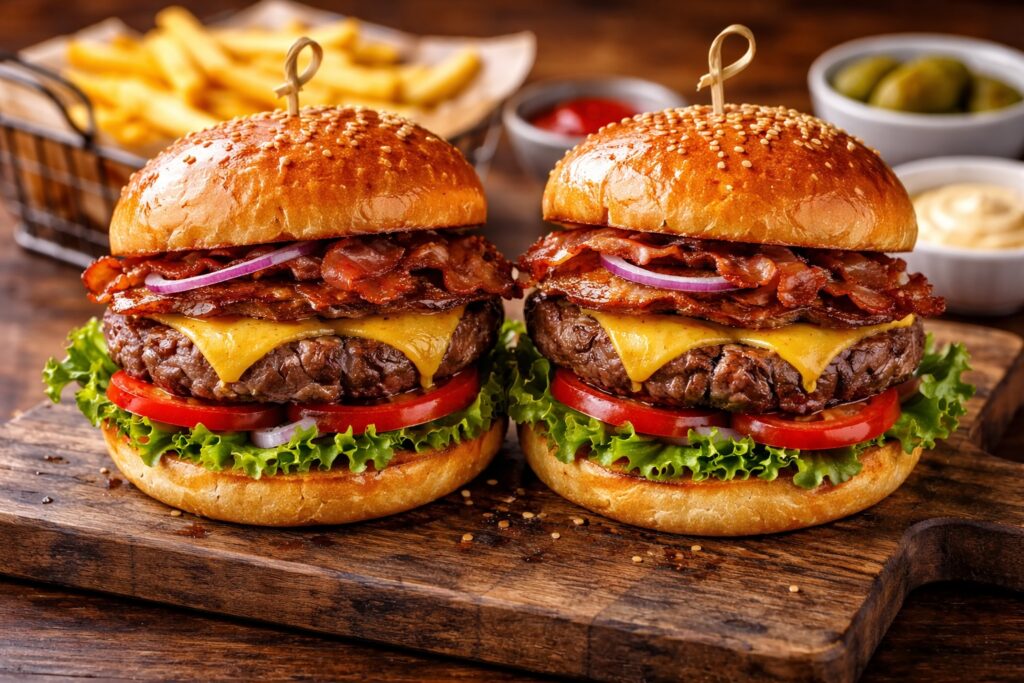
Shibuya is the neighborhood to choose if you want to see where Tokyo’s food trends are heading.
The food scene changes quickly, and the appeal is variety rather than one particular local specialty. You can move from conveyor-belt sushi to wagyu burgers, modern izakaya and polished cafés within a few streets.
Department-store depachika are also worth exploring. These basement food halls sell beautifully prepared bento, sweets, seasonal products and ready-to-eat dishes, making them useful for both quick meals and food shopping.
Shibuya works especially well if you enjoy discovering new concepts and contemporary versions of Japanese food.
It is less about preserving old traditions than constantly reshaping them.
Ginza — Best for Sushi and Fine Dining
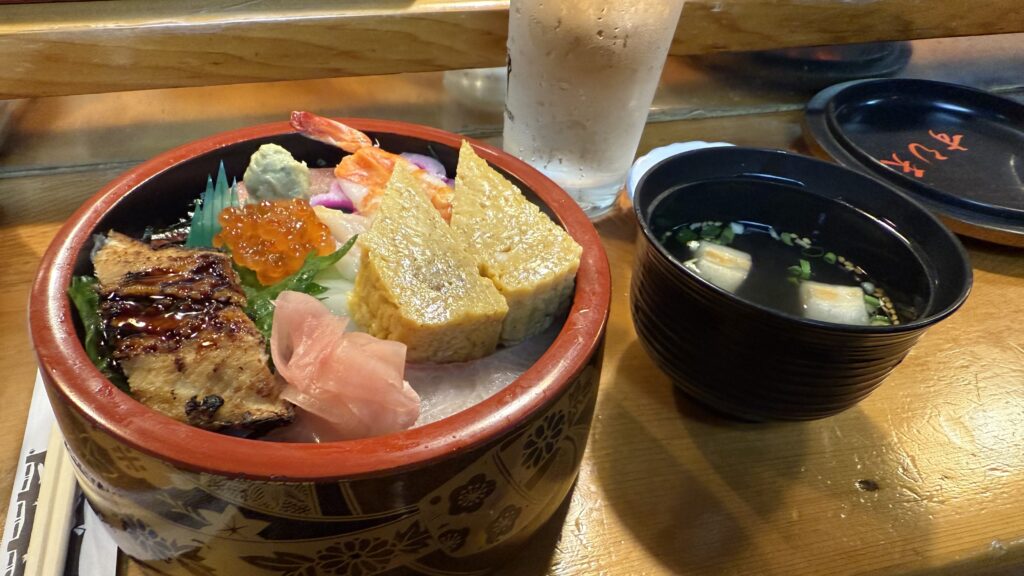
Ginza is one of Tokyo’s strongest neighborhoods for refined Japanese dining.
This is where you find sushi counters, tempura specialists and kaiseki restaurants built around precision, seasonality and technique.
The area has a reputation for expensive dining, but lunch can be a more accessible way to experience some of its higher-end restaurants, with certain places offering set menus that cost considerably less than dinner.
For sushi, Ginza has everything from approachable mid-range restaurants to some of Tokyo’s most serious omakase counters.
Tempura is another strong reason to eat here, particularly if you want to experience the more formal side of Japanese cooking.
Ginza is best for travellers who care about craftsmanship and are happy to spend more time and money on a meal.
Ebisu & Daikanyama — Best for Relaxed Dinners
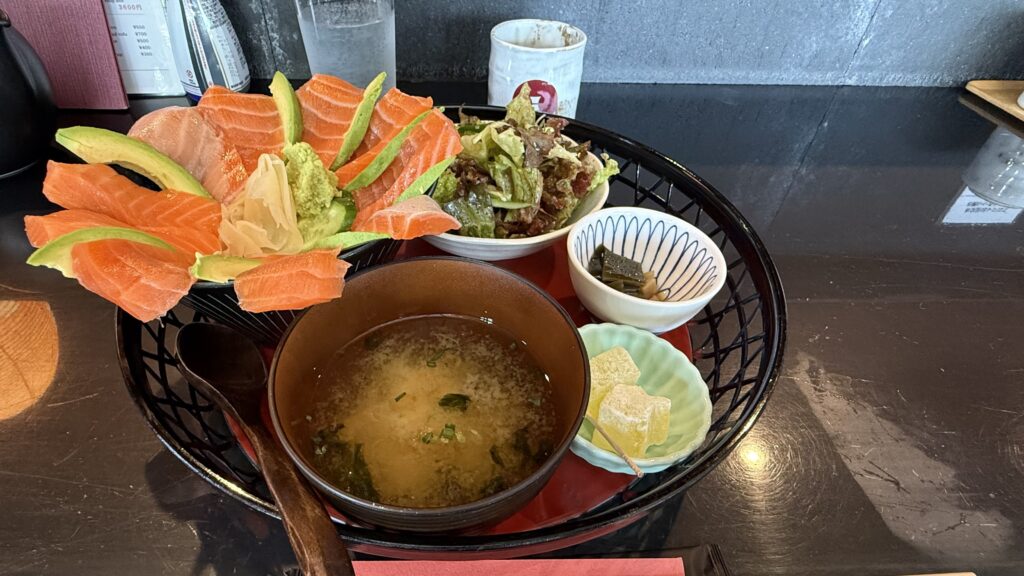
Ebisu and Daikanyama are good choices if you want a calmer evening without leaving central Tokyo.
Ebisu mixes traditional Japanese dining with more contemporary restaurants. You will find robata-yaki, kaisendon, izakaya and polished but relaxed dinner spots.
Daikanyama feels more international, with bakeries, bistros, cafés and wine bars woven into quieter residential streets.
These areas suit travellers who prefer lingering over dinner rather than moving quickly between busy restaurants.
They are also useful if you want a more local evening atmosphere without the intensity of Shibuya or Shinjuku.
Akihabara — Best for Curry, Ramen and Quirky Dining

Akihabara’s food scene reflects the neighborhood itself: casual, playful and closely tied to pop culture.
Japanese curry and ramen are some of the easiest things to find, especially around the station and between electronics and gaming stores.
The area is also known for themed cafés, particularly maid cafés.
You do not need to love the concept to find it interesting. Trying one once can give you a better understanding of how food, entertainment and pop culture overlap in modern Tokyo.
Akihabara is not the place to go for fine dining, but it is a fun neighborhood for quick comfort food and experiences you are unlikely to find elsewhere.
Tsukiji & Toyosu — Best for Seafood
Tsukiji and Toyosu are the obvious choices if seafood is the main reason you are eating your way around Tokyo.
The original wholesale fish market moved from Tsukiji to Toyosu, but Tsukiji Outer Market remains one of the city’s best-known areas for casual seafood eating.
You will find grilled scallops, tamago, sushi, seafood skewers and small snacks sold from shops and counters throughout the market streets.
Toyosu is different.
It is cleaner, more modern and closely connected to the functioning wholesale market. Restaurants inside and around the complex serve sushi, sashimi and donburi using extremely fresh seafood.
Choose Tsukiji if you want informal market eating and street-level atmosphere. Choose Toyosu if you are more interested in the wholesale seafood world and sitting down for sushi or donburi.
Whichever you choose, go early. Seafood markets operate on a morning schedule, and the atmosphere is very different later in the day..
Roppongi — Best for International and Late-Night Dining
Roppongi is one of Tokyo’s most international food neighborhoods.
The area is closely associated with nightlife, but that also creates a broad restaurant scene that stays active late.
You can find teppanyaki, Korean barbecue, ramen, international restaurants and higher-end fusion dining within a relatively compact area.
It is a particularly useful neighborhood if you are travelling with people who want different types of food or if you want somewhere with plenty of options after drinks.
Roppongi is less distinctive for traditional Tokyo cuisine than Asakusa or Ueno, but much stronger for international variety.
Which Tokyo Food Neighborhood Should You Choose?
The best Tokyo neighborhood for food depends on the experience you want.
Choose Asakusa for traditional Tokyo food, historic shops and classic dishes such as tempura, soba and unagi.
Choose Ueno if you want affordable, casual meals and a more everyday local atmosphere.
Choose Shinjuku for the widest variety, ramen, yakitori, izakaya and plenty of options late at night.
Choose Shibuya if you prefer modern restaurants, food trends and constantly changing new openings.
Choose Ginza for sushi, tempura and more refined Japanese dining.
Choose Ebisu or Daikanyama if you want a quieter evening with polished restaurants, cafés and wine bars.
Choose Akihabara for curry, ramen and food experiences linked to Tokyo’s pop culture.
Choose Tsukiji or Toyosu if seafood is the main reason you’re eating your way around Tokyo.
Choose Roppongi if you want international restaurants and somewhere you can still eat late at night.
If it is your first trip and food is a major priority, do not choose only one.
Tokyo’s food culture makes much more sense when you eat across several neighborhoods. The differences between a bowl of soba in Asakusa, yakitori under the tracks in Shinjuku and sushi in Ginza tell you as much about the city as many of its major attractions.
Planning your first trip to Tokyo? Start with our Tokyo for first-timers guide or read our Eating in Tokyo guide for more detailed restaurant and food recommendations.