

Vietnam is a country that grabs your attention from the moment you arrive — not because it tries to impress, but because everything feels alive. The smell of street food, the sound of scooters, the mix of old temples and new cafés — it all happens at once.
This 10-day Vietnam itinerary gives you a taste of the country from north to south: historic cities, quiet villages, limestone bays, and endless bowls of noodles. It’s made for travelers who want to see the highlights without rushing, combining culture, food, and landscapes in one trip.
You’ll walk the streets of Hanoi, sail through Ha Long Bay, trace royal history in Hue, and watch daily life unfold along the Mekong Delta. From the chaos of the cities to the stillness of the countryside, Vietnam always finds a way to surprise you.
Before You Go
Vietnam isn’t huge on the map, but it’s full of depth. Ten days is enough to see a lot, but not everything — and that’s part of its charm.
We spent three weeks traveling through the country and used that experience to build this guide. What follows is a highlight itinerary you can adapt to your pace and interests. If you prefer to dig deeper, focus on one region — the north or the south — and explore it fully.
This way, you’ll have time to eat, talk to people, and see how daily life really unfolds. After all, that’s where Vietnam’s magic lives — not just in its landmarks, but in its rhythm.
Day 1-2: Hanoi
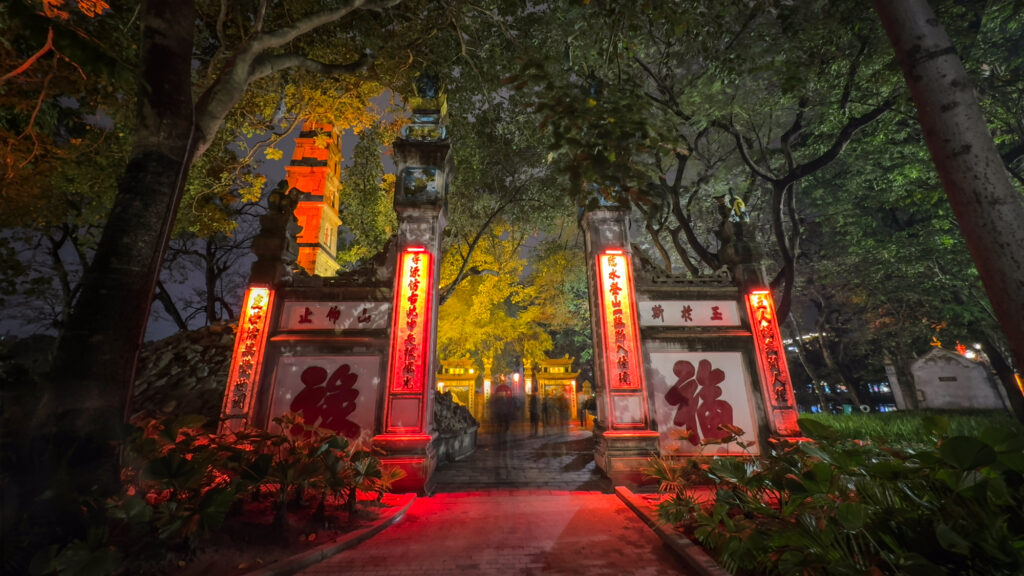
Your journey starts in Hanoi, Vietnam’s capital and cultural center. The city is fast, noisy, and endlessly interesting. Spend the first day walking through the Old Quarter, where narrow streets are packed with shops, cafés, and street vendors. Each street has its own trade, from silk to silver. Stop for a bowl of Pho or a cup of strong Vietnamese coffee, and watch daily life unfold around you while you enjoying the best Vietnamese food and local food.
Visit the Ho Chi Minh Mausoleum to understand more about modern Vietnam, then continue to the Temple of Literature, an 11th-century university that remains one of Hanoi’s most peaceful spots. In the evening, see a water-puppet show, an art form born in the rice fields of the north.
On your second day, explore beyond the city. A cycling tour through the outskirts of Hanoi is one of the best ways to see local life up close. Ride past rice fields, stop in small villages, and talk to farmers or artisans. If you prefer a day trip, head to Ninh Binh, sometimes called Ha Long Bay on land. Take a small boat through the caves and limestone cliffs of Tam Coc or visit the ancient capital of Hoa Lu.
Whichever route you choose, finish your day with a street-side dinner and a local beer. Hanoi’s energy is best felt in moments like these, sitting among locals, sharing a meal, and realizing that every corner of the city tells a story.
Day 3-4: Ha Long Bay and Hue
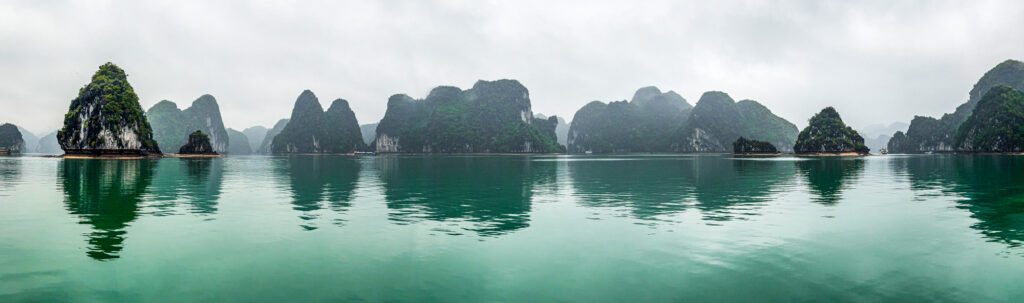
Leave the noise of Hanoi behind and make your way to Ha Long Bay, one of Vietnam’s most famous natural sites. The bay is filled with thousands of limestone islands rising from green water, and the best way to experience it is by taking an overnight cruise.
Onboard, time moves slowly. You can kayak, visit small caves, or join a short cooking class. Many cruises start early with Tai Chi on deck as the sun rises over the cliffs. The views are breathtaking, but the area can get crowded, especially near Ha Long City.
If you want something calmer, consider sailing from Lan Ha Bay, just south of Ha Long. The scenery is just as beautiful but much quieter. You’ll glide through still waters, pass small floating villages, and see local fishermen working from their boats. It feels more personal and peaceful, and you can still enjoy the same dramatic landscapes without the noise of the crowds.
After returning to shore, travel south to Hue, Vietnam’s former imperial capital. Hue holds the memory of Vietnam’s royal past, with wide rivers, quiet streets, and ancient walls. Visit the Imperial City, once home to emperors and mandarins, and walk through its courtyards and gates. Stop at the Thien Mu Pagoda, one of the oldest temples in the country, sitting above the Perfume River.
Hue’s food is a highlight of central Vietnam. Try Bun Bo Hue, a spicy beef noodle soup, or small dishes like Banh Beo, steamed rice cakes with shrimp and crispy shallots. Dinner here often feels elegant yet simple, a reflection of the city’s royal roots.
Day 5-6: Hoi An and Ho Chi Minh City
From Hue, travel south toward Hoi An, one of Vietnam’s most visited towns. Known for its Ancient Town, a UNESCO World Heritage site, Hoi An’s charm lies in its old houses, yellow walls, and lanterns that light up the streets after sunset. Walk along the river, stop at small cafés, and visit the Japanese Covered Bridge, one of the town’s most photographed spots.
Hoi An is also famous for its tailors, who can make custom clothing in a day or two. The food here is different from anywhere else in Vietnam. Try Cao Lau, the noodle dish made with water from the local Ba Le well, or Mi Quang, turmeric noodles topped with pork, shrimp, and herbs.
Still, it’s worth knowing that Hoi An can feel crowded and overly curated, especially in the evenings. If you prefer a quieter base, stay in Da Nang. The city has long beaches, modern cafés, and easy access to Hoi An for a short evening visit. This way, you can enjoy both Hoi An’s historic charm and Da Nang’s relaxed coastal rhythm without feeling rushed.
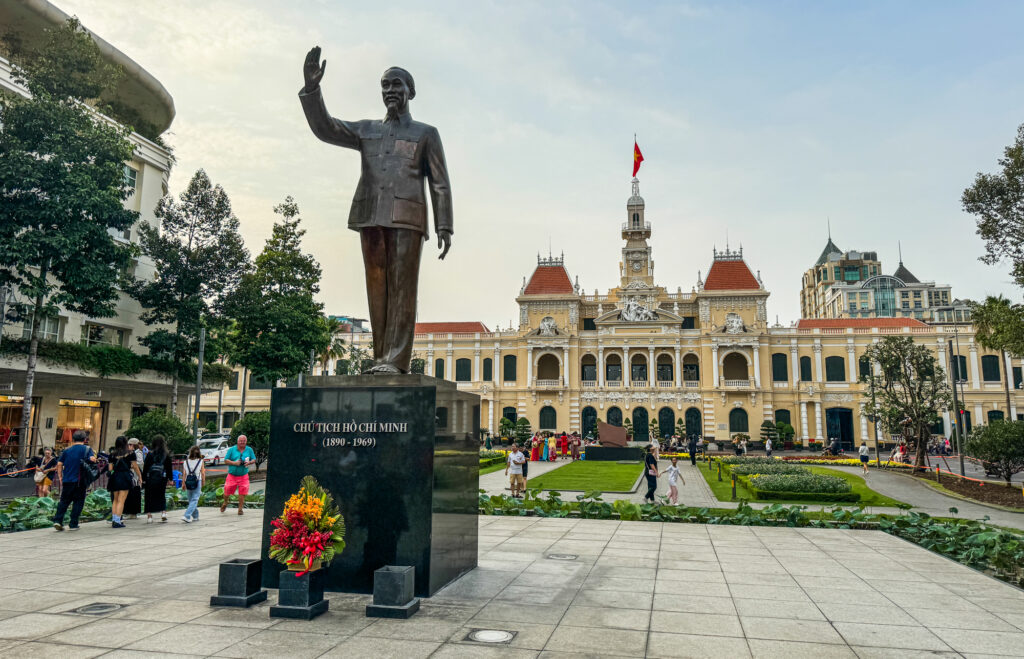
Next, fly south to Ho Chi Minh City, Vietnam’s largest and most energetic metropolis. Once known as Saigon, the city is a mix of old colonial buildings and modern high-rises. Spend your first afternoon visiting the War Remnants Museum, which offers a sobering look at the country’s recent history. Then walk to the Notre Dame Cathedral and Central Post Office, two of the city’s most beautiful French-era landmarks.
In the evening, explore Ben Thanh Market, where food stalls stay open late and the smell of grilled meat fills the air. Order a Banh Mi, taste local food and seafood, or sit down for a plate of Com Tam, broken rice with grilled pork and egg. Ho Chi Minh City is loud, fast, and full of life, but the energy is contagious.
Day 7-9: The Mekong Delta and Phu Quoc Island

Leave the city behind and head south to the Mekong Delta, a region where life follows the rhythm of the water. The river splits into countless branches here, creating a maze of canals, islands, and floating villages. Early morning is the best time to see it come alive.
Visit the Cai Rang or Cai Be floating markets, where traders sell fruit and vegetables from their boats. Watch as locals cook breakfast on deck, drink coffee, and chat across the water. It is one of Vietnam’s most authentic scenes and a glimpse of a slower, older way of life.
You can also explore small villages by bicycle, stopping for fresh coconuts or a simple meal in a family home. Dishes from this region often use local fish, rice, and tropical fruit, with sweet and sour flavors that reflect the land and the river. Try Canh Chua, a tamarind-based fish soup, or Elephant Ear Fish, fried whole and served with herbs and rice paper.
After a day or two in the delta, fly or take a ferry to Phu Quoc Island, Vietnam’s island escape. The beaches here are soft and quiet, especially on the southern coast. Sao Beach is known for its clear water and white sand, while Long Beach has cafés and small bars where you can watch the sunset.
If you enjoy nature, visit Phu Quoc National Park, which covers most of the island. It is full of hiking trails and viewpoints, and in the early morning you can hear tropical birds echoing through the forest. Phu Quoc is also famous for its fish sauce, considered some of the best in the world. A visit to a local factory shows how this key ingredient in Vietnamese cooking is still made by hand.
If your trip ends here, plan your travel back to the mainland carefully. The connection between Phu Quoc, the nearest airports, and your international flight can take more time than expected. If that feels too rushed, you can skip the island and spend your last days exploring more of the delta or relaxing near Ho Chi Minh City. Both options let you finish your trip at an easier pace without losing any of the experience.
Day 10: Departure
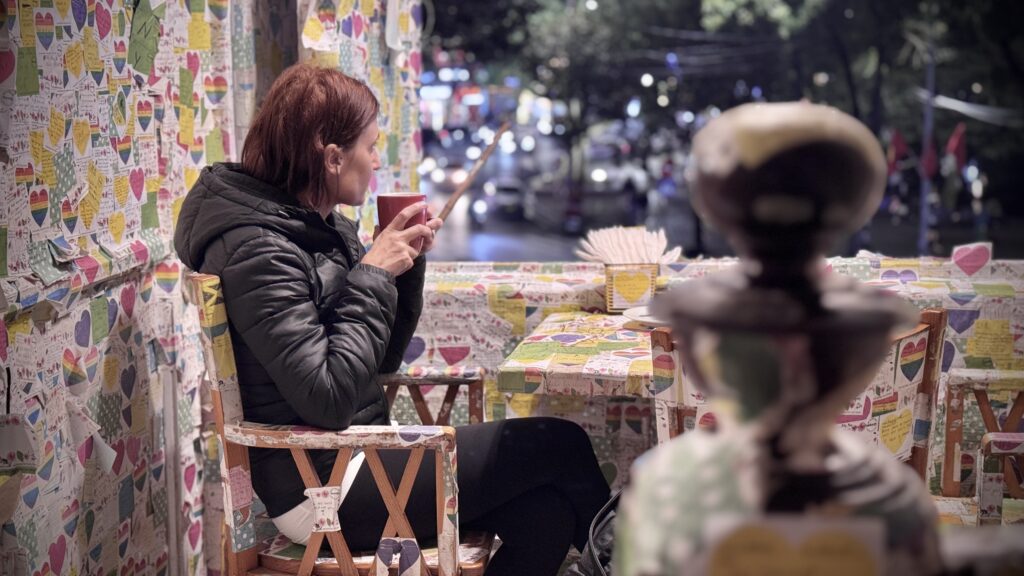
Your last morning in Vietnam is a time to pause. Have one more cup of strong Vietnamese coffee and take a slow walk before you go. Whether you spent your final days by the sea or along the river, give yourself a moment to take it all in — the colors, the sounds, and the faces that have filled your trip.
Travel days are always mixed with nostalgia, especially here. Vietnam is a country that stays with you. It moves fast, but its warmth lingers. You may leave with sand on your shoes, the taste of fish sauce still in your mouth, and the memory of a thousand small details that made the journey feel alive.
reparing for Your Trip to Vietnam
Traveling through Vietnam is easier when you pack light and smart. The climate changes from north to south, so flexibility matters.
- Clothing: Choose light, breathable fabrics for the heat, and bring one or two warmer layers if you visit the northern mountains between November and April. A lightweight rain jacket will save you during sudden tropical showers.
- Footwear: Bring shoes you can walk in all day. Add sandals or flip-flops for beaches, and hiking shoes if you plan to trek in Sapa or explore rural areas.
- Sun protection: The sun is strong year-round. Pack sunscreen, sunglasses, and a hat.
- Insect protection: Mosquitoes are common near rivers and rural areas, so a small bottle of repellent is worth carrying.
- Health and safety: A basic first-aid kit, personal medicines, and hand sanitizer are enough for most travelers. If you’re heading off the beaten path, water-purifying tablets or a reusable filter are useful.
- Electronics: Vietnam uses 220V power and mixed plug types, so a universal adapter is essential. Bring extra charging cables and a power bank for long travel days.
- Documents: Keep your passport, visa (if required), travel insurance, and bookings together and easy to reach. A digital backup on your phone or email adds peace of mind.
Before you go, check our guide on the best time to visit Vietnam to match your plans with the right season.
Cultural Etiquette and Simple Vietnamese Phrases
A few small gestures go a long way in Vietnam. People appreciate politeness and curiosity, and even learning one or two words will earn you a smile.
- Greetings: A small nod or smile is polite. Handshakes are common in cities, especially in business settings.
- Dress respectfully: When visiting temples or homes, cover your shoulders and knees and remove your shoes before entering.
- Photography: Always ask before taking photos of people, particularly in rural or ethnic communities.
- Dining: Wait until the host invites you to sit. Rest your chopsticks on the bowl or holder, never upright in rice — it’s considered bad luck.
- Bargaining: It’s expected in markets, but always stay friendly. A smile works better than stubbornness.
Here are a few words that help break the ice:
- Hello: Xin chào (sin chow)
- Thank you: Cảm ơn (gahm uhn)
- Yes: Vâng (vung)
- No: Không (khome)
- Excuse me / Sorry: Xin lỗi (sin loy)
- How much is this?: Cái này giá bao nhiêu? (kai nai zah bow nyew)
- Goodbye: Tạm biệt (tahm byet)
Even a simple “Cảm ơn” when paying for food or a coffee shows respect and usually sparks a friendly conversation.
Before You Leave Vietnam
Every trip through Vietnam feels different. You can follow an itinerary, but the best moments are often the ones you don’t plan: a conversation at a coffee stall, a meal shared with strangers, the quiet hum of a fishing village at dawn.
If we’ve learned one thing, it’s that Vietnam rewards curiosity. Come hungry, stay open, and let the country reveal itself at its own pace. You might leave, but Vietnam stays with you in its flavors, its rhythm, and the people who make it unforgettable.