

Eating in Tokyo is a delight for both the eyes and the taste buds. Some meals can be pricey, but you don’t need to spend a fortune to eat well. Paying attention to small details, like choosing local spots, trying street food, and looking where the locals eat, can turn every meal into a discovery.
This guide will walk you through what to eat, where to find it, and how to spot authentic places worth your time. It’s not about tourist menus. It’s about the dishes that matter in Japanese food culture and the spots where we’ve found the best versions. From smoky yakitori stalls to bowls of ramen that warm you from the inside out, this is how to enjoy Tokyo like a true food lover.
What to eat in Tokyo and where to find it
The table below shows what to eat in Tokyo and where to find each dish, before exploring them in more detail.
| Dish | What it is | Where to eat in Tokyo |
|---|---|---|
| Takoyaki | Octopus-filled batter balls cooked on a griddle | Gindako (various), Fukuyoshi (Ginza), Takoazabu (Omotesando) |
| Yakitori | Charcoal-grilled chicken and vegetable skewers | Local yakitori shops across the city |
| Okonomiyaki | Savory pancake with cabbage and fillings | Sometaro Okonomiyaki (Asakusa) |
| Ramen | Wheat noodles in rich meat or fish-based broth | Ramen Jiro, Ichiran, Mutekiya (Ikebukuro) |
| Udon | Thick wheat noodles served hot or cold | Shibuya, Futakotamagawa, Jiyugaoka |
| Miso soup | Dashi broth mixed with fermented miso paste | Tonkatsu Tonki (Meguro), Katsukura (Shibuya) |
| Soba | Buckwheat noodles eaten hot or cold | Narutomi Soba (Ginza), Kanda Matsuya (Asakusa), Tamawarai (Omotesando) |
| Sushi and sashimi | Raw or cooked fish served with rice or on its own | Sushi counters and restaurants across Tokyo |
| Tonkatsu | Breaded and fried pork cutlet with cabbage and rice | Tonkatsu Aoki (Hamamatsucho) |
| Unagi | Grilled freshwater eel with sweet soy glaze | Tsukiji Outer Market |
| Tempura | Lightly battered and fried seafood or vegetables | Tendon Tenya, Tempura Tsunahachi, Daikokuya |
| Kobe beef | Highly marbled beef cooked to order | Zakuro (Nihonbashi), Kobe Beef Kaiseki 511 (Akasaka), Yoroniku (Roppongi) |
| Karaage | Japanese-style fried chicken | Restaurants and food shops citywide |
| Onigiri | Rice balls wrapped in seaweed with fillings | Onigiriya Marutoyo (Tsukiji), Yadoroku (Asakusa), Risaku (Sendagi) |
| Crepes | Thin crepes filled with sweet or savory toppings | Harajuku street stalls |
| Dango | Grilled rice dumplings on skewers | Street markets across Tokyo |
| Mochi | Glutinous rice cakes, often filled with sweet paste | Gekkou (Ikebukuro) |
| Matcha desserts | Tea-based drinks and sweets | Traditional tea rooms, MATCHA patisserie Sadaharu AOKI (Harajuku) |
| Dorayaki | Pancake sandwiches with sweet red bean paste | Food stalls and markets citywide |
| Taiyaki | Fish-shaped cakes with sweet fillings | Yanaka area, Taiyaki Hiiragi (Shibuya) |
| Melonpan | Sweet bread with crunchy sugar crust | Asakusa area |
| Anmitsu | Agar jelly dessert with fruit and sweet syrup | Mihashi (Ueno), Kissako (Ueno) |
What and Where Should You Eat in Tokyo?
Finding food in Tokyo is easy. The hard part is choosing where to eat because there are thousands of options, and not all are worth it. Over the years, we’ve learned to trust three simple rules:
- Look for places filled with locals.
- Don’t judge by appearances: tiny, plain shops often serve the best food.
- Be patient if staff don’t speak English; a smile and a translation app go a long way.
What follows is a collection of must-try dishes and the best places to enjoy them. These aren’t tourist gimmicks like all-you-can-eat shabu-shabu chains or Chinese-inspired gyoza shops. This is Tokyo food at its most authentic.
Takoyaki
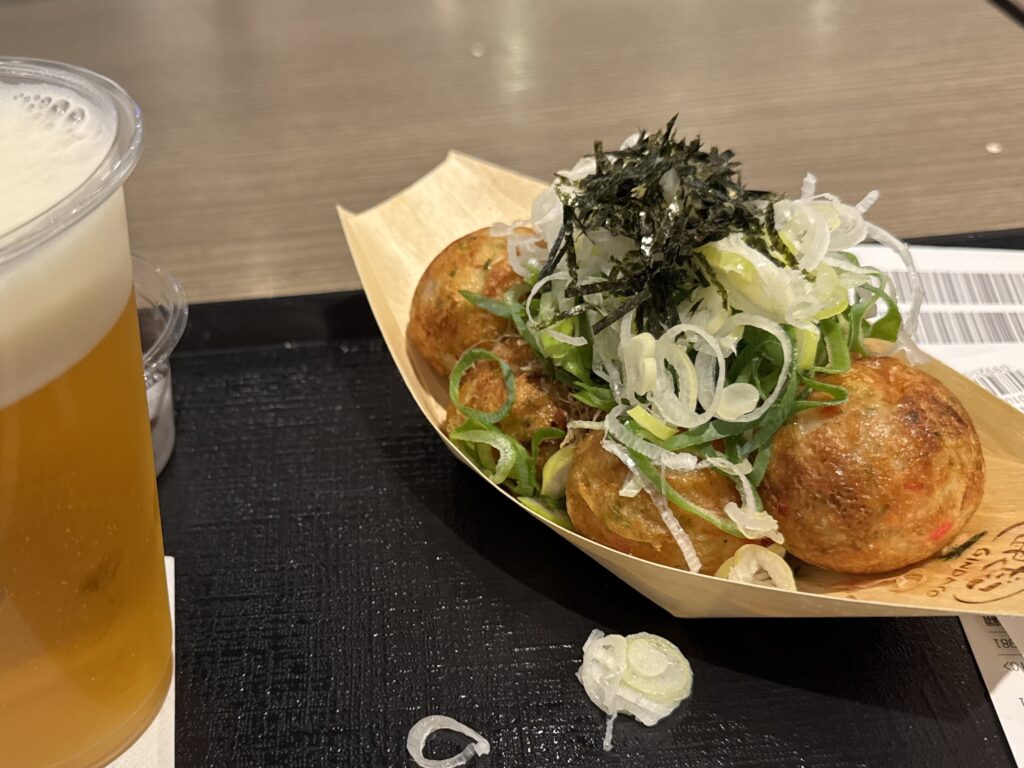
Takoyaki are small, round dough balls filled with tender octopus, cooked on a special griddle until crisp on the outside and soft inside. You’ll find them drizzled with soy sauce, mayo, bonito flakes, or special house sauces. They’re a staple of Japanese street food, and in Tokyo, they’re impossible to resist.
Where to eat takoyaki in Tokyo
- Gindako, various locations
- Fukuyoshi, Ginza
- Takoazabu, Omotesando
Yakitori

Yakitori are skewers of chicken and vegetables grilled over charcoal. They’re best enjoyed with a cold beer, either as a snack or a full meal. The fun is in the variety: each skewer has its own flavor and texture.
Popular yakitori types include:
- Momo – chicken thigh
- Negima – chicken breast with spring onion
- Tsukune – chicken meatballs
- Kawa – crispy chicken skin
- Bonjiri – fatty chicken tail
- Reba – chicken liver
- Hatsu – chicken heart
- Sunagimo – gizzard
- Nankotsu – crunchy cartilage
- Seseri – neck meat
- Mushrooms, shishito peppers, onions
Where to eat yakitori in Tokyo:
Yakitori shops are everywhere—look for ones filled with locals. Avoid Memory Lane (Piss Alley) in Shinjuku; the atmosphere is fun, but the food quality can be hit or miss.
Okonomiyaki
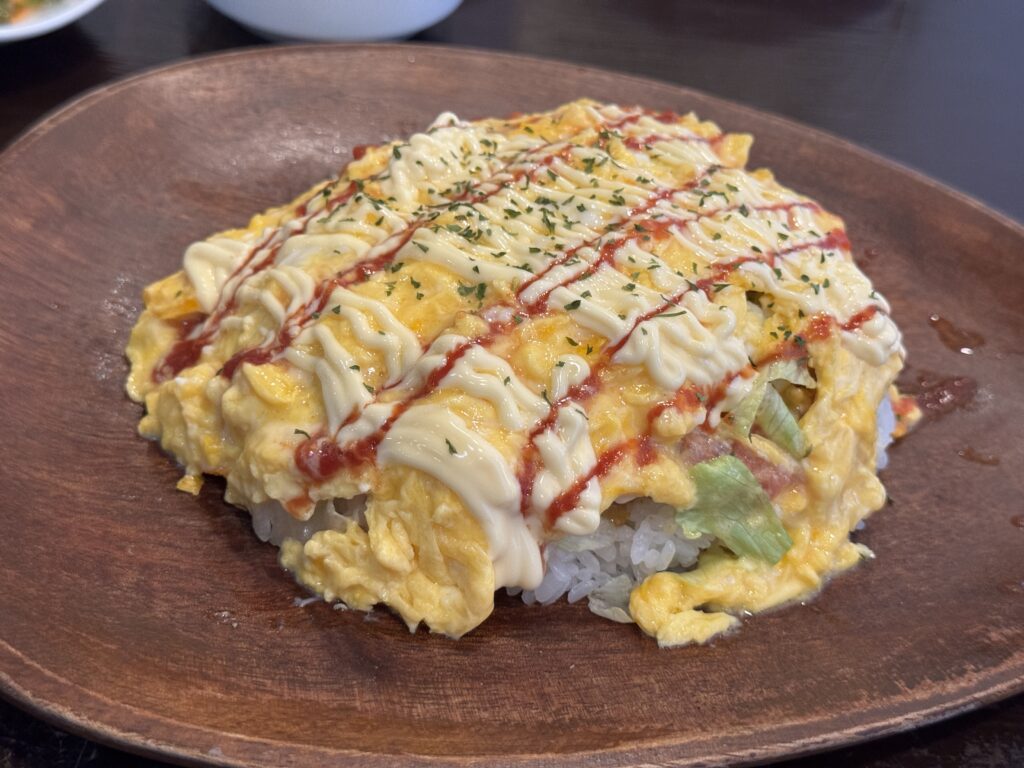
Part pancake, part omelet, okonomiyaki is a savory dish cooked on a hot griddle, usually with cabbage, pork, and a sweet-sour sauce. In Tokyo, you’ll also find regional variations:
- Negiyaki – packed with scallions
- Hiroshimayaki – ingredients layered, not mixed
- Monjayaki – runnier, almost soupy
Where to eat okonomiyaki in Tokyo:
- Sometaro Okonomiyaki (Asakusa)
Ramen
Ramen is the dish most visitors crave—and for good reason. The broth is everything: simmered for hours (sometimes days), it’s rich, complex, and addictive. Tokyo has countless ramen shops, each with its specialty.
Types of ramen you’ll encounter:
- Shoyu – soy sauce base
- Shio – light salt base
- Miso – miso paste for a deep umami flavor
- Tonkotsu – creamy pork bone broth
- Regional variations with fish or oil
Where to eat ramen in Tokyo:
- Ramen Jiro (various locations)
- Ichiran (various locations)
- Mutekiya (Ikebukuro)
Udon

Thicker and chewier than ramen, udon noodles are made without egg. They can be eaten hot in broth, cold with dipping sauce, or even grilled. Udon is comfort food at its best.
Where to eat udon in Tokyo:
The neighborhoods between Shibuya, Futakotamagawa, and Jiyugaoka are filled with udon specialists worth trying.
Miso soup

Miso soup is simple but essential: dashi broth mixed with fermented miso paste. It’s eaten at any meal—breakfast, lunch, or dinner. You’ll find it everywhere, but quality varies.
Where to eat miso soup in Tokyo:
- Tonkatsu Tonki (Meguro)
- Katsukura (Shibuya)
Soba

Made from buckwheat, soba noodles are thin, earthy, and often eaten cold with dipping sauce or hot in broth. They pair perfectly with tempura.
Where to eat soba in Tokyo:
- Narutomi Soba (Ginza)
- Kanda Matsuya (Asakusa)
- Tamawarai (Omotesando)
- Kyotei Daikokuya (Asakusa)
Sushi and sashimi


No Tokyo food guide would be complete without sushi. From standing conveyor-belt spots to Michelin-starred counters, sushi is about freshness and craft. Sashimi (raw fish without rice) shows the same mastery.
Where to eat sushi and sashimi in Tokyo:
- Everywhere
Tonkatsu
A thick pork cutlet coated in panko, fried crisp, and served with cabbage, rice, and sauce. Despite being fried, tonkatsu is light and satisfying.
Where to eat tonkatsu in Tokyo:
- Tonkatsu Aoki (Hamamatsucho)
- Or simply queue where you see locals: specialist shops are everywhere.

Unagi

Freshwater eel, grilled with a sweet soy glaze until smoky and tender. Served as sushi or over rice (unadon), unagi is a delicacy not to miss.
Where to eat unagi in Tokyo:
- Tsukiji Outer Market
Crepes

A Harajuku obsession: crepes filled with fruit, cream, chocolate, or savory fillings. Tokyo crepes are colorful, creative, and surprisingly addictive.
Where to eat crepes in Tokyo:
- Harajuku street stalls
Tempura

Seafood and vegetables dipped in a light batter and fried crisp. Good tempura is delicate, never greasy.
Where to eat tempura in Tokyo:
- Tendon Tenya
- Tempura Tsunahachi So-Honten
- Tempura Daikokuya
Kobe beef
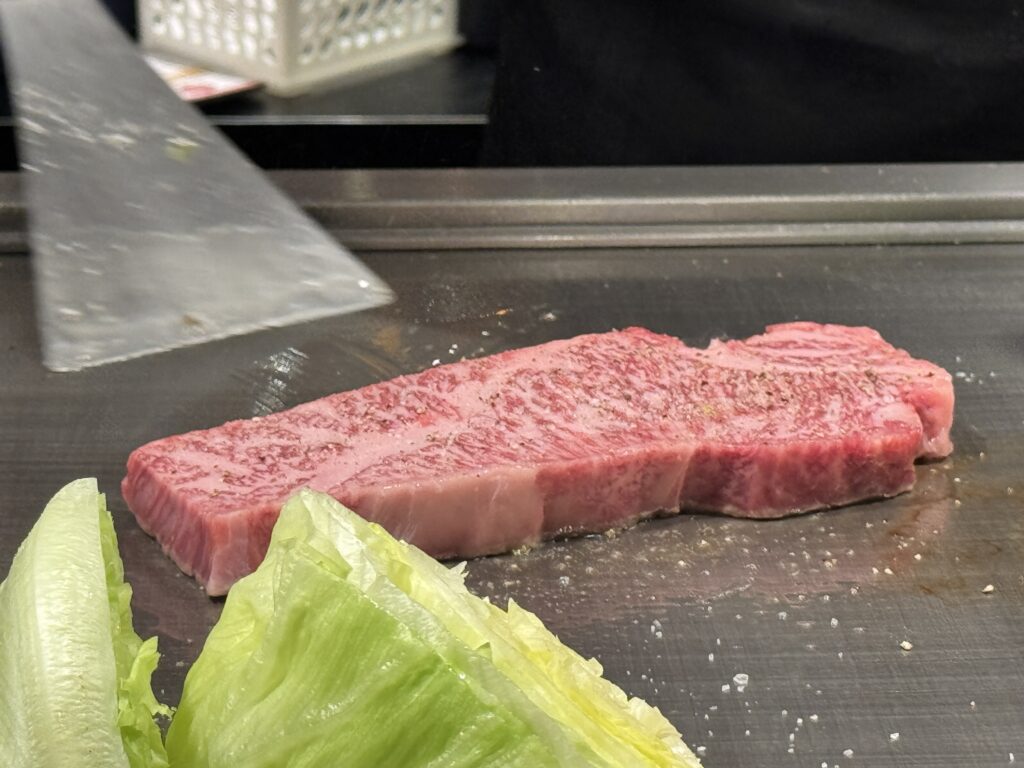
Rich, marbled, melt-in-your-mouth beef from Kobe cattle. Expensive, yes, but unforgettable.
Where to eat Kobe beef in Tokyo:
- Zakuro (Nihonbashi)
- Kobe Beef Kaiseki 511 (Akasaka)
- Yoroniku (Roppongi)
Dango

Chewy rice dumplings grilled on skewers, often glazed with soy sauce. Sweet, savory, and smoky all at once.
Where to eat dango in Tokyo:
- Street markets and stalls everywhere
Mochi

Glutinous rice pounded into chewy cakes, sometimes filled with sweet bean paste or matcha cream. Handmade mochi is stickier and more elastic than mass-produced versions.
Where to eat mochi in Tokyo:
- Gekkou (Ikebukuro) for hand-pounded mochi and tea ceremonies
Matcha

Matcha isn’t just tea: it flavors cakes, pastries, ice cream, and more. Trying it in Tokyo is essential for anyone who loves earthy, bitter-sweet flavors.
Where to drink and eat matcha in Tokyo:
- Any traditional tea room or cafè, including a nice spot in Harajuko called MATCHA patisserie Sadaharu AOKI
Dorayaki

Two small pancake-like cakes filled with sweet red bean paste. Simple, soft, and beloved as a classic Japanese snack.
Where to eat dorayaki in Tokyo:
- Food stalls and markets all over the city
Taiyaki

Fish-shaped cakes filled with red bean, custard, or chocolate. Cute, filling, and a must-try street snack.
Where to eat taiyaki in Tokyo:
- Yanaka and street stalls across Tokyo. If you happen to be in Shibuya, you cannot miss a famous shop called TAIYAKI HIIRAGI selling probably the best taiyaki with an incredible custard cream.
Melonpan
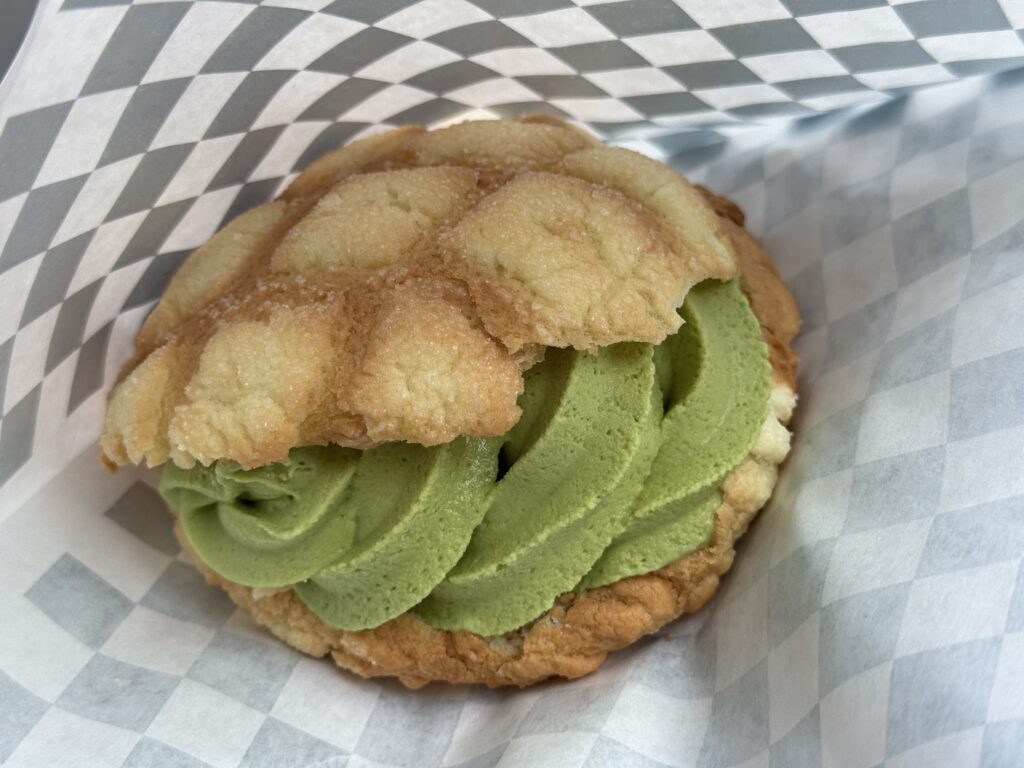
Sweet bread with a crunchy sugar crust. Sometimes plain, sometimes filled with cream or ice cream.
Where to eat melonpan in Tokyo:
- Asakusa Temple area
Anmitsu

A refreshing dessert made with agar jelly, azuki beans, fruit, and black syrup (kuromitsu). Light, sweet, and perfect for hot days.
Where to eat anmitsu in Tokyo:
- Kissako (Ueno)
- Mihashi (Ueno)
Karaage

Japanese-style fried chicken: marinated, juicy inside, crisp outside. Perfect as a snack with beer.
Where to eat karaage in Tokyo:
- Almost anywhere. It’s hard to go wrong
Onigiri

Rice balls wrapped in seaweed, filled with salmon, tuna, or pickled plum. The ultimate quick snack.
Where to eat onigiri in Tokyo:
- Onigiriya Marutoyo (Tsukiji)
- Onigiri Asakusa Yadoroku
- Risaku (Sendagi)
What Is Kaiseki and Can You Try It in Tokyo?

Kaiseki is the peak of Japanese culinary art: a multi-course meal balancing flavor, texture, and presentation. It originated in Kyoto but is also available in select Tokyo restaurants. Expect small, seasonal dishes: beautiful, thoughtful, and unforgettable.
Where to eat kaiseki in Tokyo:
- Tokuuchiyama (Ginza)
- Akasaka Eigetsu (Akasaka)
- Aoyama Gato (Harajuku/Omotesando)
- Ginza Uchiyama (Ginza)
How Can You Find the Best Local Restaurants in Tokyo?
Finding authentic spots can feel intimidating with the language barrier, but it’s easier than it seems:
- Follow the queues. Long lines of locals usually mean the food is worth it.
- Use Google Maps wisely. Look for reviews in Japanese: they’re often more reliable.
- Ask locals. Shopkeepers and taxi drivers are often the best guides, and people are usually happy to help.
With these tips, you’ll eat where Tokyoites eat and that’s where the city’s real flavors live.