

Ho Chi Minh City, or Saigon, has an incredibly diverse food scene. This mix reflects many cultures and history. If you are looking for the best food in Ho Chi Minh to try, this guide is for you.
Vietnamese cuisine is famous worldwide. Why? It uses bold flavors, fresh ingredients, and unique combinations. Ho Chi Minh City leads this food adventure. This guide explores the best food in Ho Chi Minh. We highlight the dishes that define its culture.
Important: We tried all this food ourselves so we can give you first-hand insights.
History of Ho Chi Minh’s Food
Ho Chi Minh City’s food has a rich history. Centuries of cultural interchange deeply influenced it.
The most significant influence is the French colonial era. This introduced many staples. Baguettes, pâtés, and strong coffee are now prominent. This created a unique blend of French and Vietnamese food.
French Impact on Banh Mi
The French introduced the baguette. This led to Banh Mi. The sandwich perfectly combines French and Vietnamese food. It uses a crispy baguette. Fillings are Vietnamese meats, pickled vegetables, and herbs. Banh Mi is a testament to the French legacy.
Vietnamese coffee is a direct inheritance. It has a strong, robust flavor. The slow drip brewing process comes from French times. Cafes throughout the city now enjoy this drink.
Chinese Flavors in Cholon
The city’s food also owes much to Chinese traditions. The Chinese community lives in Cholon, Ho Chi Minh City’s Chinatown. They introduced many dishes and flavors. Dim Sum, noodle soups, and mooncakes are examples.
Chinese ingredients are used often. Soy sauce and five-spice powder show deep cultural exchange.
Street Food: Ho Chi Minh’s Energy
Street food is the energy of Ho Chi Minh City. It offers a true look at local daily life and tastes. Streets are lined with vendors and stalls. Each one specializes in a dish. This food is more than just sustenance. It is a cultural heritage.
Phở: Vietnam’s Signature Soup
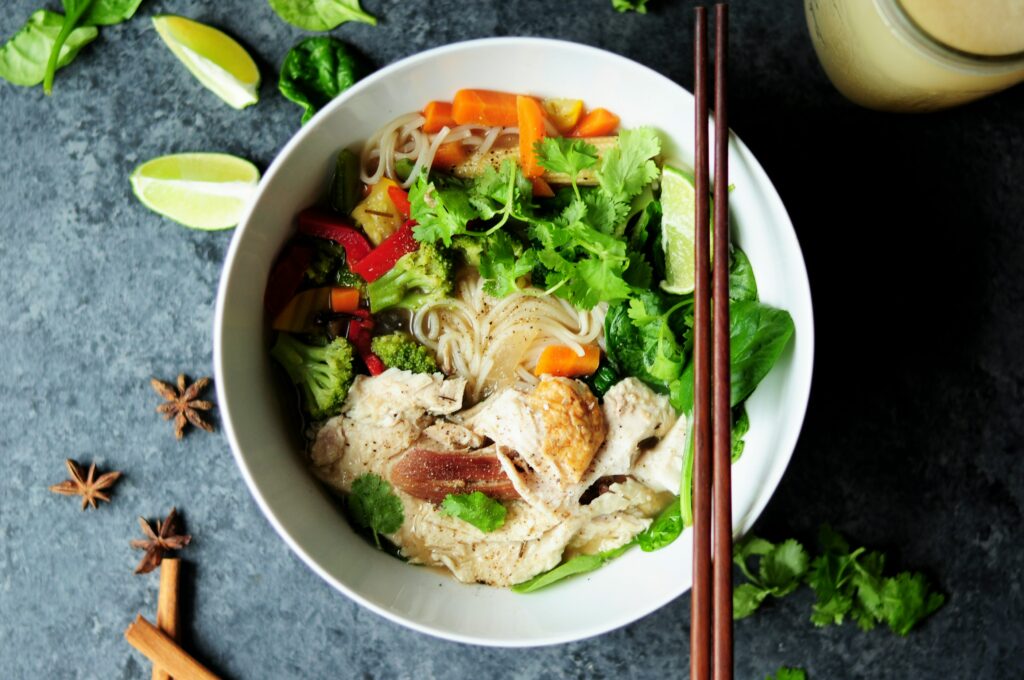
Phở is Vietnam’s most famous dish. It is a harmonious soup of broth, rice noodles, herbs, and meat. Beef or chicken is common. The clear, aromatic broth takes hours to perfect. Eating Pho comforts the body. It is a beloved choice all day long.
Bánh Mì: French-Vietnamese Fusion
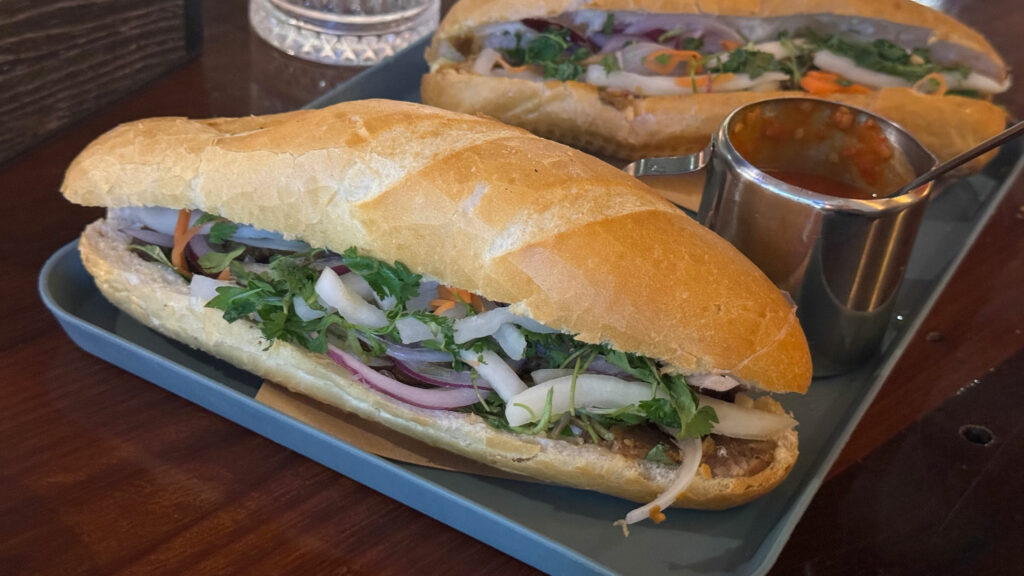
Bánh Mì is another street food marvel. It is a delightful example of fusion. The sandwich uses a crispy French baguette. Fillings include savory meats, pâté, pickled vegetables, fresh cilantro, and spicy chilies. Banh Mi stands are everywhere in Ho Chi Minh City. They show the creativity of Vietnamese street food.
Bún Thịt Nướng: Grilled Pork with Noodles

Bún Thịt Nướng shows the fresh, vibrant flavors of Vietnam. It features marinated grilled pork. The pork sits over fine vermicelli noodles. Fresh herbs and pickled vegetables top the dish. A generous drizzle of nước chấm is added. This is a tangy fish sauce-based dressing. The dish is a popular lunchtime staple.
Local Delicacies: Unique Dishes to Try in ho chi min city
Beyond Phở and Bánh Mì, the city has local delicacies. These dishes root deeply in the region’s culture.
Cơm Tấm: Broken Rice
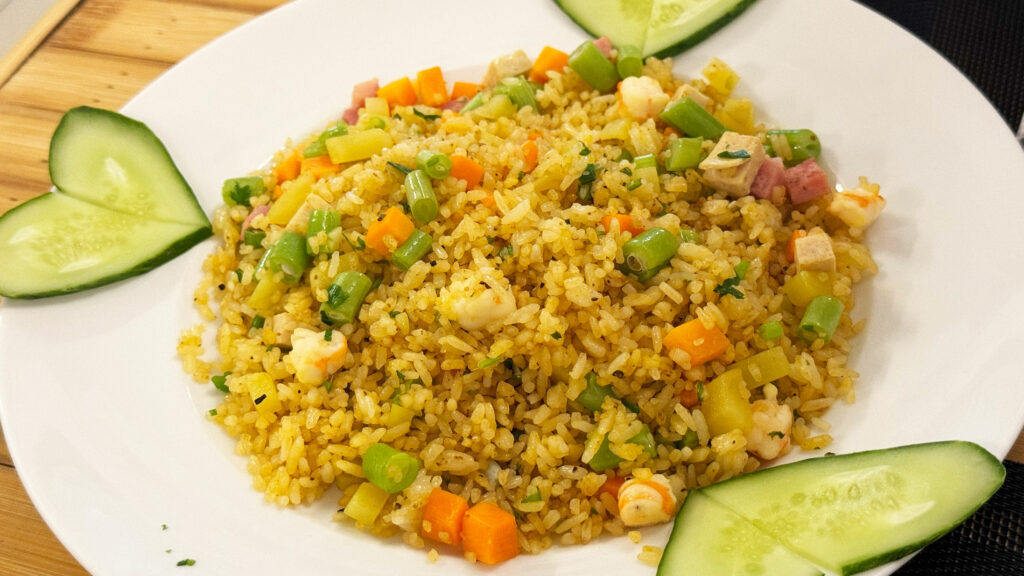
Cơm Tấm translates to ‘broken rice’. It is a signature dish of Southern Vietnam. It comes from fractured rice grains. Cơm Tấm is now a beloved staple. It symbolizes Vietnamese ingenuity. It is served with grilled pork (ribs or shredded). Accompaniments include fried eggs, pickled vegetables, and green onions. A drizzle of sweet and savory fish sauce unifies the dish.
Bánh Xèo: vietnamese Pancakes
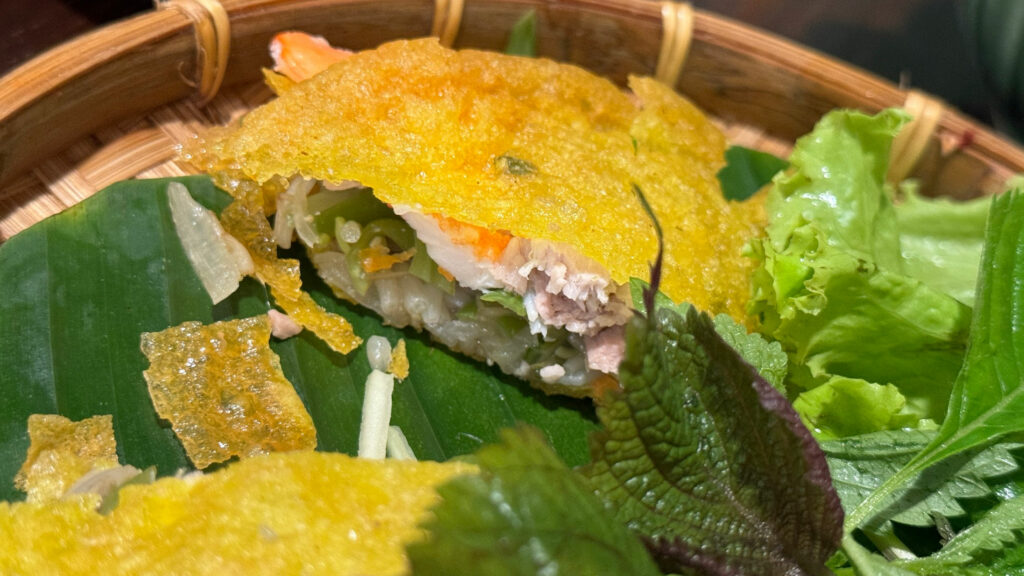
Bánh Xèo are sizzling pancakes. The name comes from the loud “xèo” sound when batter hits the hot skillet. The pancakes are made of rice batter. They are filled with pork slices, shrimp, and bean sprouts. They fold into a half-moon.
How to eat it: Wrap Bánh Xèo in lettuce leaves. Dip it in a tangy sauce. This blend of crunch, softness, and warmth is great.
Seafood in District 4

District 4 is a great spot for seafood. The district reflects the city’s proximity to the sea. You find many dishes on the narrow streets. Grilled squid, steamed clams, or snails with lemongrass are common. These dishes celebrate the sea’s bounty.
Vegetarian and Vegan Options in Ho Chi Minh
Ho Chi Minh City has more vegetarian and vegan food now. This reflects a global trend. It also links to Vietnam’s Buddhist traditions. Buddhism advocates for a meat-free diet. The growth of these options shows the city’s flexibility.
Popular Vegetarian Dishes
Vegetarian restaurants creatively adapt classic dishes. They use plant-based ingredients.
- Bún chay: Vegetarian vermicelli salad.
- Phở chay: Vegetarian pho.
- Bánh mì chay: Vegetarian baguette sandwich.
Ingredients like tofu, seitan, and mushrooms replace meat. A generous use of herbs and spices ensures a distinct Vietnamese flavor. Many vegetarian restaurants are near Buddhist temples. They are gathering places during the lunar month when Buddhists eat meat-free.
Modern Vietnamese Cuisine
Ho Chi Minh City is a melting pot. It quickly accepts global food trends. This includes farm-to-table and organic eating.
A new wave of fusion restaurants has emerged. Chefs blend Vietnamese ingredients with international techniques. Italian pizzas are topped with local seafood. This contributes to a broader appreciation of global food.
We can confirm this: We had amazing pizza in Ho Chi Minh. We went to Pizza 4P’s Lê Thánh Tôn. We are Italian, so we were cautious. The pizza was super good. It is not as cheap as Vietnamese food. If you want a different food experience, we recommend this place.
Desserts and Sweet Treats in Ho Chi Minh
The culinary adventure does not end with savory dishes. The city’s dessert scene is just as vibrant.
Chè: Traditional Vietnamese Sweet Soup

Chè is the heart of Vietnamese dessert. It is a broad category of sweet soups. It can be served hot or cold. Ingredients vary. Mung beans, tapioca pearls, jelly, fruit, and coconut cream are used. Each type of Chè offers a unique taste.
French Pastries and Vietnamese Coffee
The French legacy left a taste for pastries and bread. Bakeries and cafes offer croissants, éclairs, and tarts. They are often served with Vietnamese coffee. This is a perfect example of French-Vietnamese fusion.
Our advice: If you are into coffee and want to experience something different, head to The Cafe Apartments at 42 Nguyen Hue Street. Originally built in the mid-1960s, this nine-storey apartment block now houses independent cafes, workshops, boutique fashion stores, and co-working spaces. We tried many of them, and all are similar, at least when it comes to coffee. What changes is the layout and design of each location? You can access each of the 9 floors using the staircase or opt for the elevator by paying a fee of 3,000 VND ($0.13 USD). Many shops and cafes in the building will reimburse the fee if you purchase.
Local Fruit Treats

Vietnam’s tropical climate yields many fruits. Mango, lychee, and dragon fruit are used fresh in desserts. Sinh tố (fruit smoothies) and fruit-topped ice cream are popular ways to enjoy them. This offers a refreshing break from the city’s energy.
Tip: Smoothies are often made with condensed milk, not fresh milk. Always ask for “no sugar” to control your sugar intake.
Tips for Foodies in vietnam
Navigating the food scene can be overwhelming. These tips ensure a great food adventure.
- Go Early: Start your day early to catch the morning buzz. Vendors prepare fresh Phở and Bánh Mì.
- Go at Night: Visit the night markets. The Ben Thanh Night Market is a good choice. These spots are alive at night.
- Look for Busy Stalls: High customer turnover means the food is fresh.
- Check Hygiene: Watch the stall’s cleanliness. Cooked-to-order dishes minimize food safety worries.
- Learn Phrases: Basic phrases help. “Có chay không?” (Is it vegetarian?) or “Ít ớt” (Less spicy) are useful.
Important: You need to be ready for an upset stomach. Ask for a hot ginger tea if you feel sick after eating. Ask for it without sugar. Try to eat the ginger too. This saved my life when I had food poisoning in Vietnam.