

Vietnam is one of those countries where food is part of everyday life. You smell it before you see it: noodles simmering on sidewalks, coffee dripping into cups, and herbs piled high at market stalls.
If you’re looking for the best food in Vietnam, you’ll find it everywhere: in the chaos of Hanoi’s street stalls, the quiet alleys of Hoi An, or the riverside cafés in Ho Chi Minh City. We spent weeks eating our way through the country, and this guide brings together the dishes we loved most and the flavors that stayed with us.
Vietnamese food is all about balance — hot and cold, sweet and salty, soft and crunchy. Each region has its own take, but everywhere you go, meals are simple, fresh, and full of life.
One thing to keep in mind: food in Vietnam can be incredible, but also repetitive if you stick to the same spots or dishes. Try a mix of street food, family restaurants, and regional specialties, and you’ll discover just how varied and surprising Vietnamese cuisine can be.
Iconic Vietnamese Dishes You Must Try
Pho – Vietnam’s Signature Noodle Soup
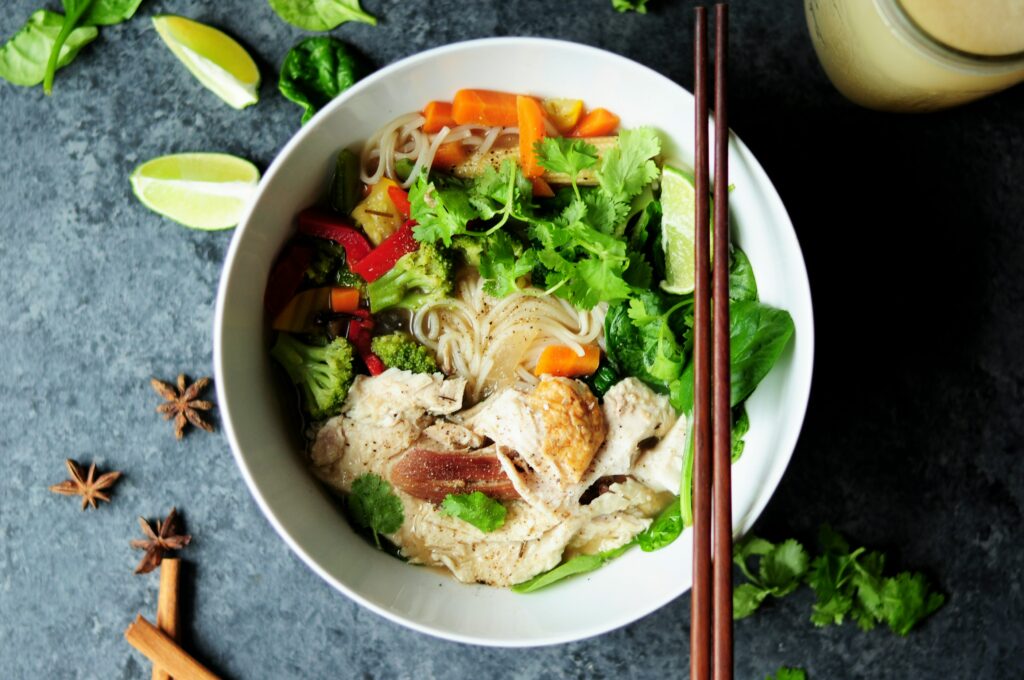
Pho is the dish everyone associates with Vietnam, and for good reason. You find it everywhere — from small street corners in Hanoi to morning markets in the south. It’s simple at first glance: rice noodles, hot broth, herbs, and meat, usually beef (Pho Bo) or chicken (Pho Ga).
But the real magic is in the broth. In the north, it’s light and clear, simmered slowly with beef bones, ginger, and star anise. In the south, it’s richer and slightly sweet, often served with a plate of fresh herbs and lime. No two bowls taste the same, and that’s part of the fun.
Pho began as a working-class meal and has become part of Vietnam’s identity. Today, it’s breakfast, comfort food, and a daily ritual all at once. Sitting at a plastic table with a steaming bowl in front of you, the sound of scooters in the background, you start to understand why this dish means so much to the people who make it every day.
Banh Mi – The French-Vietnamese Sandwich
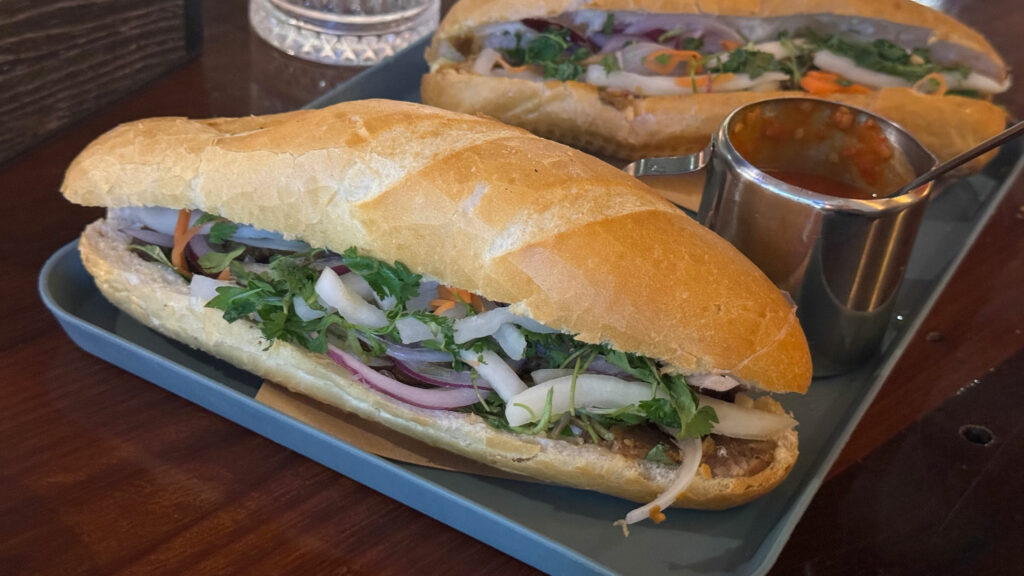
If Pho represents Vietnam’s soul, Banh Mi shows its creativity. Born from the French baguette and shaped by Vietnamese flavors, it’s a perfect example of how the country blends influences into something entirely its own.
The bread is light and crisp on the outside, soft inside — filled with pâté, grilled pork or chicken, pickled carrots and daikon, cucumber, chili, and herbs. Some stalls spread mayonnaise, others add fried eggs or a dash of Maggi sauce. Every bite is a mix of textures: crunchy, soft, tangy, and spicy.
You’ll find Banh Mi everywhere, but each region gives it a twist. In Ho Chi Minh City, sandwiches come loaded with cold cuts and sauces. In Hanoi, they’re simpler, usually with one kind of meat and a stronger pâté flavor. Either way, it’s fast, cheap, and unforgettable — one of those meals that perfectly captures everyday life in Vietnam.
Goi Cuon – Fresh Spring Rolls
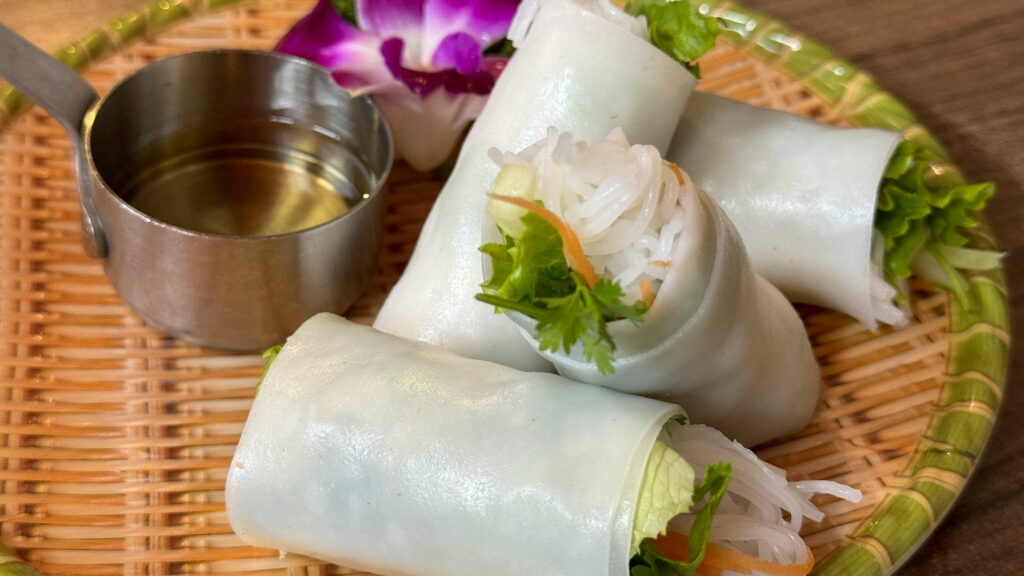
Goi Cuon, often called Vietnamese spring rolls or summer rolls, show how light and fresh Vietnamese food can be. Each roll is wrapped in thin rice paper and filled with shrimp or pork, rice noodles, lettuce, mint, and coriander. They’re served cold, which makes them perfect for hot days.
The best part is the dipping sauce. Most places serve a mix of hoisin, garlic, chili, and crushed peanuts, thick and slightly sweet. The rolls themselves are mild, but the sauce brings everything together — soft, crunchy, spicy, and fresh in one bite.
Goi Cuon is one of those dishes that make you feel good after eating. It’s simple, clean, and balanced, and it shows how Vietnamese food uses herbs and texture to make something both healthy and full of flavor.
Bun Cha – Grilled Pork with Vermicelli
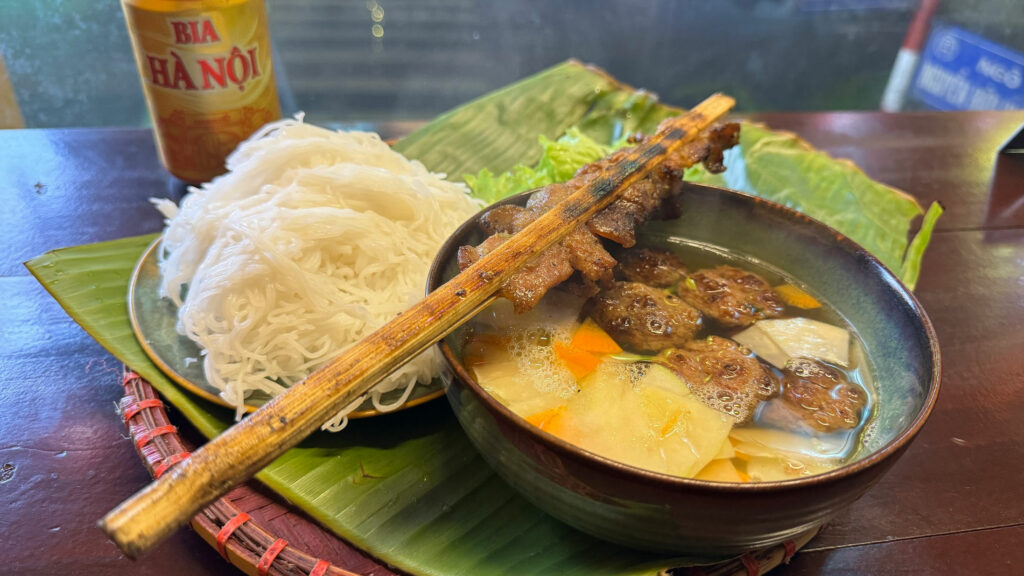
If Hanoi had a single dish that sums up the city, it might be Bun Cha. You’ll smell it before you see it — the smoke from pork grilling over charcoal fills the air. The dish is served as a small feast: a bowl of grilled pork patties and sliced pork belly, a plate of rice noodles, and a dipping sauce made from fish sauce, vinegar, garlic, and sugar.
The fun part is how you eat it. You mix and match — some noodles, a bit of meat, herbs, and sauce in one bite. It’s smoky, sweet, and salty all at once, with fresh herbs cutting through the richness.
Bun Cha is everywhere in Hanoi, but it never feels repetitive. Each stall has its own recipe, its own fire, and its own way of serving it. It’s one of those meals that you can eat over and over again and still crave the next day.
Cao Lau – Hoi An’s Special Noodle Dish
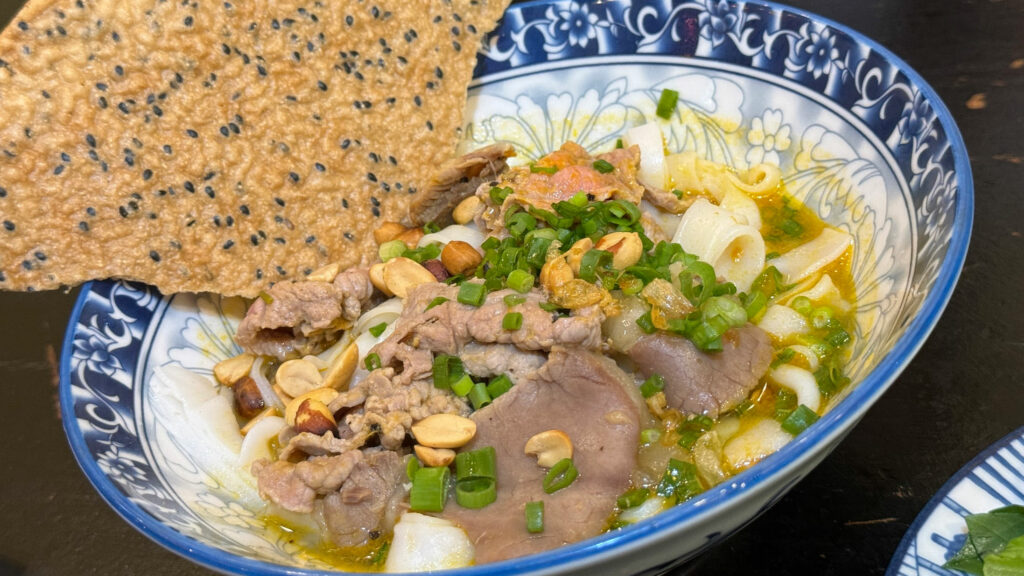
Cao Lau is the dish that defines Hoi An. You’ll find it everywhere in the old town — small bowls of thick rice noodles, slices of barbecued pork, crisp greens, and crunchy croutons topped with herbs and bean sprouts.
What makes Cao Lau different is the noodles. They’re said to be made with water from Ba Le Well, giving them a chewy texture you won’t find anywhere else. Whether that’s myth or magic, it’s part of what makes the dish so unique.
Cao Lau tells the story of Hoi An itself: a mix of influences from Chinese traders, local farmers, and Vietnamese cooks. It’s not a fancy dish, but it feels special, especially when eaten in a quiet courtyard with lanterns above and the smell of charcoal drifting through the air.
Com Tam – Broken Rice
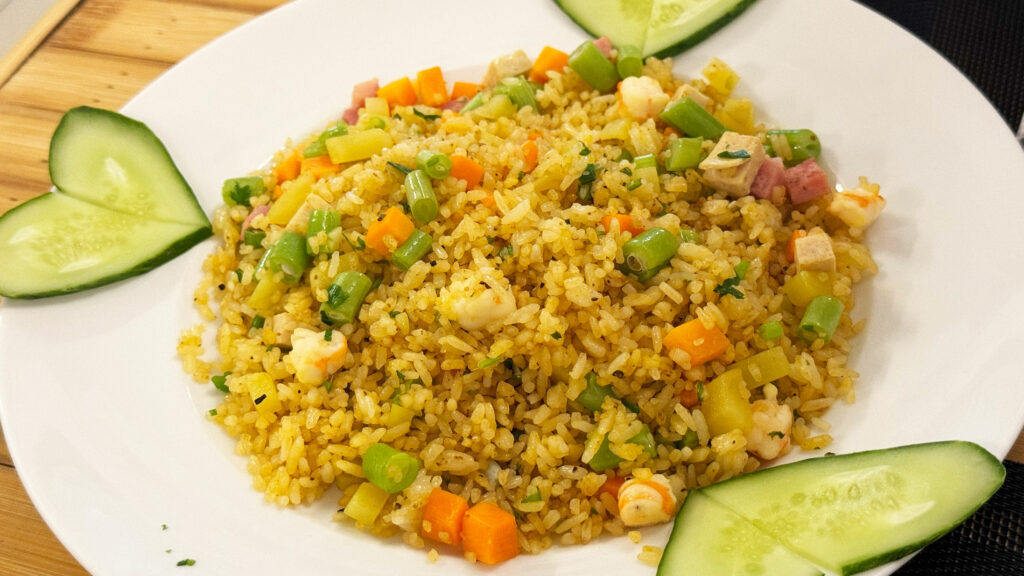
Com Tam, or broken rice, started as a humble meal in the south and is now one of the region’s staples. The rice grains are smaller and softer than usual, served with grilled pork ribs, fried egg, pickled vegetables, and a small bowl of sweet fish sauce on the side.
The name comes from the way the rice used to break during milling, once considered waste. Today, it’s one of the most comforting meals you can find — a plate that’s simple, filling, and full of flavor. A sprinkle of scallions and peanuts on top gives it just the right crunch.
You’ll find the best Com Tam in Ho Chi Minh City, cooked on small grills by the roadside, with smoke rising and the sound of sizzling meat in the air.
Banh Xeo – Crispy Vietnamese Pancake
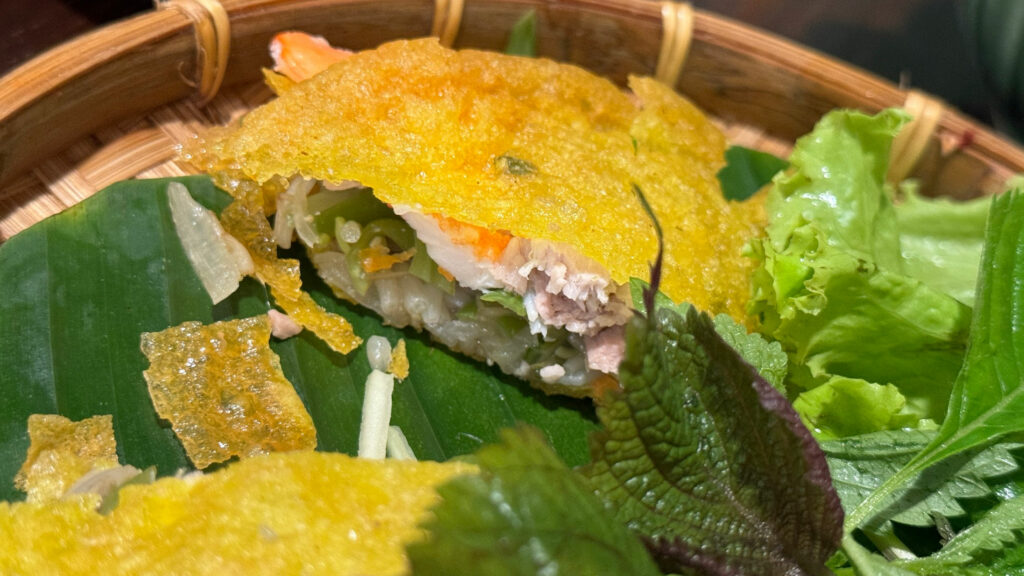
Banh Xeo is one of Vietnam’s most fun dishes to eat. The name literally means “sizzling cake,” after the sound the batter makes when it hits the hot pan. The pancake is made with rice flour, turmeric, and coconut milk, giving it a bright yellow color and a light, crisp texture.
It’s filled with shrimp, pork, and bean sprouts, then folded and served with a basket of herbs and rice paper. The best way to eat it? Tear off a piece, wrap it in lettuce or rice paper with herbs, and dip it into a bowl of nuoc cham — the classic fish sauce mix with lime, sugar, and chili.
It’s crunchy, fragrant, and slightly messy: exactly how Vietnamese food should be.
Mi Quang – Turmeric Noodles from Central Vietnam
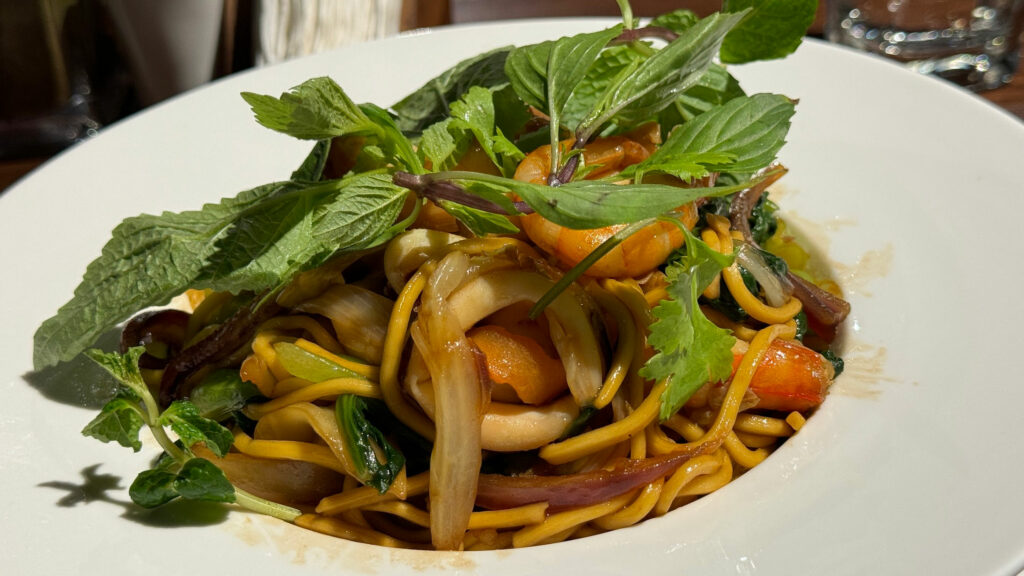
Mi Quang is one of Central Vietnam’s signature dishes, especially around Da Nang and Quang Nam Province. It stands out for its turmeric-yellow noodles, light but flavorful broth, and generous toppings.
The bowl usually comes with chicken, shrimp, or pork, along with herbs, roasted peanuts, and crispy rice crackers for crunch. The broth is thicker than Pho but lighter than a curry, made fragrant with shallots, garlic, and fish sauce.
Every bite feels different: soft noodles, crunchy peanuts, fresh herbs, and just enough spice. Mi Quang is hearty but never heavy, a perfect mix of Central Vietnam’s simplicity and color.
Ốc – Vietnamese Snails

Snails, or Ốc, are one of Vietnam’s most local and social foods. You’ll find small snail shops tucked into alleys, full of people talking, eating, and cracking shells late into the evening.
The snails can come from rivers or the sea, cooked in all kinds of ways: steamed with lemongrass and chili, grilled with scallion oil and peanuts, or tossed in tamarind sauce for a sweet and sour kick. Some are spicy, others buttery or garlicky, but they’re always eaten hot, straight from the shell, using a small fork or toothpick.
Eating snails in Vietnam isn’t just about the food — it’s about the moment. You sit with friends, share a cold Bia Hoi, and work through plate after plate, chatting between bites. It’s messy, flavorful, and one of the most fun ways to eat like a local.
Vietnamese Coffee – Strong, Sweet, and Unforgettable
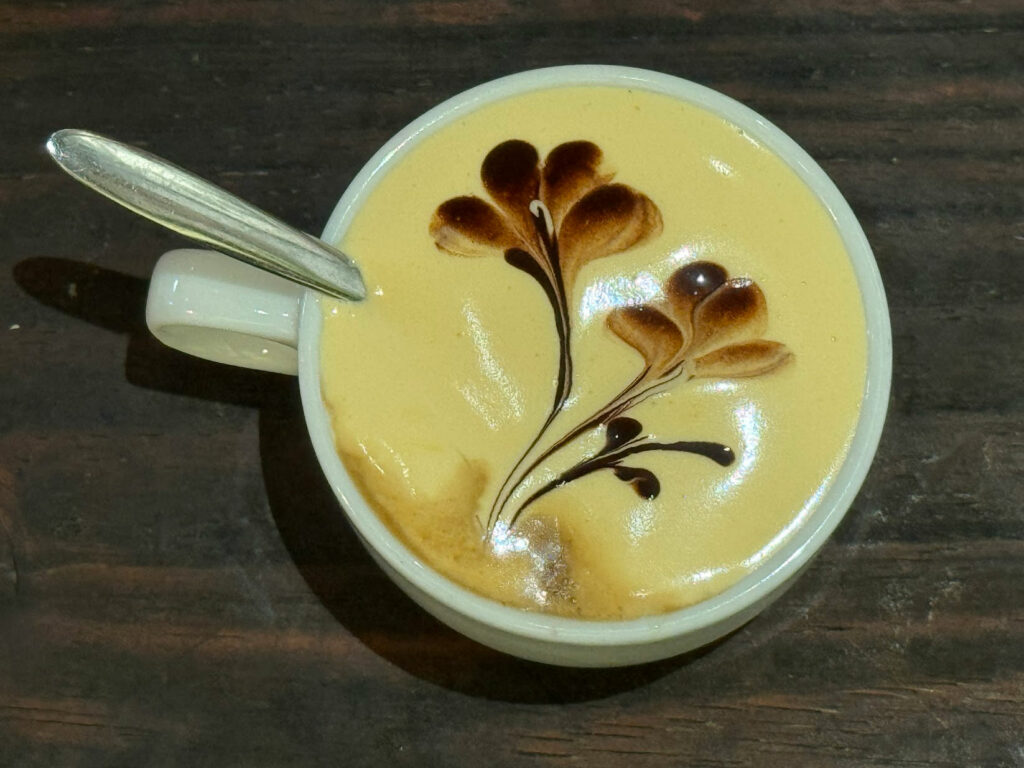
Coffee in Vietnam isn’t just about caffeine, it’s part of the country’s rhythm. You see it everywhere: tiny metal filters dripping slowly over glasses, the air filled with the smell of roasted beans and condensed milk.
The classic Ca Phe Sua Da, or iced coffee with condensed milk, is strong and sweet, poured over ice and best enjoyed while watching the city move around you. It’s the drink that keeps Vietnam running — quick, affordable, and full of flavor.
In Hanoi, try the famous Ca Phe Trung, or egg coffee. It’s made by whipping egg yolk with condensed milk until it becomes creamy and thick, then poured over espresso. It tastes like dessert in a cup — rich, smooth, and slightly caramelized.
Each region brews coffee differently, but everywhere it’s treated with the same care. Morning, afternoon, or late at night, you’ll find locals sitting on small stools, chatting over a glass. It’s not just a drink — it’s how people pause, connect, and slow down, even in the middle of a busy day.
Other traditional foods to try in Vietnam

Che – Vietnam’s Sweet Soup
Che is Vietnam’s most common dessert, and it comes in endless varieties. It’s a mix of beans, jelly, fruit, and coconut milk — somewhere between a drink and a pudding. You’ll find it everywhere, from markets to roadside stalls, often served in clear glasses so you can see the layers.
Our favorites were Che Ba Mau, the three-color version with mung beans, jelly, and red beans, and Che Chuoi, made with banana, sago pearls, and coconut milk. It’s warm, sweet, and comforting, the kind of dessert that feels homemade.
Banh Flan – Vietnamese Crème Caramel
Banh Flan shows how French influence still lingers in Vietnam’s kitchens. It’s a creamy caramel custard, similar to crème caramel but lighter and often topped with crushed ice or a drizzle of black coffee.
You’ll find it in cafés and small dessert stalls, usually chilled and served in small bowls. The texture is smooth, the sweetness gentle, and the coffee adds just enough bitterness to balance everything out. It’s simple, classic, and perfect after a long, hot day.
Banh Bao Chi – Sesame Balls
Banh Bao Chi are small, chewy sesame-covered balls filled with sweet mung bean paste or shredded coconut. The outer layer is soft and sticky, rolled in white sesame seeds that give it a light crunch.
They’re sold in bakeries, markets, and street stalls, often eaten as a snack rather than dessert. The flavor is mild and nutty, not too sweet, which makes it easy to eat more than one. It’s a great example of how Vietnamese desserts focus on texture and balance rather than sugar.
Tips for Foodies Traveling to Vietnam
If you really want to understand Vietnam, start with its food. The best meals are rarely found in restaurants: they’re in the street stalls, markets, and family-run spots where locals eat every day. Follow the crowds, sit where there’s noise and laughter, and you’ll almost always be rewarded with something good.
Both Hanoi and Ho Chi Minh City have amazing street food tours and cooking classes, and they’re worth it if you want to learn how dishes like Pho, Bun Cha, or Banh Xeo are made. In Hoi An, morning market tours end with hands-on lessons using what you’ve just bought, which is as local as it gets.
When eating out, don’t be afraid to experiment. Use chopsticks and a spoon, watch what locals do, and taste everything at least once, even if you don’t recognize it. Meals in Vietnam are about sharing, so it’s common to order several dishes and pass them around.
Street food is fast, fresh, and cheap, but always choose busy places — they turn over ingredients quickly, and locals know where the good food is. And don’t worry if the setup looks modest. In Vietnam, plastic chairs and tiny tables often mean you’ve found the right spot.
Final Thoughts
The best food in Vietnam isn’t about fancy presentation or long menus. It’s about flavor, balance, and heart. Every dish, from a bowl of Pho on a Hanoi street corner to coffee shared at sunrise in Hoi An, tells a story of the country and the people who make it.
If you travel with curiosity, eat where locals eat, and let yourself slow down, Vietnam will feed you in more ways than one.