

Thailand has more than 1,400 islands. The ones that dominate the conversation — Phuket, Koh Samui, Phi Phi — are popular for real reasons. They also have real problems: inflated prices, crowds that overwhelm the beaches they built their reputation on, and an infrastructure that now serves the tourist industry more than the people visiting it.
The better question isn’t ‘what are the best islands in Thailand’ — it’s which island is right for the specific trip you want to take. A couple looking for somewhere quiet and beautiful will have a completely different answer from a diver who wants world-class reef access, or a family that needs shallow water and reliable food options.
This guide covers the islands worth knowing about — the ones that earn their reputation, the ones that are genuinely overrated, and the one detail almost nobody explains: Thailand’s two coasts have opposite monsoon seasons, and getting that wrong costs you a ruined trip.
The Most Important Thing Nobody Explains about thai islands: Two Coasts, Two Seasons
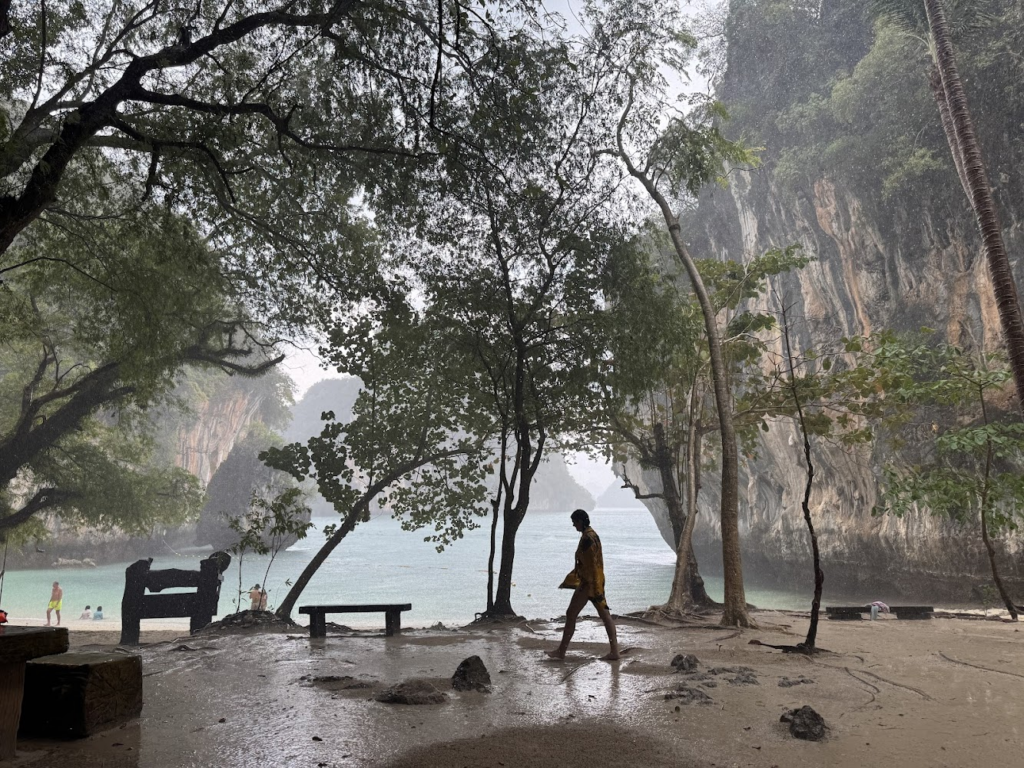
Thailand’s islands sit on two completely different bodies of water with opposite monsoon cycles. Book the wrong coast in the wrong month and you’ll spend your trip in the rain. Book the right coast and the same calendar month is perfect beach weather.
Andaman Sea (west coast): Phuket, Krabi, Koh Lanta, Koh Lipe, Phi Phi. Dry season runs November to April. Monsoon hits May to October — seas get rough, some boats stop running, and a handful of resorts close entirely. September and October are the wettest months.
Gulf of Thailand (east coast): Koh Samui, Koh Phangan, Koh Tao, Koh Kood. Dry season runs November to June. The Gulf gets its rain October to December — the opposite window. This is the coast to choose if you’re travelling in July or August.
| Coast | Islands | Dry season | Monsoon | Peak crowd months |
| Andaman Sea (west) | Phuket, Krabi, Koh Lanta, Koh Lipe, Phi Phi | November – April | May – October | December – February |
| Gulf of Thailand (east) | Koh Samui, Koh Phangan, Koh Tao, Koh Kood | November – June | October – December | January – March |
If you’re visiting June to September, the Gulf of Thailand (Koh Samui, Koh Kood) is your safer bet. The Andaman coast is in monsoon season and the seas can be rough enough to affect ferries and boat tours.
Thailand Islands at a Glance
A direct comparison across the islands covered in this guide:
| Island | Best for | Coast | Dry season | Crowd level | Mid-range budget/night |
| Koh Lanta | Couples, families, longer stays, laid-back beach life | Andaman | Nov–Apr | Moderate | ฿1,500–3,500 |
| Koh Lipe | Snorkelling, diving, marine national park access | Andaman | Nov–Apr | Moderate to high | ฿1,000–3,000 |
| Koh Kood | Quiet luxury, couples, off-grid nature, waterfalls | Gulf | Nov–Jun | Low | ฿2,000–6,000+ |
| Koh Phi Phi | Dramatic scenery, daytrippers, parties | Andaman | Nov–Apr | Very high | ฿1,500–4,000 |
| Phuket | Convenience, nightlife, full infrastructure | Andaman | Nov–Apr | Very high | ฿2,000–8,000+ |
| Koh Samui | Resort holidays, couples, spa retreats | Gulf | Jan–Sep | High | ฿2,000–6,000+ |
Koh Lanta: The Island That Gets It Right
Koh Lanta is the sleeper hit of the Andaman coast. It doesn’t have the fame of Phi Phi or the infrastructure of Phuket, and that’s precisely why it works. The island has proper beaches, good food, a genuine local community, and the kind of pace that makes a week feel restorative rather than rushed.
The west coast runs 25km from north to south with seven distinct beaches, each with a slightly different character. Klong Dao in the north is the family beach — wide, shallow, backed by casuarina pines. Long Beach (Phra Ae) is the social centre, with the highest concentration of restaurants and beach bars. Kantiang Bay in the south is where the island gets genuinely dramatic: a curved bay with emerald water, steep jungle hills, and almost no one walking past.
Lanta Old Town is the part most guides mention in passing and most visitors skip. It’s a 200-year-old sea-gypsy fishing village built on stilts over the water on the east coast. The wooden shophouses, the small Muslim community, the coffee shops that have been there longer than the tourists — it’s one of the more interesting 90 minutes on any Thai island.
| Detail | |
| Best for | Couples, families, digital nomads, longer stays (1–2 weeks) |
| Not ideal for | Nightlife hunters, divers wanting reef access (day trips are fine) |
| How to get there | Fly to Krabi, then minivan + ferry (2–3 hrs, ฿300–500) or direct speedboat in high season |
| Best beach | Kantiang Bay for scenery and quiet; Phra Ae (Long Beach) for social life |
| Don’t miss | Lanta Old Town, Lanta Marine National Park day trip, sunset from any west-coast beach |
| Best months | November, December, April — shoulder season crowds, full season conditions |
| Skip if | You’re visiting May–October (Andaman monsoon; seas can be rough) |
Koh Lipe: The Best Snorkelling in Thailand
Koh Lipe sits at the bottom of Thailand, 4km from the Malaysian border, inside the Tarutao National Marine Park. The park designation matters: the water clarity and reef quality here is in a different category from most Thai island snorkelling. You don’t need to go on a boat tour. Some of the best snorkelling is directly off Sunrise Beach and Pattaya Beach, a few minutes’ swim from shore.
The island is small — you can walk across it in 15 minutes. Three main beaches: Sunrise Beach on the east (calm, shallow, snorkel-ready), Sunset Beach on the west (better for sunsets, rougher in peak winds), and Pattaya Beach in the south (the social hub, most restaurants and boat piers). Walking Street connects Pattaya and Sunrise Beach and is where the nightlife and most restaurants are concentrated.
What’s changed: Koh Lipe has developed fast in the last decade. It’s no longer the sleepy backpacker island it was before 2015. Accommodation options have improved significantly, but so have the crowds in peak season (December to February). If you want Koh Lipe without the shoulder-to-shoulder feeling, November or March are the windows.
| Detail | |
| Best for | Snorkellers, divers, couples wanting a small intimate island |
| Not ideal for | Families with very young children (no proper hospital on the island); non-swimmers |
| How to get there | Fly Hat Yai, then minivan to Pak Bara pier (1.5 hrs), then ferry to Koh Lipe (1.5–2 hrs, ฿600–800). Or ferry from Langkawi (Malaysia) in season. |
| Best snorkel spots | Northern tip of Sunrise Beach; Pattaya Beach reef; Ko Adang (day trip, 10 min) |
| Don’t miss | Day trip to Ko Adang and Ko Rawi — near-empty beaches and pristine reef, 20 min by longtail |
| Best months | November and March — clear water, fewer crowds than December–February peak |
| Skip if | You’re visiting June–October (ferries limited or cancelled; national park technically closed) |
The speedboat from Langkawi to Koh Lipe (around 1.5 hrs) is a scenic way to arrive and pairs well with a Malaysia–Thailand itinerary. Services run November to April only.
Koh Kood: Thailand’s Most Unspoiled Large Island
Koh Kood is Thailand’s fourth largest island and one of its least known outside the country. There are no traffic lights, no 7-Elevens, and no vehicle ferry — which means no mass tourism by accident. The roads are quiet, the beaches have natural tree cover rather than sun-lounger rows, and the interior is mostly dense jungle with waterfalls you can actually reach.
The water. Koh Kood’s beaches — particularly Klong Chao and Bang Bao — have the kind of clear, calm, pale turquoise water that most Andaman coast photos are faked to look like. This is the east coast Gulf of Thailand at its best: no big surf, water warm enough to stay in for hours, and visibility good enough to snorkel without a tour.
Klong Chao Waterfall is 20 minutes by scooter from most beaches and worth the trip. The falls drop into a natural pool wide enough to swim in. The walk to the upper pools is short and the upper section is often completely empty. It’s the kind of thing that would be a ticketed attraction with a crowd on any other Thai island.
Budget note: Koh Kood skews mid-range to luxury. Budget options exist (฿1,000–1,800/night for basic bungalows) but the island’s most memorable accommodation is the mid-range eco-resort bracket (฿3,000–6,000/night). Soneva Kiri, at the very high end, is one of the best luxury resorts in Southeast Asia if budget is no constraint.
| Detail | |
| Best for | Couples wanting real quiet; nature lovers; luxury travellers; anyone who’s been to the main islands before |
| Not ideal for | Solo travellers on a tight budget; party seekers; anyone needing reliable nightlife or Western food options |
| How to get there | Fly to Trat (45 min from Bangkok), then 1–1.5 hrs by speedboat. Or bus + ferry from Bangkok’s Eastern Bus Terminal (8–10 hrs total). |
| Best beach | Klong Chao for shallow swimming; Bang Bao for longtail trips; Ao Tapao for seclusion |
| Don’t miss | Klong Chao Waterfall; renting a scooter and riding the perimeter road; kayaking into the mangroves |
| Best months | November to June (Gulf dry season). Avoid October — the Gulf’s wettest month. |
| Crowd level | Low year-round by Thai island standards. The absence of a vehicle ferry keeps it that way. |
Koh Phi Phi: Breathtaking Island, but is it worth it?
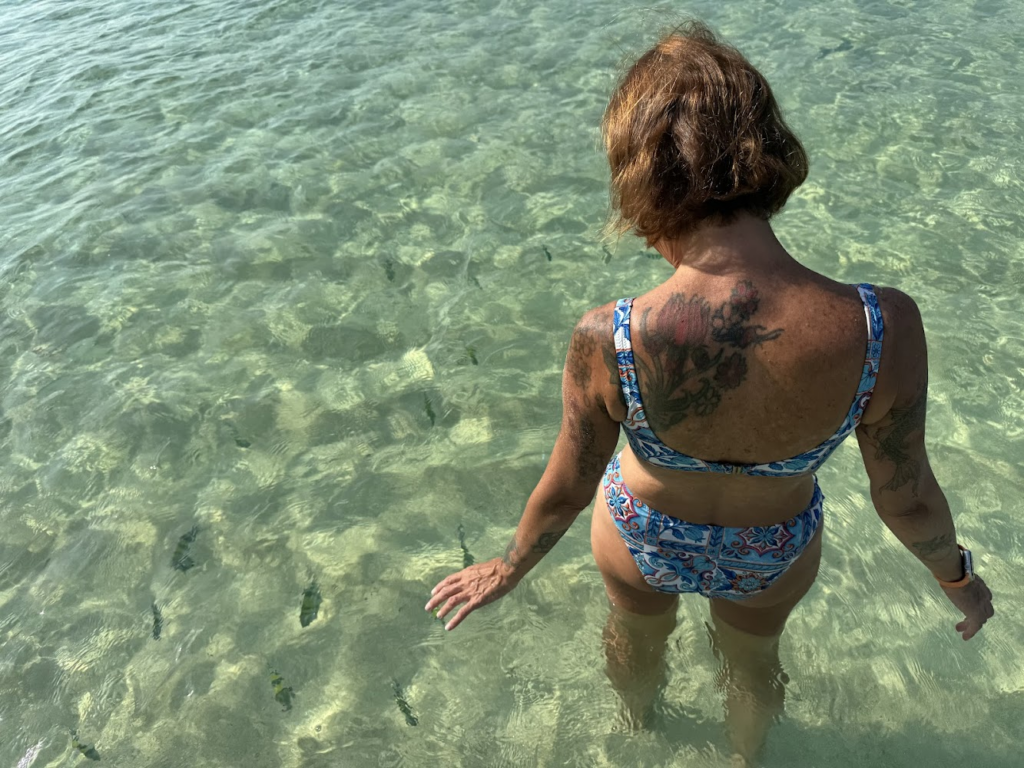
Koh Phi Phi is genuinely one of the most beautiful places in Thailand. The arrival by boat into the twin bays, the limestone karsts rising vertically from the water, the clarity of the sea in the coves — none of this is exaggerated. The scenery is real.
What’s also real: Phi Phi Don (the inhabited island) now has more visitors than it can gracefully absorb. The main village has a Burger King, shoulder-to-shoulder beach bars, and a Walking Street that looks like a resort party strip rather than a Thai island. The beaches closest to the village get crowded early in the day and stay that way until midnight.
Maya Bay: The beach from ‘The Beach’ was closed from 2018 to 2022 after suffering severe ecological damage from overtourism. It reopened with restrictions: boats can no longer enter the bay, swimming is only permitted in designated zones, and daily visitor numbers are capped. It’s better than it was, but it still draws enormous day-trip crowds from Phuket and Krabi.
Who it’s right for: People who want dramatic scenery and don’t mind noise and company. Divers — the dive sites around Phi Phi are genuinely good and slightly less crowded than the beaches. Day-trippers from Krabi or Phuket who want the view without staying overnight.
If your priority is peace, clear water away from crowds, or authentic Thai island life — Phi Phi is not the right choice. Koh Lanta (30 minutes by ferry in high season) is a better alternative and often significantly cheaper.
| Detail | |
| Best for | Scenery, diving, daytrippers, people who want nightlife with a beautiful backdrop |
| Not ideal for | Families with young children; anyone who prioritises quiet; budget travellers (prices are high for what you get) |
| How to get there | Ferry from Krabi town or Ao Nang (1.5–2 hrs, ฿350–500) or from Phuket (2–2.5 hrs, ฿400–600) |
| Best parts | Sunrise at the viewpoint above the village; diving at Hin Daeng and Hin Muang; longtail boat to northern beaches away from crowds |
| Stay duration | 1–2 nights is enough. Day trip from Krabi or Phuket is a valid option. |
| Best months | November to February for clearest water; March–April is still good but very crowded |
Phuket and Koh Samui: What You’re Actually Getting
Phuket and Koh Samui are Thailand’s two most visited islands, and they deserve a straightforward assessment: they are popular for legitimate reasons, but they no longer deliver the value they once did.
Phuket
Phuket is not really an island experience any more — it’s a large province with beaches attached. The west coast beaches (Patong, Karon, Kata) are well-organised, have every amenity you could need, and are genuinely pleasant in places. Patong, the main hub, is loud, commercialised, and not for everyone.
The case for Phuket: Direct international flights. Excellent airport. The best range of hotels in Thailand across all budgets. An international food scene. Old Phuket Town (the Sino-Portuguese heritage district) is genuinely beautiful and worth a half-day on its own. It’s the easiest way to get to the Andaman coast.
The honest case against: Prices have risen significantly while quality in tourist areas has stagnated. The beaches closest to Patong are crowded from 9am and carry issues with water cleanliness during peak season. You can get more beach, more quiet, and better value 30 minutes away on Koh Yao Noi or Koh Yao Yai — islands most visitors fly over without considering.
Koh Samui
Koh Samui has direct flights from Bangkok (45 minutes) and international flights from several Asian hubs — which is why it became so popular. The resort infrastructure is excellent, particularly on the north coast around Chaweng and Bophut. For a honeymoon or anniversary at a high-end resort, it still works well.
The honest case against: Chaweng Beach, the most famous, has become one of the more disappointing beaches in Thailand relative to its reputation. Crowded, lined with sun-loungers belonging to beach clubs that charge ฿200–500 minimum spend, and with variable water cleanliness during high season. Accommodation prices have increased sharply, and the island now costs as much as Bali without the cultural depth.
When Samui makes sense: You’re visiting July or August (Gulf dry season — better than the Andaman coast at this time). You want a resort holiday with direct flights and don’t want to organise transport. You’re combining it with Koh Phangan and Koh Tao for a Gulf islands circuit.
Both Phuket and Koh Samui can be excellent if you stay away from the tourist centres. The problem is that most people book the famous beaches without realising that the fame is what’s ruined them.
How to Combine Thailand’s Islands
The most common mistake is trying to do both coasts in one trip. The distances are long and crossing from the Andaman to the Gulf (or vice versa) means a day of travel. Pick one coast per trip.
| Circuit | Islands | Total time | Best months |
| Andaman classic | Bangkok → Krabi → Koh Lanta → Koh Lipe | 10–14 days | Nov–Apr |
| Andaman quick | Bangkok → Phuket → Phi Phi (1–2 nights) → Koh Lanta | 7–10 days | Nov–Apr |
| Gulf east | Bangkok → Koh Kood → back to Bangkok | 5–7 days | Nov–Jun |
| Gulf islands loop | Bangkok → Koh Samui → Koh Phangan → Koh Tao | 10–14 days | Jan–Sep |
| Southern deep | Bangkok → Hat Yai → Koh Lipe → Langkawi (Malaysia) | 10–12 days | Nov–Apr |
The Right Island for the Right Trip
Thailand’s island reputation was built on genuinely extraordinary places. Some of those places have been overwhelmed by the very reputation they earned. The good news: the alternatives exist, they’re accessible, and they’re often better.
Koh Lanta for a proper stay. Koh Lipe for the underwater world. Koh Kood when you want to actually disconnect. And if you’re committed to Phuket or Koh Samui, stay away from the main tourist beaches and you’ll find a different, quieter version of both.
More on each destination: Koh Lanta guide | Krabi guide | Bangkok travel guide
Islands in Thailand: Frequently Asked Questions
It depends on what you want. For a relaxed longer stay: Koh Lanta. For world-class snorkelling: Koh Lipe. For complete quiet and nature: Koh Kood. For dramatic scenery: Koh Phi Phi (with honest expectations about crowds). There is no single best — the right island depends on the trip.
Phi Phi Don is the most overcrowded relative to its size. Phuket’s Patong Beach and Koh Samui’s Chaweng Beach are also heavily commercialised. The quietest large islands are Koh Kood (east coast) and Koh Lanta (west coast, outside December–January peak).
It depends on which coast. Andaman coast (Phuket, Krabi, Koh Lanta, Koh Lipe, Phi Phi): November to April. Gulf of Thailand (Koh Samui, Koh Kood, Koh Phangan): November to June. The coasts have opposite monsoon seasons — when one is wet, the other is dry.
For the scenery and diving, yes. For a relaxing beach holiday, no. Phi Phi Don is small, loud, and expensive relative to alternatives. Maya Bay (reopened 2022 with restrictions) is beautiful but draws enormous day-trip crowds. A one or two-night stay, or a day trip from Krabi, is the right way to experience it without suffering the downsides.
Koh Lipe, inside the Tarutao National Marine Park, has the clearest water and the most intact reef of any accessible Thai island. Koh Tao (Gulf coast) is excellent for snorkelling and affordable diving courses. The Similan Islands (day trip from Khao Lak) are world-class but require a liveaboard or organised trip.