

Vietnam is a country that could easily fill weeks of travel, but even with just five days, you can see and feel more than you might expect. With a bit of planning and a clear route, it’s possible to capture the country’s energy, food, and beauty without rushing from one place to another.
We’ve spent three weeks exploring Vietnam from north to south, and these short itineraries are built from that experience. They’re for travelers who don’t have much time but still want to understand what makes Vietnam so special — its people, food, and everyday rhythm.
Each plan focuses on a smaller region rather than trying to fit the whole country in. It’s better to see less and enjoy it fully than to spend your time on buses and planes. Whether you’re adding a short stop in Vietnam to a longer trip in Southeast Asia or planning a quick getaway on its own, these five-day itineraries give you a real taste of the country.
From the noise of Hanoi to the calm of Ha Long Bay, from Hue’s old walls to the green rice terraces of Sapa, every stop has been chosen from what we’ve seen, done, and loved most. Vietnam may be vast, but in five days, it can still leave a mark that lasts.
Itinerary #1: Northern Vietnam Highlights
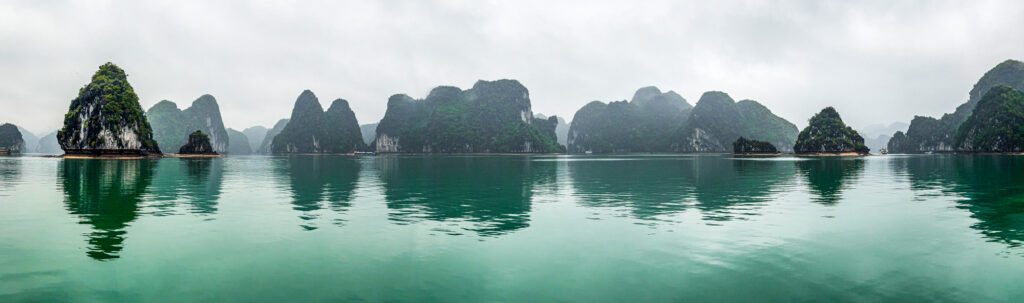
Day 1 – Arrival in Hanoi
Your trip starts in Hanoi, Vietnam’s capital and the heart of the north. After settling in, take a walk through the Old Quarter, where narrow streets buzz with scooters, street vendors, and the smell of grilled meat. The mix of French-era buildings, temples, and coffee shops shows how history and daily life overlap everywhere you look.
Find a small restaurant or food stall for dinner and try your first bowl of Pho. It’s the perfect welcome to Hanoi.
Day 2 – Hanoi’s Old Quarter and Street Food
Spend your second day exploring Hanoi more deeply. Walk around the Old Quarter in the morning: every street seems to have its own craft or trade, from metalwork to silk. Visit the Hoan Kiem Lake area, then stop for Bun Cha, grilled pork with rice noodles and herbs, or join a street food tour to taste the city’s best dishes.
In the afternoon, take a break at a café for Ca Phe Trung, Hanoi’s famous egg coffee: sweet, strong, and unlike anything else.
Day 3 – From Hanoi to Ha Long Bay
In the morning, head to Ha Long Bay, about four hours from Hanoi. This is one of Vietnam’s most beautiful natural spots, with thousands of limestone islands rising from calm, green water.
Most travelers choose an overnight cruise, and it’s worth it. You’ll have time to kayak, visit small caves, and watch the sunset from the deck. At night, dinner is served on board as the bay goes quiet around you.
Day 4 – Back to Hanoi
Wake up early for sunrise on the bay before heading back to Hanoi. The light at that hour is soft and peacefu: one of those simple moments you’ll remember.
Once back in the city, spend your last evening walking the Old Quarter again or join locals for a glass of Bia Hoi, Hanoi’s fresh beer, at a street corner. It’s an easy way to celebrate your last night in the north.
Day 5 – Departure from Hanoi
Enjoy one last Vietnamese coffee before heading to the airport. Five days go fast, but they’re enough to show you how much contrast Northern Vietnam holds — fast streets, quiet water, old stories, and constant movement. It’s a small trip that leaves a big impression.
Five days in Northern Vietnam show how much this region can fit into a short trip. You move from the chaos of Hanoi’s streets to the quiet rhythm of Ha Long Bay, from food cooked on sidewalks to sunrise over limestone islands. It’s the perfect introduction to the country — close enough to feel local life, long enough to leave wanting more.
Itinerary #2: Northern Vietnam Culture & Adventure
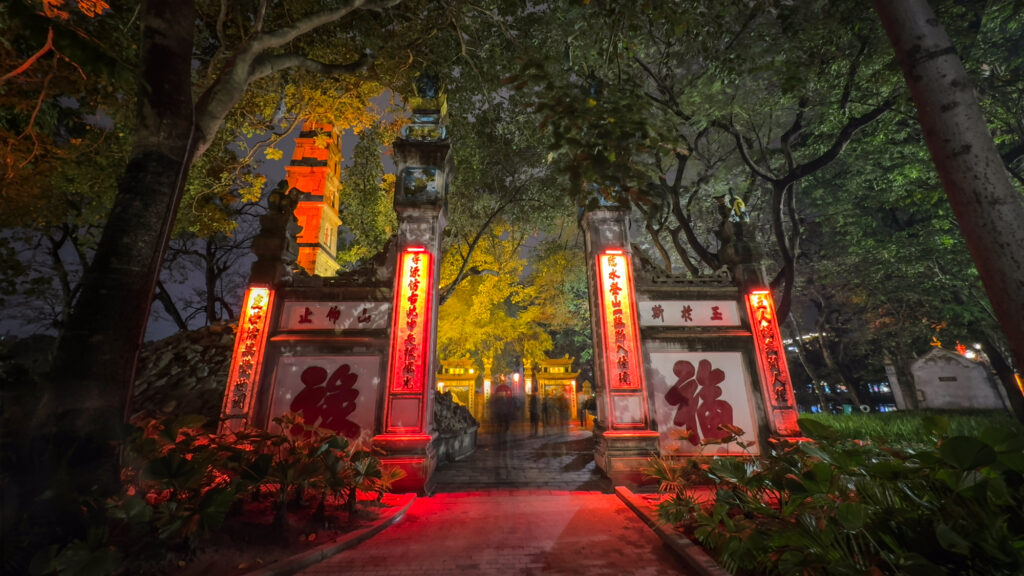
This five-day route blends the best of northern Vietnam’s culture and landscapes. You’ll start in Hanoi, full of life and history, then move through the quiet countryside of Ninh Bình before ending among the limestone islands of Hạ Long Bay.
Day 1 – Arrival in Hanoi
Begin your trip in Hanoi, the capital that never stands still. Take the first day to walk, watch, and listen. The sound of scooters mixes with the smell of food and incense from small temples. Wander through the Old Quarter, see the French-era buildings, and start getting a feel for the city’s rhythm.
Day 2 – Hanoi’s Culture and Cuisine
Spend the second day exploring Hanoi in more detail. Visit the Temple of Literature, the Ho Chi Minh Mausoleum area, or the small museums scattered around the city. Between stops, eat your way through the day. Try Bun Cha or Pho, grab an Egg Coffee, and let the city show its warmth through its food.
Day 3 – Ninh Bình and Tràng An
Travel south to Ninh Bình, often called “Ha Long Bay on land.” Limestone cliffs rise from rice fields, and rivers cut quietly between them. Take a sampan boat ride in Tràng An, paddled by locals who steer with their feet. The trip is peaceful and slow, passing temples, caves, and tiny villages. It’s one of the calmest days you’ll have in Vietnam.
Day 4 – Hạ Long Bay Cruise
From land to sea, make your way to Hạ Long Bay, a UNESCO World Heritage site. Board a small cruise boat and spend the day moving between islands and caves. The green water, the soft air, and the slow pace make it easy to disconnect. Stay overnight on board to catch the sunset and sunrise over the bay — simple moments that feel far from the city.
Day 5 – Morning on the Bay and Return to Hanoi
Start early with coffee on deck as fishing boats pass by. Visit one last island or floating village before returning to Hanoi in the afternoon. Use your final evening for a quiet dinner or a walk around Hoàn Kiếm Lake before heading home.
This itinerary shows how northern Vietnam mixes movement and stillness. In five days, you move from city streets to open rivers, from market sounds to water lapping against limestone cliffs. It’s a trip that stays close to everyday life yet feels far away from it: a reminder of how varied and welcoming Vietnam can be.
Itinerary #3: Southern Vietnam Exploration
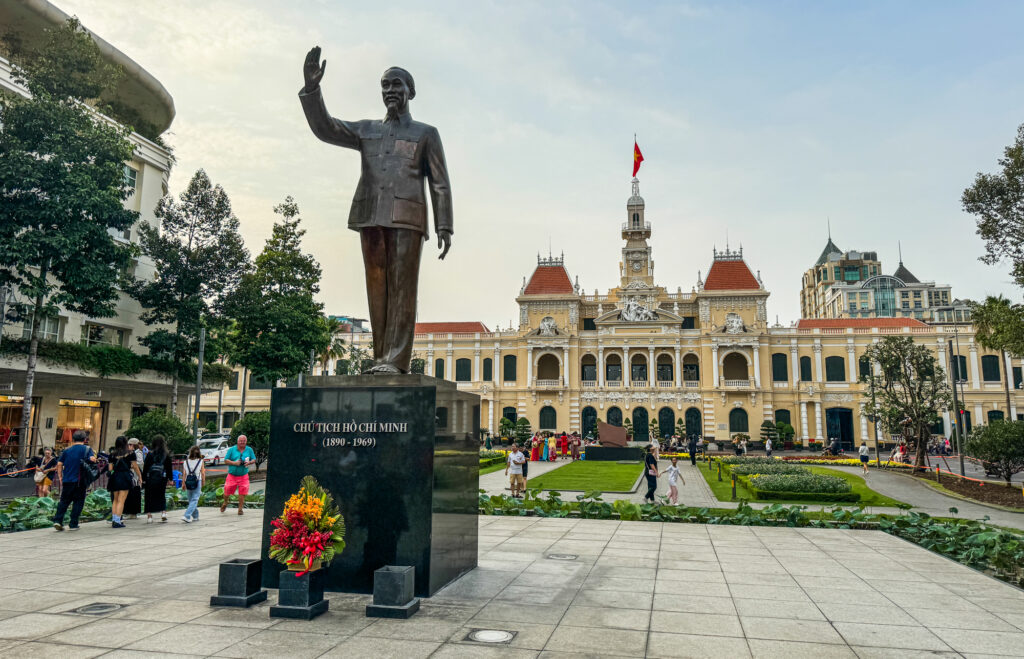
Southern Vietnam is full of contrast — fast-moving cities, quiet rivers, and a rhythm of life that changes with every mile. This five-day itinerary balances city energy with the calm of the Mekong Delta, giving you a real feel for how this region lives and breathes. This itinerary is designed for those who wish to experience the vibrant culture and serene landscapes of Southern Vietnam. It offers a perfect blend of urban exploration and rural adventure, providing a comprehensive view of the region’s diverse character and charm.
Day 1 – Arrival in Ho Chi Minh City
Start your trip in Ho Chi Minh City, still often called Saigon. It’s loud, modern, and endlessly alive. Spend the day walking through different neighborhoods, where glass towers sit next to French-era buildings and food stalls line the sidewalks.
Stop for Banh Mi or Com Tam (broken rice with grilled pork) and let the noise, smells, and colors introduce you to the city (our Ho Chi Min food guide is the best place to start your exploration). As night falls, the streets stay busy: find a rooftop bar or sit outside with locals for a cold drink and a plate of fried snacks.
Day 2 – Củ Chi Tunnels and City Highlights
Take a morning trip to the Củ Chi Tunnels, about an hour outside the city. Walking through this underground network gives you a glimpse of the creativity and resilience that defined Vietnam’s wartime history.
Back in the city, spend the afternoon visiting landmarks like the Notre Dame Cathedral, Central Post Office, and the War Remnants Museum. These sites tell the story of Saigon’s past and its transformation into today’s fast-paced city. In the evening, try Pho at a street stall — it tastes different here than in Hanoi, lighter but just as rich in flavor.
Day 3 – Day Trip on the Mekong River
Leave the city for the Mekong Delta, a few hours south. Here, life slows down. Boats replace cars, and every bend of the river reveals a new scene — fishermen casting nets, families cooking on floating houses, children waving from the banks.
Join a boat tour through narrow canals and small villages. Lunch is often served in a garden or family home, with simple dishes like fried fish and fresh vegetables from the area. It’s a quiet, beautiful break from the city.
Day 4 – Cần Thơ and the Floating Market
Stay overnight in Cần Thơ or nearby to catch the floating market early. Before sunrise, the river fills with boats loaded with fruit, vegetables, and everyday goods. Vendors call out prices, pass produce across the water, and brew strong coffee on board.
It’s busy but full of warmth and smiles — a daily routine that shows how important the river is to life in the south. After visiting, explore nearby temples or cycle through the rice fields before heading back to Ho Chi Minh City in the afternoon.
Day 5 – Departure from Ho Chi Minh City
Spend your last morning walking through the markets or relaxing in a café with a cup of Ca Phe Sua Da. The city feels different now — still chaotic, but familiar. When it’s time to leave, you’ll carry memories of both Saigon’s energy and the Mekong’s calm, two sides of southern Vietnam that balance each other perfectly.
This short trip through southern Vietnam captures both speed and stillness. You start in a city that never slows down and end on rivers that move at their own quiet pace. In just five days, you see how history, food, and everyday life connect across the region — not in big landmarks, but in small moments that stay with you long after you’ve left.
Itinerary #4: Central Vietnam Adventure

Central Vietnam blends history, food, and coastal calm in a way that feels timeless. This five-day route connects Hue, Hoi An, and Da Nang — three places that show how the region’s royal past and everyday life coexist.
Day 1 – Arrival in Hue
Start your trip in Hue, once the imperial capital of Vietnam. The city still carries traces of its royal past, with walls, pagodas, and old homes lining the Perfume River. Spend the afternoon walking along the riverbanks, visiting small cafés, and watching boats drift by. In the evening, eat at one of the local restaurants serving Bun Bo Hue, the spicy noodle soup that originated here.
Day 2 – The Imperial City, Thien Mu Pagoda, and Thuy Bieu Village
Dedicate the second day to Hue’s history and local life. Visit the Imperial Citadel, where the Nguyen emperors once ruled, and walk through its courtyards and crumbling gates. Continue to the Thien Mu Pagoda, perched quietly above the river.
In the afternoon, cycle to Thuy Bieu Village, known for its fruit gardens and traditional houses. You can visit a local home, taste pomelo straight from the trees, and see how locals make incense or crafts by hand. The pace here is slow and peaceful — a contrast to the city’s grand monuments.
Day 3 – Handicrafts, Minh Mang’s Tomb, and Chuon Lagoon
Hue is full of artistry and craft. Start the day visiting local workshops to see artisans working with silk, wood, and conical hats. Then visit the Tomb of Emperor Minh Mang, one of the most beautiful imperial tombs, surrounded by lakes and gardens.
In the late afternoon, head to Chuon Lagoon. Fishermen cast nets as the sun sets, and small floating restaurants serve seafood right on the water. It’s one of those quiet moments where you feel the calm rhythm of central Vietnam.
Day 4 – From Hue to Hoi An
Travel south toward Hoi An, passing the scenic Hai Van Pass, where mountains meet the sea. Stop along the way to take in the views before continuing to the old trading town.
Hoi An feels different from anywhere else — calm, colorful, and perfectly preserved. Walk through its narrow streets, admire the yellow buildings, and visit the Japanese Covered Bridge. As evening falls, the town lights up with lanterns, and the air fills with the smell of grilled food from the riverfront.
Day 5 – Hoi An to Da Nang and Departure
On your last morning, enjoy one more walk through Hoi An’s market or stop for a Ca Phe Sua Da before heading to Da Nang. If time allows, visit My Khe Beach for a short swim or simply watch the waves before catching your flight.
This itinerary captures what makes Central Vietnam special: the quiet dignity of Hue, the artistry of its people, and the coastal light of Hoi An and Da Nang. In five days, you trace a line through history, nature, and daily life, seeing how each place tells part of Vietnam’s larger story. It’s a journey that feels complete yet leaves you wanting to return.
Itinerary #5: Hiking in Sapa

High in Vietnam’s northern mountains, Sapa feels like a world apart. The air is cool, the landscape changes every few steps, and the pace of life slows down. This five-day itinerary is for travelers who love nature, quiet trails, and real encounters with local culture.
Day 1 – Arrival and Exploring Sapa Town
Arrive in Sapa and take the first day to get used to the mountain air. Walk around Sapa Market, where Hmong and Dao women sell handmade clothes, herbs, and silver jewelry. Have lunch at a small restaurant near Sapa Lake, then wander through town in the afternoon. Dinner is best kept simple — grilled meat or vegetable skewers from the market and a hot drink to warm up.
Day 2 – Trekking to Local Villages
Set out on a guided trek through the surrounding valleys. Start with Cat Cat Village, home to the Black Hmong people, and visit the small waterfall nearby. Continue toward Sin Chai, where fewer visitors go and the views open wide across rice terraces. The paths can be steep but rewarding. Return to town in the late afternoon for a quiet evening — most cafés close early, and the night sky here is clear enough to see every star.
Day 3 – Ta Phin Village and Fansipan Peak
Spend the morning in Ta Phin Village, home to the Red Dao community. Visit a local family to learn about traditional herbal baths and everyday life. In the afternoon, head to Fansipan, the highest mountain in Indochina. You can hike or take the cable car, which offers sweeping views across the valleys. The air gets thinner and colder at the top, so bring a jacket. End the day back in Sapa with a warm meal and an early night.
Day 4 – Silver Waterfall and Tram Ton Pass
Drive or ride to the Silver Waterfall, then continue to Tram Ton Pass, the highest road in Vietnam. The views from here stretch for miles. Pack a light picnic and eat outdoors if the weather allows. In the afternoon, stop at the nearby Love Waterfall, surrounded by forest and quiet paths. Back in town, you can catch a traditional music show or just relax over dinner — both fit the pace of Sapa perfectly.
Day 5 – Last Walk and Departure
Spend your final morning walking through the local market or simply sitting with a coffee, watching the fog move through the hills. Then make your way back to Hanoi by bus or train. The journey is long but gives you time to take in what you’ve seen — mountains, villages, and small moments that make Sapa easy to remember.
Sapa is a place where nature, culture, and everyday life meet on the same trail. You leave with tired legs but a calm mind, and with a sense of having stepped, even briefly, into a quieter rhythm of Vietnam.
Embracing Vietnam in 5 Days
Seeing Vietnam in just five days is all about choosing depth over distance. It’s tempting to try and fit everything in, but slowing down always pays off. Focusing on one region — whether it’s the rice terraces of Sapa, the calm waters of Ha Long Bay, or the lantern-lit streets of Hoi An — gives you time to connect with the place and the people who live there.
Each itinerary we’ve shared shows a different side of Vietnam. Some are built around food and history, others around nature and quiet landscapes. None is better than the other; it depends on what kind of traveler you are and what you want to feel.
You can also mix and match these routes. Combine two shorter ones to create a week-long adventure, or pick your favorite parts from each to build something personal. Vietnam’s good roads, short flights, and train network make it easy to move between regions without losing time.
The key is to stay curious and let the journey unfold at its own pace. Five days may sound short, but if you travel with intention, talk to locals, and take the time to look around, Vietnam has a way of staying with you long after you’ve left.