Tokyo Travel Guide
Tokyo needs at least five days, with each day limited to two neighbouring areas connected by a simple rail route.
Tokyo is officially a metropolis containing 23 special wards, cities, towns, villages and islands. Most first visits concentrate on the central wards, yet even this smaller area is far too large to approach as one continuous sightseeing zone.
We have returned to Tokyo many times and speak Japanese, which has helped us understand the practical details behind the city’s scale. The difficulty is rarely the train system itself. Time is lost inside stations, between poorly paired neighbourhoods and while crossing the city for one restaurant or attraction.
Shibuya and Asakusa belong to separate days. Shinjuku can fill a day without any additional district. Ueno and Yanaka work naturally together, while Ginza connects easily with Tokyo Station and Tsukiji. Once the city is divided into geographical clusters, its transport map becomes considerably less intimidating.
Five days covers the main areas at a reasonable pace. Seven days leaves room for residential neighbourhoods, museums, food-focused exploration and the inevitable change of plan after discovering somewhere you want to revisit.
Visitors preparing for their first trip can use our Tokyo first-timer guide for a shorter introduction to the decisions that matter most.
Areas and Neighbourhoods
Tokyo’s neighbourhood names are more useful than its administrative wards when building an itinerary. Train and metro lines connect them efficiently, but travelling diagonally across the city can still consume much of a day.
| Area | Best paired with | Main interests | Recommended time |
|---|---|---|---|
| Asakusa and Sumida | Tokyo Skytree, Kuramae | Sensō-ji, traditional shops and river walks | Half to one day |
| Ueno and Yanaka | Nezu, Sendagi | Museums, markets, temples and residential streets | One day |
| Tokyo Station and Marunouchi | Nihonbashi, Ginza | Architecture, shopping, food halls and transport | Half to one day |
| Tsukiji and Toyosu | Ginza, Odaiba | Seafood, markets and waterfront development | Half to one day |
| Shibuya | Harajuku, Omotesando | Youth culture, design, shopping and nightlife | One day |
| Shinjuku | Shin-Okubo | Gardens, towers, entertainment and late-night dining | One day |
| Ebisu and Daikanyama | Nakameguro | Restaurants, cafés and slower urban streets | Half a day |
| Roppongi and Azabudai | Tokyo Tower, Azabu-Juban | Art, architecture and international dining | Half to one day |
| Shimokitazawa and Kichijoji | Western Tokyo | Music, vintage shops, cafés and residential life | One day |
| Odaiba | Toyosu | Museums, bay views and large entertainment complexes | Half to one day |
Asakusa and Sumida
Asakusa is centred on Sensō-ji, Tokyo’s oldest Buddhist temple. Nakamise-dori leads from Kaminarimon Gate towards the temple, with traditional sweets, souvenirs and snacks sold along the route.
The main approach is busiest from late morning through the afternoon. Early morning gives you more room to see the temple buildings, while evening brings illuminated gates and a quieter atmosphere after many shops have closed.
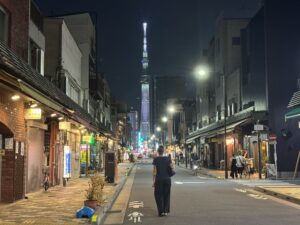
The neighbourhood extends beyond Nakamise. Kappabashi is known for kitchen equipment, knives, ceramics and the realistic food models displayed by Japanese restaurants. Kuramae has small design shops, coffee bars and workshops. The Sumida River provides a walking route towards Tokyo Skytree and the museums around Ryogoku.
We stayed in Asakusa long enough to experience the area after the day visitors had left. Its lower accommodation prices, direct airport connections and quieter evenings can make it a practical base. Our complete Asakusa guide explains where to stay, what to eat and how easily the area connects with the rest of Tokyo.
Ueno, Yanaka and Nezu
Ueno contains one of Tokyo’s principal museum clusters. The Tokyo National Museum, National Museum of Nature and Science, National Museum of Western Art and Ueno Zoo are all located in or beside Ueno Park.
One major museum is enough for most visitors during a single day. Trying to move through several collections leaves very little time for the rest of the district.
Ameyoko runs between Ueno and Okachimachi stations beneath and beside the railway tracks. The area combines market stalls, casual restaurants, cosmetics, clothing and food businesses. It is busiest during the late afternoon and before holidays.
Yanaka, Nezu and Sendagi form a quieter area west of Ueno. Temples, cemeteries, small galleries, houses and local shops survived periods of destruction that changed much of central Tokyo. Walking here provides a clearer view of Tokyo at residential scale.
Our guide to Ueno and Yanaka connects the museums and market streets with the slower neighbourhoods beyond the park.
Tokyo Station, Marunouchi and Nihonbashi
Tokyo Station is a major transport hub and a destination in its own right. Its restored red-brick Marunouchi façade faces a district of offices, hotels and broad avenues leading towards the Imperial Palace.
The Imperial Palace East Gardens can be visited when open, while the palace itself remains largely inaccessible outside specific public events and guided arrangements.
Inside and beneath Tokyo Station is an extensive network of shops, restaurants and food counters. The station has different sides, levels and underground connections, so allow additional time when catching a reserved train. “Tokyo Station” on a map does not indicate how far you may be from the correct Shinkansen platform.
Nihonbashi was historically the point from which road distances in Japan were measured. Its department stores, specialist shops and restaurants make it a useful continuation from Tokyo Station.
Ginza, Tsukiji and Toyosu
Ginza is associated with department stores, luxury retail, galleries, cocktail bars and high-end restaurants. It can still be explored on a moderate budget through department-store basements, lunch menus, stationery shops and free galleries.
The depachika food halls beneath major department stores contain prepared meals, pastries, fruit, sweets and specialist ingredients. They are excellent places to understand Japanese presentation and seasonal food, although most lack seating.
Tsukiji’s wholesale market moved to Toyosu in 2018. The outer market remains active with seafood businesses, restaurants and food stalls. It has also become extremely popular with visitors, so mornings can be congested.
Toyosu is the functioning wholesale market. Public observation areas allow visitors to see parts of its operation, while restaurants and shops occupy designated sections of the complex. Check access hours before travelling, since market activity begins early and many businesses close by afternoon.
Tsukiji works naturally with Ginza. Toyosu is better paired with Odaiba or another part of the bay.
Shibuya, Harajuku and Omotesando
Shibuya is a transport hub, commercial centre and reference point for music, fashion, nightlife and youth culture. The crossing is one small part of an area extending through Center Gai, Dogenzaka, Miyashita Park, Shibuya Parco and the redeveloped streets south of the station.
Shibuya Station has several levels, lines and construction areas. Always check the exit number or named destination before leaving the platform. Emerging on the wrong side can add twenty minutes to a short journey.
Shibuya Sky requires advance booking, particularly around sunset. Weather can affect access to the exposed rooftop, so read the ticket conditions carefully.
Cat Street connects the wider Shibuya area with Harajuku and Omotesando. Takeshita Street is busiest during the afternoon, while Meiji Jingu is better visited earlier, when its forested approach is quieter.
Omotesando changes the character of the day through architecture, galleries and more restrained commercial streets. Our Shibuya guide explains how to move beyond the crossing and use a full day in the district.
Shinjuku
Shinjuku is large enough to occupy an entire day. The station divides the area into distinct zones that should be approached separately.
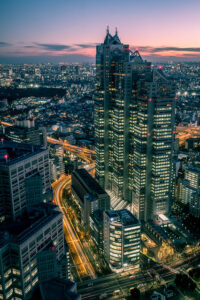
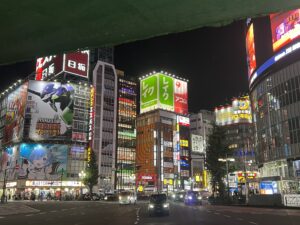
West Shinjuku contains office towers, hotels and the Tokyo Metropolitan Government Building. The east side leads towards shopping, Kabukicho, Golden Gai and Hanazono Shrine. South of the station are department stores, terraces and the route towards Shinjuku Gyoen.
Shinjuku Gyoen has Japanese, English and French landscape sections and provides useful space during an otherwise dense day. Opening days and admission hours should be checked in advance.
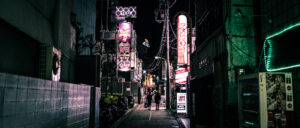
Omoide Yokocho and Golden Gai are compact nightlife areas rather than general restaurant districts. Some bars welcome visitors, while others depend on regular customers, limited Japanese or cover charges. Look for posted information and never assume that an empty seat means a bar is available to everyone.
Our detailed Shinjuku guide covers station orientation, gardens, observation points, food halls and the different nightlife areas.
Ebisu, Daikanyama and Nakameguro
These three neighbourhoods provide a slower continuation from Shibuya.
Ebisu has a strong restaurant and bar scene, with many places located on upper floors or below street level. Daikanyama is known for design shops, cafés, bookstores and low-rise streets. Nakameguro follows the Meguro River and becomes extremely busy during cherry-blossom season.
The river is pleasant outside the blossom period too, when shops, bakeries and residential streets are easier to appreciate without crowd-control systems.
This cluster works well during the second half of a Shibuya day or as a separate evening for travellers staying longer.
Roppongi, Azabudai and Tokyo Tower
Roppongi contains nightlife, international restaurants and two important art complexes: Roppongi Hills and Tokyo Midtown. The Mori Art Museum, National Art Center Tokyo and Suntory Museum of Art can be visited independently, though seeing all three in one day is demanding.
Azabudai Hills is a newer commercial and cultural development between Roppongi and Tokyo Tower. It can be combined with Azabu-Juban, whose shopping streets feel smaller and more residential.
Tokyo Tower remains useful for understanding the geography of southern and central Tokyo. The area is best combined with a museum, Zojo-ji Temple or an evening in Azabu rather than visited solely for the observation deck.
Western Tokyo
Shimokitazawa, Koenji and Kichijoji show different parts of western Tokyo outside the standard first-visit route.
Shimokitazawa has live music, theatres, vintage clothing and cafés. Koenji has a stronger connection to alternative music, second-hand shops and small bars. Kichijoji combines a busy commercial centre with Inokashira Park.
These areas should not be combined simply because they lie west of central Tokyo. Choose one and allow enough time to explore the streets around its station.
Kichijoji is also the closest major station to the Ghibli Museum in Mitaka. Museum tickets are limited and must be secured before building the day around the visit.
Planning Your Trip
Tokyo has two major airports: Haneda and Narita.
Haneda is closer to central Tokyo. The Tokyo Monorail connects it with Hamamatsuchō, while the Keikyu Line provides access towards Shinagawa and through-services to parts of central and eastern Tokyo.
Narita lies considerably farther away. The Keisei Skyliner is practical for Ueno and Nippori. The Narita Express serves Tokyo Station, Shinagawa, Shibuya, Shinjuku and other major stations. Airport buses can be useful when they stop directly at your hotel, particularly with luggage.
Choose the airport route according to your accommodation. Travelling to Tokyo Station first is unnecessary if a train or bus goes closer to the hotel.
When choosing where to stay:
- Asakusa works well for quieter evenings, culture and access to eastern Tokyo.
- Ueno is useful for Narita Airport, museums and JR connections.
- Shinjuku provides extensive transport and late-night activity.
- Shibuya is convenient for western Tokyo and nightlife.
- Tokyo Station and Ginza work well for Shinkansen journeys and central access.
- Ebisu and Shinagawa have strong rail connections with calmer surroundings.
- Smaller stations on useful lines can reduce accommodation costs without creating a difficult commute.
Distance from the station matters more than the neighbourhood name. A hotel advertised as “Shinjuku” may be a long walk from the lines you expect to use.
Book limited-capacity attractions as soon as dates are fixed. These may include Shibuya Sky, teamLab exhibitions, the Ghibli Museum, sumo tournaments, popular character cafés and certain observation decks.
For restaurants, small omakase counters, fine dining and famous specialist kitchens require reservations. Ramen shops, casual izakaya, curry restaurants and most teishoku restaurants usually work without them.
Our essential Tokyo planning tips cover accommodation, luggage, apps, payments, etiquette, photography and the small mistakes that consume time during a first visit.
Best Itinerary
A five-day itinerary should follow geographical clusters and include only one major timed attraction each day.
Day 1: Asakusa and Sumida
Begin at Sensō-ji before the main crowds arrive. Explore the temple complex, backstreets and Kappabashi before lunch.
Walk towards the Sumida River and continue to Tokyo Skytree or Ryogoku. Choose Skytree for views and shopping, or Ryogoku for sumo history and museums.
This is a useful first day after a long flight because much of it can be spent outdoors, with easy opportunities to return to the hotel if jet lag becomes difficult.
Day 2: Ueno, Yanaka and Akihabara
Visit one museum in Ueno Park during the morning. Continue through Ameyoko for lunch, then walk or take a short train journey towards Yanaka.
Spend the afternoon around Yanaka Ginza, Nezu and Sendagi. If energy remains, visit Akihabara in the evening, when its illuminated buildings and shops feel very different from residential Yanaka.
Day 3: Tokyo Station, Ginza and Tsukiji
Begin at Tsukiji Outer Market in the morning, before many food businesses close. Continue on foot to Ginza.
Use the middle of the day for department stores, galleries or a pre-booked lunch. Walk towards Tokyo Station and Marunouchi during the afternoon.
End the day around Nihonbashi, Yurakucho or the restaurants beneath the railway tracks near Tokyo Station.
Day 4: Shibuya, Harajuku and Omotesando
Start at Meiji Jingu, then move through Harajuku and Omotesando. Follow Cat Street towards Shibuya.
Spend the afternoon around Shibuya Parco, Miyashita Park and the streets surrounding the station. Book Shibuya Sky for late afternoon only if the weather forecast justifies building the day around a fixed time.
Stay in Shibuya for dinner or continue towards Ebisu.
Day 5: Shinjuku
Visit Shinjuku Gyoen in the morning, then explore the department stores and food halls around the station.
Continue to West Shinjuku for the towers and observation deck before returning to the east side in the evening.
Choose Omoide Yokocho, a neighbourhood izakaya or a ramen counter for dinner. Visit Golden Gai later if small bars are an important part of the trip.
With seven days, add Roppongi and Azabudai, then choose Odaiba, Toyosu or a western neighbourhood. Day trips should be added only after giving Tokyo itself enough time.
Getting Around Tokyo
Tokyo’s transport system is operated by several companies, including JR East, Tokyo Metro, Toei and private railway operators. Visitors do not need to memorise the companies before using the network.
Route-planning apps calculate transfers and fares. Check four details before boarding:
- The railway company
- The line name and colour
- The direction or terminal station
- The station exit closest to the destination
Station exits matter. Large stations such as Shinjuku, Shibuya, Tokyo and Ikebukuro function like underground districts, with shopping centres and passages between separate buildings.
A Suica, Pasmo or Welcome Suica card simplifies travel across trains, metro lines and buses. These IC cards can also be used in convenience stores, vending machines and many lockers. Current purchasing information for international visitors is available from JR East.
Tap in at the starting station and tap out at the destination. The correct fare is deducted automatically. Keep enough stored value on the card and use fare-adjustment machines if the balance is insufficient.
Tokyo Subway Tickets cover Tokyo Metro and Toei Subway for a fixed period. They do not cover JR lines, so calculate whether your planned journeys make the pass worthwhile.
Rush hour is most intense on weekday mornings and during the early evening commute. Avoid carrying large luggage at these times. Trains become quieter after the evening rush, though most services stop around midnight or shortly afterwards.
Taxis are clean, regulated and useful late at night, but long journeys are expensive. Rear doors usually open and close automatically.
A rental car is unnecessary. Parking, tolls and traffic make driving a poor choice for ordinary sightseeing, while trains reach every area included in this guide.
When to Visit Tokyo
Late October to November and March to May are the most popular periods for comfortable weather and seasonal scenery. Each also brings higher accommodation demand.
| Period | Conditions | Main considerations |
|---|---|---|
| March–April | Mild weather and cherry blossoms | High prices and unpredictable blossom timing |
| May | Warm days before peak humidity | Golden Week affects domestic travel |
| June | Rainy season and rising humidity | Fewer international visitors than spring |
| July–August | Very hot and humid | Festivals, fireworks and heat-related planning |
| September | Heat, humidity and typhoon risk | Weather disruption remains possible |
| October–November | Cooler, drier weather and autumn colour | One of the easiest periods for walking |
| December–February | Cold, dry and often clear | New Year closures and shorter days |
Cherry-blossom dates vary every year and can move considerably with the weather. Bookings based on long-range forecasts always carry a risk.
Golden Week falls around the end of April and beginning of May. Tokyo remains active, but trains, hotels and attractions across Japan become busier because of domestic travel.
Summer heat changes the structure of a day. Use early mornings for temples, gardens and outdoor neighbourhoods. Department stores, museums and long lunches provide relief during the hottest hours.
New Year has particular cultural importance in Japan. Shrines become crowded for hatsumode, while some museums, independent restaurants and shops close for several days around 1 January.
How Many Days in Tokyo?
Five days is the minimum for a first trip covering the principal areas. Seven days gives Tokyo enough room to become more than the arrival or departure point of a wider Japan itinerary.
| Length of stay | Realistic itinerary |
|---|---|
| 2–3 days | Three major geographical clusters |
| 5 days | Main eastern, central and western districts |
| 7 days | Main districts plus food, museums and residential areas |
| 10 days | Deeper neighbourhood travel and one or two day trips |
| 14 days | Extended Tokyo stay with several excursions |
Three days can work during a longer trip through Japan, but each day will need careful geographical planning.
Possible day trips include Kamakura, Yokohama, Nikko, Hakone, Kawagoe and Mount Takao. Each needs a complete day. Hakone and Nikko can justify an overnight stay, particularly when temples, hiking or an onsen are priorities.
Budget
Tokyo can be expensive at the top end, though everyday food and public transport remain reasonably priced for a major global capital.
A realistic daily budget per person, based on two people sharing accommodation, is:
| Travel style | Daily budget per person |
|---|---|
| Budget | ¥12,000–¥20,000 |
| Mid-range | ¥25,000–¥45,000 |
| Comfortable | ¥55,000 and above |
Accommodation creates the largest variation. Business hotels can provide compact, clean rooms near stations, while luxury hotels and traditional stays increase the daily total quickly.
A ramen, curry or teishoku meal may cost less than dining in many European capitals. Department-store food halls, bakeries and convenience stores make it easy to assemble an inexpensive breakfast or light dinner.
Transport costs accumulate through multiple short journeys but rarely dominate the budget. An IC card is a payment method rather than a discount pass.
Carry some cash. Card and contactless acceptance has increased substantially, while smaller restaurants, temple stalls, ticket machines and independent shops may still require yen. Convenience-store ATMs are among the most reliable places to withdraw money using international cards.
Culture and Etiquette
Tokyo is easy to visit when you pay attention to how shared spaces are being used.
Queue behind the floor markings at railway platforms. Let passengers leave before boarding. Keep phone conversations off trains and lower your voice in carriages.
Stand on the left side of escalators in most of Tokyo unless signs indicate a different arrangement. Increasingly, transport operators ask passengers to stand on both sides and avoid walking, so follow the local instruction rather than copying the crowd automatically.
Public rubbish bins are limited. Carry a small bag for wrappers until you reach the hotel, station or shop where the item was purchased.
Eating while walking depends on the setting. Some market and festival areas have designated spaces beside food stalls. In residential streets and crowded shopping areas, stop near the business and follow its instructions.
Photography restrictions are increasingly common in shrines, private alleys, shops and residential streets. A place being visible from a public street does not remove the need to respect signs and residents.
There is no need to perform exaggerated bows or use complicated phrases. A small nod, sumimasen for attracting attention or apologising, and arigatō gozaimasu for thanks are enough in most visitor interactions.
Our guide to experiencing Japanese culture in Tokyo covers shrines, traditional arts, neighbourhood life and ways to participate without treating local customs as a performance.
Food
Tokyo’s food is highly specialised. Many restaurants concentrate on one dish, one cooking method or one regional tradition. A tiny counter with a short menu can be a serious destination even when it has no elaborate design or international publicity.
Our Tokyo food guide explains the principal dishes, dining formats and practical etiquette. The city becomes easier to eat through once you recognise the main categories.
Food by Neighbourhood
Different areas have useful culinary associations:
- Asakusa for tempura, soba, unagi and traditional sweets
- Ueno and Ameyoko for tonkatsu, curry, yakitori and casual meals
- Ryogoku for chanko nabe and food connected to sumo culture
- Ginza for sushi, tempura, specialist counters and formal dining
- Tsukiji for informal seafood and market snacks
- Toyosu for wholesale-market restaurants and sushi
- Shinjuku for ramen, yakitori, izakaya and late-night food
- Shibuya for contemporary restaurants, casual sushi and department-store food
- Ebisu for izakaya, seafood and relaxed evening dining
- Monjayaki in Tsukishima, where the dish is cooked on a hotplate at the table
Our guide to what to eat in each Tokyo neighbourhood helps connect meals with the areas already included in your itinerary.
Sushi and Seafood
Tokyo-style sushi developed from Edomae traditions using seafood from the waters around historic Edo. Preparation may include curing, marinating, salting or cooking rather than serving every ingredient raw.
High-end omakase counters require advance planning and can have strict cancellation policies. They are one part of Tokyo’s sushi culture. Standing sushi bars, neighbourhood restaurants and conveyor-belt chains provide different levels of price, formality and interaction.
Tsukiji is useful for informal seafood eating. Toyosu is better for understanding the modern wholesale system. Arrive early at either location and respect photography restrictions around working businesses.
Ramen, Soba and Udon
Ramen shops frequently use ticket machines near the entrance. Select the dish, pay, take the ticket and give it to the staff when directed.
Broths and regional styles vary enormously. Tokyo has shoyu ramen, while shops throughout the city specialise in tonkotsu, miso, salt-based broths, tsukemen dipping noodles and newer styles.
Soba can be served hot or cold and has a longer relationship with Tokyo’s food history. Udon is thicker and appears in regional versions brought to the capital from across Japan.
Slurping noodles is normal. It cools the noodles and does not indicate poor manners.
Everyday Meals
A teishoku set normally includes a main dish, rice, miso soup and pickles. These meals are efficient, balanced and useful for understanding ordinary lunch culture.
Izakaya serve drinks and multiple small dishes. Some add an automatic appetiser called otoshi, which functions as a table charge. It is part of the bill rather than an unordered mistake.
Department-store food halls are useful for bento, sweets and prepared dishes, though seating is uncommon. Convenience stores provide onigiri, sandwiches, salads, noodles and hot snacks. They are practical for travel days and early breakfasts, but they should not replace Tokyo’s independent food culture.
Reservations and Dining Etiquette
Wait to be seated unless a sign or member of staff directs you to a counter. Place cash or cards in the payment tray when one is provided.
Tipping is not expected. Pay the amount shown and thank the staff.
Many small restaurants depend on quick turnover, particularly at lunch. Finish the meal and leave the seat once you are done. Cafés, hotel bars and longer dinner formats follow a different pace.
Solo dining is completely normal. Counter seating, individual ramen booths and one-person set meals make Tokyo one of the easiest cities for eating alone.
Travellers with allergies or coeliac disease should prepare a clearly translated card. Dashi may contain fish, sauces can contain wheat and staff may be unable to guarantee against cross-contamination even when a dish appears suitable.