

Cherry blossom season in Japan 2027 will most likely peak in Tokyo, Kyoto, and Osaka between late March and early April. Based on Japan Meteorological Agency averages, Tokyo reaches full bloom around March 31, Kyoto and Osaka around April 4, and Sapporo a month later, in early May. In 2026, Tokyo hit full bloom on March 28, three days ahead of average, so an early 2027 bloom is a real possibility. The first official 2027 forecasts arrive between mid-December 2026 and February 2027, and we update the dates below as they come out.
We have shared sake and onigiri with strangers under the trees in Tokyo, and we have watched one Kyoto rainstorm strip a bloom bare overnight. That is why our first rule for a cherry blossom trip is to plan a window, not a date: 10 to 14 days that follow the blossoms north. Below, you’ll find 2027 dates by city, the best places to see sakura, how hanami works, what to eat, and what changed for travellers in 2026.
When is cherry blossom season in Japan?
Cherry blossom season in Japan runs from late January in Okinawa to mid-May in eastern Hokkaido. For most travellers, the season that matters is late March to mid-April, when the Somei Yoshino cherry, Japan’s most common variety, blooms across Tokyo, Kyoto, Osaka, and Hiroshima.
The blossoms move north like a slow wave, which the Japanese call the sakura zensen, or cherry blossom front. A Somei Yoshino tree goes from first flowers to full bloom in about a week. Full bloom then lasts roughly another week, less if wind or rain arrive.
Two Japanese terms will help you read every forecast:
- Kaika (first bloom): declared when five or six flowers open on an official sample tree. Tokyo’s sample tree stands at Yasukuni Shrine.
- Mankai (full bloom): declared when about 80% of the buds on the sample tree have opened. This is the moment to be there.
Japan cherry blossom forecast 2027: dates by city
The table shows average first-bloom and full-bloom dates from the Japan Meteorological Agency, plus our best viewing window for 2027. Use the window to book. Then check the official forecast a few weeks before you fly. The Japan Meteorological Corporation usually publishes its first forecast in mid-December, then updates it weekly so we will update this table as frequently as possible.
| City | Avg. first bloom | Avg. full bloom | Best 2027 window |
| Fukuoka | March 22 | March 31 | March 26 – April 4 |
| Tokyo | March 24 | March 31 | March 26 – April 5 |
| Nagoya | March 24 | April 2 | March 28 – April 6 |
| Hiroshima | March 25 | April 3 | March 29 – April 7 |
| Kyoto | March 26 | April 4 | March 30 – April 8 |
| Osaka | March 27 | April 4 | March 30 – April 8 |
| Nara | March 28 | April 4 | March 31 – April 9 |
| Kanazawa | April 3 | April 8 | April 4 – April 12 |
| Sendai | April 8 | April 13 | April 9 – April 17 |
| Hakodate | April 28 | May 2 | April 28 – May 6 |
| Sapporo | May 1 | May 6 | May 1 – May 9 |
What the 2026 season tells us about 2027
In 2026, Tokyo’s first bloom came on March 19, and full bloom was declared on March 28, three days ahead of average and two days ahead of 2025. Kōchi opened the national season on March 16.
Warmer springs push the bloom earlier, and that trend is clear in Tokyo. However, a very mild winter can also delay blossoms. Cherry buds need a cold spell to wake from dormancy. That is why southern Kyushu often blooms later than Tokyo, even though it sits much further south. In 2026, Kagoshima’s first bloom came eight days after Tokyo’s.
Best places to see cherry blossoms in Japan
The best places to see cherry blossoms in Japan are Chidorigafuchi and Shinjuku Gyoen in Tokyo, the Philosopher’s Path and Maruyama Park in Kyoto, Mount Yoshino in Nara, Himeji Castle, and Hirosaki Castle in the north. The table compares when each one peaks and how to beat the crowds.
| Place | Typical peak | Why go | Crowd tip |
| Chidorigafuchi, Tokyo | Late March | Rowing boats under trees that hang over the Imperial Palace moat. | Go before 8 am. |
| Shinjuku Gyoen, Tokyo | Late March – late April | Dozens of varieties, so blossoms last for weeks. | Paid entry, no alcohol, calmer crowds. |
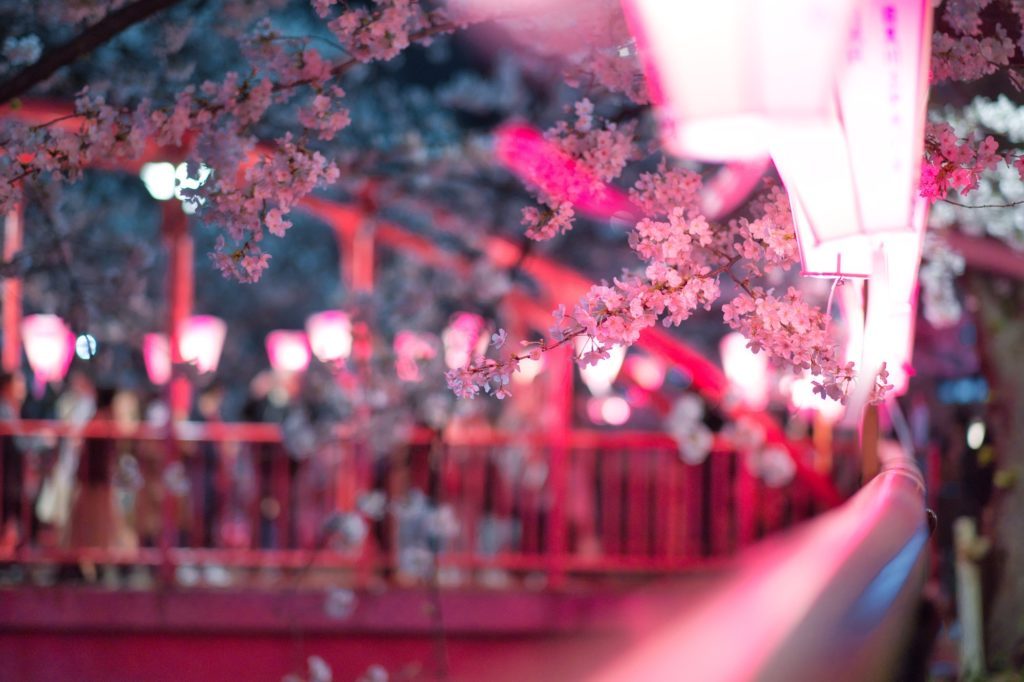
| Meguro River, Tokyo | Late March | Canal lined with trees, lit up at night. | Weekday evenings only. |
| Philosopher’s Path, Kyoto | Early April | Canal path linking quiet temples. | Start at the Ginkakuji end at 7 am. |
| Maruyama Park, Kyoto | Late March – early April | Huge weeping cherry, lit at night. | Pair with Gion after dark. |
| Mount Yoshino, Nara | Early – mid April | About 30,000 trees blooming in stages up the mountain. | Upper slopes peak a week later. |
| Himeji Castle | Early April | White castle framed by about 1,000 trees. | Arrive at opening. |
| Hirosaki Castle | Late April – early May | Petals carpet the moat in pink “rafts.” | Perfect if you miss the south. |
| Kawazu, Izu | February – early March | Early-blooming pink Kawazu-zakura. | Ideal for winter trips. |
About the Chureito Pagoda: Fujiyoshida cancelled its cherry blossom festival at Arakurayama Sengen Park in 2026, citing overtourism. The city has fewer than 50,000 residents, and the festival drew around 200,000 visitors. For a Mount Fuji and sakura view with less pressure on locals, try the northern shore of Lake Kawaguchi instead.
Some of our favourite hanami happened far from any famous spot. Small neighbourhood parks in Tokyo, a convenience-store picnic, and a few trees gave us more of the real atmosphere than the busiest viewpoints ever did.
How to join hanami in Japan
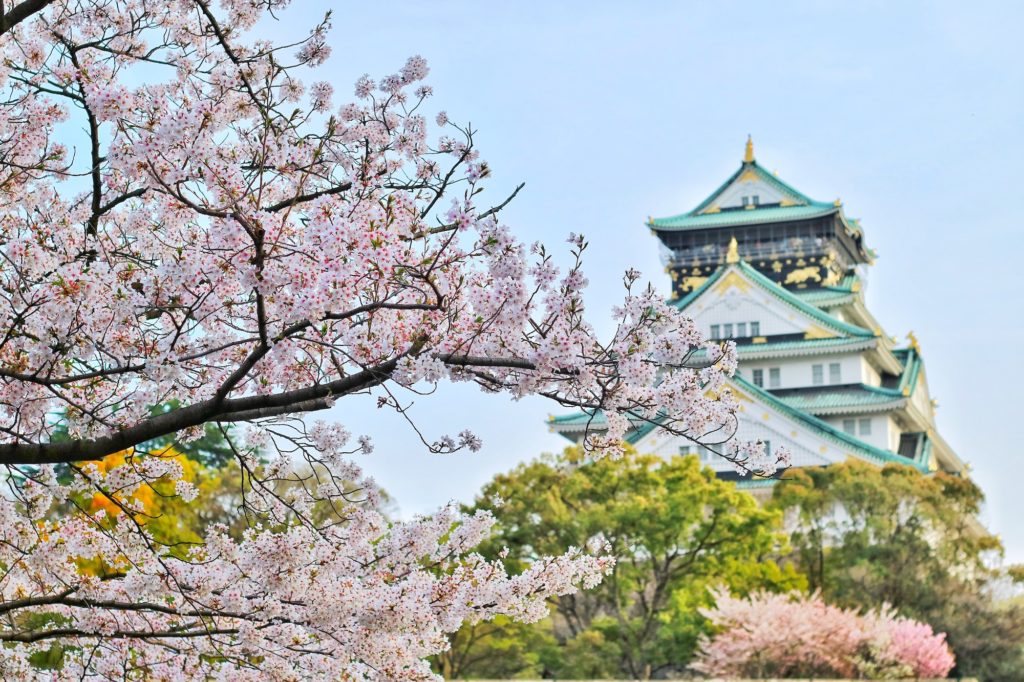
Hanami means “flower viewing,” and it is a picnic under the cherry trees with friends, colleagues, or family. Groups spread blue tarps on the grass, share food and drinks, and stay well into the evening. Night viewing is called yozakura.
Hanami is also wonderfully open. In Tokyo, a group next to us passed over sake and onigiri within minutes of sitting down. Follow these rules, and you will fit right in:
- Arrive early. At popular parks, groups claim spots from early morning on weekends.
- Check the park rules. Shinjuku Gyoen bans alcohol, and some parks limit tarps or close at night.
- Take your rubbish with you. Many parks have few bins, and leaving trash behind is a real offence to locals.
- Never shake branches or pick flowers. The trees are protected and fragile.
- Keep it quiet after dark in residential areas, especially along rivers like the Meguro.
What to eat during hanami
Hanami is as much a food event as a flower event. These are the seasonal foods we look for every spring.
| Food | What it is | Where to find it |
| Sakura mochi | Pink rice cake in a salted cherry leaf. Crepe-style in Tokyo, grainy rice in Kyoto and Osaka. | Wagashi shops, department store food halls. |
| Hanami dango | Three rice dumplings on a skewer: pink, white, and green. | Stalls in parks, convenience stores. |
| Hanami bento | Seasonal lunch box with spring vegetables and pink rice. | Department store basements, train stations. |
| Onigiri and karaage | Rice balls and fried chicken, the classic picnic duo. | Any convenience store. |
| Sakura drinks | Limited-edition cherry lattes, beers, and sake. | Cafés and convenience stores in March. |
Famous cherry blossom festivals in Japan
The most famous cherry blossom festivals in Japan stretch over almost four months. These are the ones worth planning a trip around:
- Kawazu Cherry Blossom Festival, Izu Peninsula: about 850 early-blooming trees along a river, usually from early February to early March.
- Takato Castle Park, Nagano: around 1,500 small, deep-pink Takato kohigan-zakura trees, usually in early to mid April.
- Mount Yoshino, Nara: blossoms climb the mountain over two to three weeks in April.
- Hirosaki Cherry Blossom Festival, Aomori: around 2,600 trees around a castle, usually from late April into Golden Week.
Planning a cherry blossom trip to Japan in 2027
Book flights and hotels for a cherry blossom trip to Japan six to nine months ahead. For late March 2027, that means booking now. Hotels in Kyoto and central Tokyo fill fast and raise prices sharply during peak weeks.
Four changes in 2026 affect your 2027 budget:
| Change | What it means for you |
| Japan Rail Pass price rise (October 1, 2026) | The 7-day ordinary pass now costs ¥53,000, up from ¥50,000. A Tokyo–Kyoto round trip alone does not justify it. |
| Departure tax tripled (July 1, 2026) | ¥3,000 per person when you leave Japan, up from ¥1,000. It is added to your ticket. |
| Kyoto accommodation tax (March 1, 2026) | From ¥200 to ¥10,000 per person per night, depending on room rate. A ¥20,000–¥49,999 room now adds ¥1,000 per person. |
| Chureito Pagoda festival cancelled (2026) | Expect crowd controls around Fujiyoshida. Respect local rules and residents. |
Other things to do in Japan in spring
Other things to do in Japan in spring
Spring is one of the best seasons in Japan beyond the blossoms. These are our favourite things to add to a sakura trip:
- Kyoto temples and shrines: Fushimi Inari and Kiyomizu-dera at opening time, before tour groups arrive.
- Hiroshima Peace Memorial Park: a moving visit, with cherry trees along the river in early April.
- Tokyo Tower: go once by day and once at night. We loved both views for completely different reasons.
- Toyosu Market: the tuna auction viewing deck and sushi breakfasts.
- An onsen night: Hakone is an easy hot-spring escape from Tokyo.
- Okinawa: warm beaches in late March and April, long after its own cherry season ends in February.
Is Japan worth visiting for cherry blossoms?
Yes, Japan is worth visiting for cherry blossoms, but go with your eyes open. Cherry blossom season is the most expensive and crowded time of year in Japan. Hotel prices in Kyoto and Tokyo can double during peak weeks. Famous spots like the Philosopher’s Path or Chidorigafuchi turn into slow-moving queues of selfie sticks. And much of what you see is a Japan staged for visitors: sakura-flavoured everything, matching kimono rentals, and photo spots with staff directing traffic. It can feel too touristy to be true, because often it is.
The weather won’t help either. Full bloom lasts about a week in each city, and one rainy night can end it. We learned that in Kyoto, when we went to bed under full blossoms and woke up to bare branches.
So, why go? Because the real season still exists, just not where the crowds are. It’s in neighbourhood parks, quiet riversides, and small temples nobody puts on a list. It’s in the moment when the office workers next to you on a blue tarp pass over a cup of sake. Skip the icons, or see them at 7 am and leave. Spend the rest of your days where locals actually do hanami. That’s the Japan worth the price.