

The best places to visit in Vietnam are Hanoi, Ha Long Bay, Ninh Binh, Sa Pa, Hue, Da Nang, Hoi An, Dalat, Ho Chi Minh City, and Phu Quoc. Two weeks is enough to see five or six of them if you travel north to south, from Hanoi to Ho Chi Minh City. The best time to visit Vietnam for a full north-to-south trip is February to April, because the north, the centre, and the south each have different weather.
We have travelled Vietnam extensively, and our honest take is simple. Its most famous places are not always its best. Ha Long Bay is crowded and polluted, and Hoi An can feel like a stage set. For each place below, you’ll find what is worth it, what is overrated, and the quieter alternative, plus a weather table by region, a two-week route, and what changed for travellers in 2027.
Best places to visit in Vietnam at a glance
| Place | Region | Best for | Days | Our honest verdict |
| Hanoi | North | Street food, old streets | 2–3 | Essential. Go out early. |
| Ha Long Bay | North | Limestone seascapes | 1–2 | Choose Lan Ha Bay instead. |
| Ninh Binh | North | Rice fields, river caves | 1–2 | Ha Long’s beauty, on land. |
| Sa Pa | Far north | Trekking, rice terraces | 2–3 | Walk out of town to find it. |
| Hue | Centre | History, royal food | 1–2 | Underrated and calm. |
| Da Nang | Centre | Beaches, base for the centre | 3–4 | The best base in central Vietnam. |
| Hoi An | Centre | Lanterns, old town | 1 | Visit, but sleep elsewhere. |
| Dalat | Highlands | Cool air, coffee, nature | 2 | A real change of pace. |
| Ho Chi Minh City | South | Food, energy, history | 2–3 | Loud, brilliant, essential. |
| Phu Quoc | South island | Beaches, snorkelling | 3–4 | Great now, busy building for 2027. |
The 10 best places to visit in Vietnam in 2027
1. Hanoi
Hanoi is the best place to start a trip to Vietnam, and it sets the tone immediately. The Old Quarter is a maze of scooters, coffee, and steam rising from noodle pots. Vendors sell everything from grilled pork to tiny cups of black coffee. It is messy and magnetic, and it never tries too hard to please.
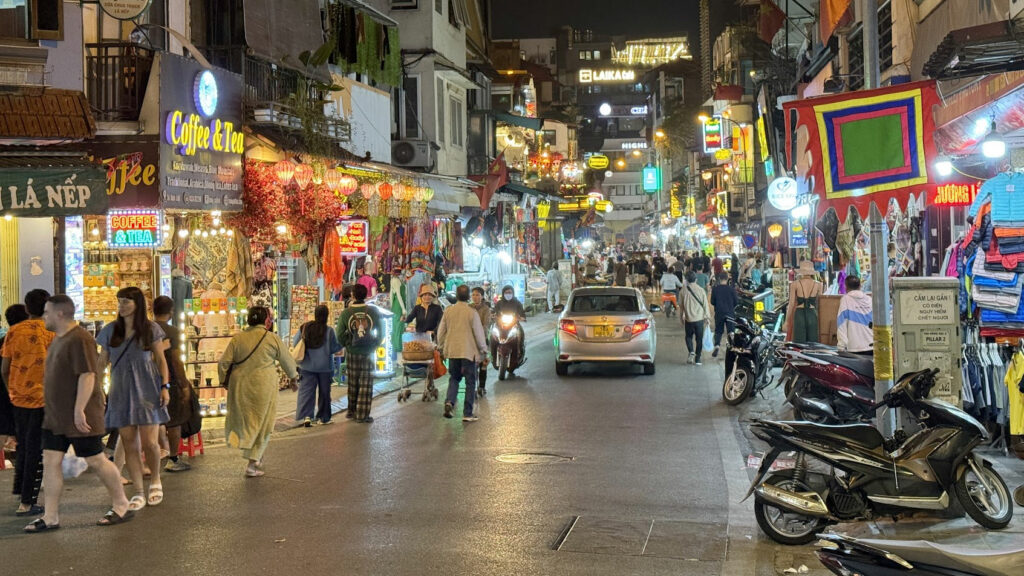
Around Hoan Kiem Lake, the city slows down. Locals stretch, walk, and talk under the trees, and the red bridge to Ngoc Son Temple glows at sunset. On Friday to Sunday evenings, the streets around the lake close to traffic. Hanoi works best early in the morning, when the first bowls of pho are served. Eat bun cha, pho, and egg coffee at least once.
2. Ha Long Bay (and quieter Lan Ha Bay)
Ha Long Bay is exactly as beautiful as it looks in photos, just about ten times busier and visibly polluted. The limestone karsts rising from green water are spectacular, but the crowds steal much of the magic. Ha Long is about 2.5 to 3 hours from Hanoi by expressway.
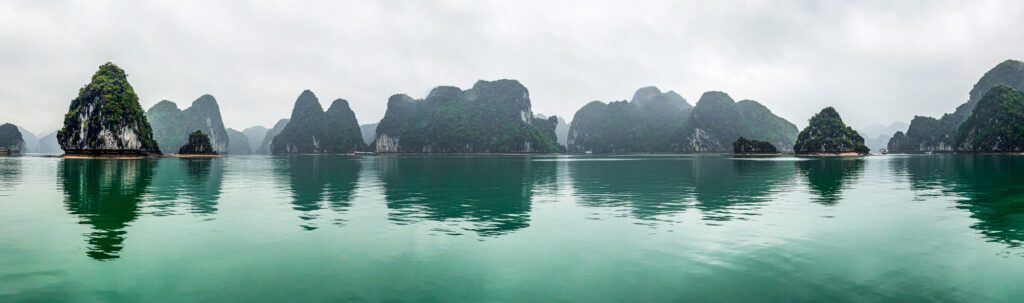
For a better experience, go to Lan Ha Bay, reached from Cat Ba Island. It belongs to the same UNESCO World Heritage Site, which was extended in 2023 to cover the Cat Ba archipelago, but it sees far fewer boats. Kayaking into hidden lagoons and waking up to mist on calm water makes an overnight cruise worth it.
3. Ninh Binh
Ninh Binh is the best day or overnight trip from Hanoi, about two hours south. People call it “Ha Long Bay on land,” and the nickname fits: limestone peaks rise straight out of rice fields and rivers. The Trang An Landscape Complex has been a UNESCO World Heritage Site since 2014.

Take a rowing boat through the caves at Trang An or Tam Coc, where local rowers often paddle with their feet. Climb the roughly 500 steps of Hang Mua for the view over the valley. The rice turns gold in late May and early June. Try com chay, crispy rice, and the local mountain goat.
4. Sa Pa
Sa Pa is the best place in Vietnam for trekking and rice terraces. The air is cooler, the mountains taller, and the pace slower. Buses from Hanoi take about five to six hours on the expressway, or you can take the overnight train to Lao Cai.

Sa Pa town has grown fast and busy, so the real experience starts once you walk out of it. Trekking through the Muong Hoa Valley takes you past Hmong and Red Dao villages, water buffalo, and children waving from the fields. The terraces are water-filled in May and golden in September. The weather can shift from sun to fog in an hour. It is raw and beautiful, and it does not pretend to be anything else.
5. Hue
Hue is the most underrated city in Vietnam, and the calmest stop on most routes. The Imperial City still stands behind thick walls and quiet gates, and it is part of the Complex of Hue Monuments, a UNESCO site since 1993. Plan one day for the citadel and the royal tombs along the Perfume River.

Hue’s food is delicate and balanced, shaped by the old royal kitchens. Order bun bo Hue, the spicy beef noodle soup, and banh beo, small steamed rice cakes. Then take the train to Da Nang, a 2.5-hour coastal ride that is one of the prettiest in the country.
6. Da Nang
Da Nang is the best base for exploring central Vietnam: modern, clean, and surprisingly laid-back. The Marble Mountains rise between the city and the sea, dotted with caves and small temples. My Khe Beach is one of the longest, most open stretches of sand in the country.

Da Nang has a great café culture, a food scene that goes far beyond tourists, and an international airport ten minutes from the beaches. Since Vietnam merged its provinces in July 2025, Hoi An is officially part of Da Nang city, and it is about 45 minutes away by car. Order mi Quang, the region’s turmeric noodles, and fresh seafood by the beach.
7. Hoi An
Hoi An is Vietnam’s most photographed town, and that is both its charm and its curse. The yellow walls, the restored Japanese Covered Bridge, and the lanterns that glow at night are undeniably beautiful. But the old town often feels more like a stage than a place where people live.
To enjoy it, arrive before 9 am or after dark. The old town ticket for international visitors costs VND 120,000. Walk along the Thu Bon River at night, eat a bowl of cao lau noodles, and let the reflections do the rest. Then move on. We always recommend sleeping in Da Nang and visiting Hoi An for an evening. Avoid October and November, when the old town often floods.
8. Dalat
Dalat is the best escape from Vietnam’s heat. It sits at about 1,500 metres in the Central Highlands, and it feels like another country: cooler, greener, and quieter. The old French hill station still has colonial villas and flower gardens, but the real draw is nature.

Go canyoning if you like adventure, or rent a motorbike and ride between coffee farms, pine forests, and lakes. Dalat takes its coffee seriously, and sitting in a café above misty hills is one of Vietnam’s small, perfect pleasures. Try banh trang nuong, grilled rice paper often called Vietnamese pizza, at the night market.
9. Ho Chi Minh City and the Mekong Delta
Ho Chi Minh City, still called Saigon by most locals, is Vietnam’s energy turned up to eleven. Glass towers stand beside colonial buildings, and temples sit next to rooftop bars. The food scene is huge and brilliant. Eat com tam, broken rice with grilled pork, and banh mi from street stalls, and let your coffee breaks run long.
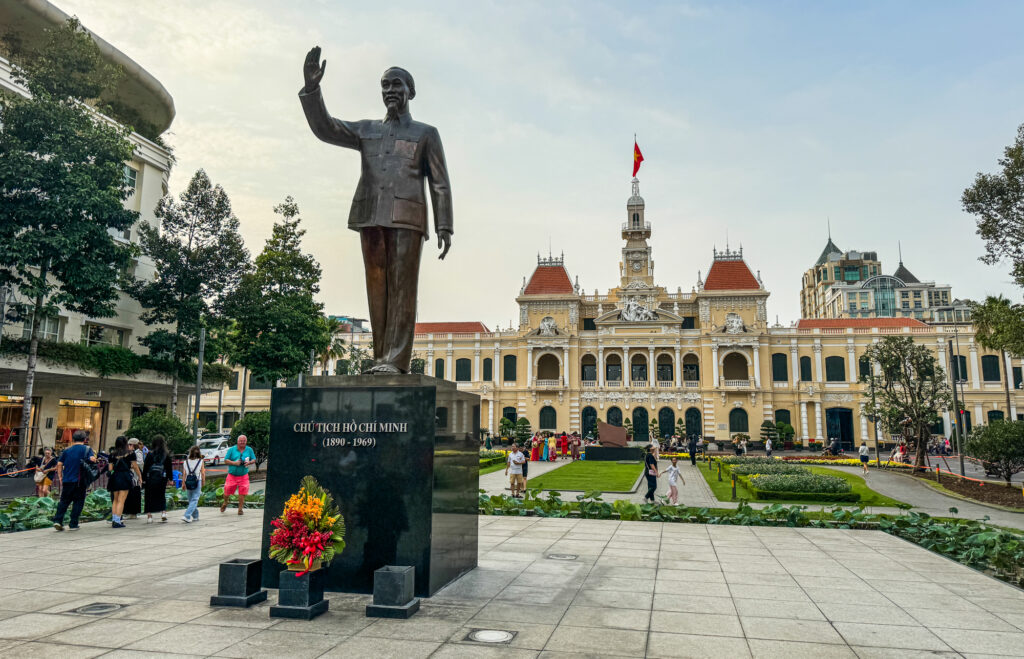
The War Remnants Museum is a powerful, difficult visit. The Cu Chi Tunnels are about two hours away. For the Mekong Delta, skip the rushed day tours and spend a night in Can Tho to catch the Cai Rang floating market at dawn.
10. Phu Quoc
Phu Quoc is Vietnam’s easiest beach escape, with warm turquoise water and long sandy beaches. The night market is lively and chaotic, with seafood grilled in front of you and cold beer. For snorkelling, head to the An Thoi islands in the south. For slow mornings, stay near Ong Lang Beach, which still feels small and calm.
Phu Quoc hosts the APEC Economic Leaders’ Week in 2027, so expect construction until then. A new airport terminal, a second runway, new roads, and a convention centre are all being built. Try goi ca trich, a fresh herring salad, and bring home a bottle of the island’s famous fish sauce.
Best time to visit Vietnam by region
There is no single month when all of Vietnam has perfect weather. The north has a cool winter, the centre has a heavy rainy season in autumn, and the south is hot all year with a dry and a wet season. February to April is the best compromise for a north-to-south trip.
| Region | Best months | Avoid | What to expect |
| North (Hanoi, Ha Long, Ninh Binh) | Oct–Dec, Mar–Apr | Jun–Aug | Grey, cool winters. Hot, humid summers. |
| Far north (Sa Pa) | Mar–May, Sep–Nov | Dec–Feb | Near-freezing nights in winter. |
| Centre (Hue, Da Nang, Hoi An) | Feb–Aug | Oct–Nov | Typhoons and floods in autumn. |
| Highlands (Dalat) | Dec–Mar | Jul–Sep | Mild all year, rainy in summer. |
| South (Saigon, Mekong, Phu Quoc) | Dec–Apr | Aug–Oct | Short, heavy afternoon rain in the wet season. |
How many days do you need in Vietnam?
You need at least two weeks in Vietnam to see the north, the centre, and the south without rushing. The country is more than 1,600 km long, so fly the long legs and use trains and buses for the short ones. This is the two-week route we recommend:
- Days 1–3, Hanoi: the Old Quarter, Hoan Kiem Lake, and a street food night.
- Days 4–5, Ninh Binh: boats at Trang An or Tam Coc, and sunset from Hang Mua.
- Days 6–7, Lan Ha Bay: an overnight cruise from Cat Ba Island.
- Days 8–11, Da Nang, Hue, and Hoi An: fly to Da Nang, take a day trip to Hue, and spend an evening in Hoi An.
- Days 12–14, Ho Chi Minh City: street food, the War Remnants Museum, and a night in the Mekong Delta.
With three weeks, add Sa Pa after Hanoi, Dalat after Da Nang, and four beach days on Phu Quoc at the end.
Vietnam travel tips for 2026–27
Five changes affect anyone planning a trip to Vietnam in 2027:
| Change | What it means for you |
| 45-day visa exemption | Citizens of the UK, Germany, France, Italy, Spain, the Nordic countries, Japan, South Korea, and more can stay 45 days without a visa, currently until 2028. |
| E-visa for everyone else | US, Canadian, and Australian travellers need an e-visa: up to 90 days, about USD 25 single entry. Apply only on the official evisa.gov.vn site. |
| New provinces (July 2025) | Vietnam merged 63 provinces into 34. Booking apps may show old names, so save your hotel’s map pin. |
| Long Thanh airport (from Dec 1, 2026) | Saigon’s new international airport, about 40 km east of the city. Long-haul flights move there from March 2027. Check which airport your ticket uses. |
| Phu Quoc visa-free entry | All nationalities can stay 30 days without a visa, but only when flying to the island directly from abroad. |
Beyond the paperwork, these are the tips we give every friend going to Vietnam:
- Plan your route one way. Go north to south or south to north, never back and forth.
- Mix your transport. Domestic flights are cheap and fast. Trains and buses fill the gaps.
- Use Grab. It works for taxis, motorbike rides, and food delivery in every big city.
- Eat where locals eat. Street food is part of the culture, not a backup option.
- Learn a few words. A simple “cảm ơn” (thank you) goes a long way.
- Pack for three climates. Layers for Hanoi and Sa Pa, swimwear for the south, and rain gear everywhere.
- Stay flexible. The best moments are often unplanned: a coffee stop, a missed turn, a chat that lasts longer than expected.
Seeing Vietnam your way
There is no single “best” Vietnam. Some of the places everyone recommends will disappoint you. Ha Long Bay can feel like a traffic jam on water, and Hoi An can feel like a film set. Others will surprise you, like a quiet morning in Hue or a lagoon in Lan Ha with no other boat in sight.
So, see the famous places, but do not build your trip around them. Give your time to the mornings, the side streets, and the long meals. That is where Vietnam stops performing for visitors and starts feeling like itself.