Italy Travel Guide
Written by Italians, this travel guide explains how to plan Italy by region, move between cities, choose the right season and eat according to local traditions.
Italy makes far more sense when you stop treating it as a list of famous cities. Rome, Florence and Venice belong to the same country, yet their history, food, pace and surrounding landscapes have little in common. Travel farther south, into the Alps or across to the islands, and the differences become even stronger.
We are Italian, and our knowledge of the country comes from growing up here, travelling through it and understanding the habits that rarely make it into conventional travel advice. We know why a restaurant can be excellent even when the service feels abrupt, why driving into the centre of an Italian city is usually a mistake, and why ordering the best-known Italian dish can be disappointing when it has no connection to the region you are visiting.
This page is the starting point for planning an Italy trip. It explains how the regions fit together, which places work well in the same itinerary, when a car is useful, how long to stay and how to approach Italian food. Our detailed city and restaurant articles provide the next layer once you know where you are going.
Regions
Italy has 20 regions, each with its own government, landscape, culinary traditions and strong local identity.
The administrative borders matter to travellers because they influence food, architecture, transport and daily life. A trip through Tuscany feels different from one through neighbouring Emilia-Romagna. Sicily and Sardinia need to be planned as destinations in their own right, while several northern cities can be joined efficiently by train.
| Area | Regions | Best for | Suggested time |
|---|---|---|---|
| Northwest | Valle d’Aosta, Piedmont, Liguria, Lombardy | Milan, Turin, lakes, Alps, wine, Cinque Terre | 7 to 12 days |
| Northeast | Trentino-Alto Adige, Veneto, Friuli-Venezia Giulia, Emilia-Romagna | Venice, Dolomites, Bologna, historic towns, food | 7 to 14 days |
| Central Italy | Tuscany, Umbria, Marche, Lazio | Florence, countryside, hill towns, Rome, Adriatic coast | 10 to 14 days |
| Southern Italy | Abruzzo, Molise, Campania, Puglia, Basilicata, Calabria | Naples, archaeological sites, villages, beaches, regional food | 10 to 18 days |
| Islands | Sicily and Sardinia | Coast, archaeology, mountains, island culture and food | 7 to 14 days per island |
Rome and Lazio
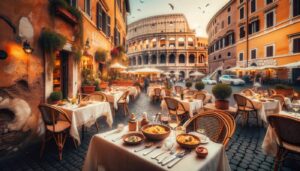
Rome needs at least three full days and deserves four or five if it is your first visit. The historic centre contains the best-known monuments, while neighbourhoods such as Testaccio, Garbatella and parts of Ostiense show a more everyday side of the city.
Lazio continues well beyond Rome. Tivoli, the Castelli Romani, the Etruscan towns north of the capital and the coast around Gaeta can all extend a city stay. Public transport works for some excursions, though a car becomes useful once you move away from the main railway lines.
Start with our Rome travel and food section when planning the city. It brings together the local articles that help with neighbourhoods, eating and the practical choices behind a Rome stay.
Naples and Campania
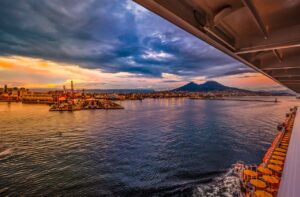
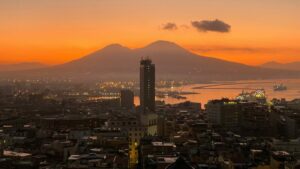
Naples should never be reduced to a stop on the way to Pompeii or the Amalfi Coast. It has one of Italy’s most distinctive historic centres, an unusually strong street culture and a food tradition that can occupy an entire trip.
The city is the practical base for Pompeii, Herculaneum and the islands of the Bay of Naples. The Amalfi Coast lies within the same region, though transfers take longer than distances suggest. Buses and roads become congested in summer, while ferries depend on weather and season.
Our Naples travel and food section is the best place to continue planning. Spend at least two full days in Naples itself before adding archaeological sites or the coast.
Tuscany, Florence and central Italy
Florence is compact, but its concentration of museums, churches and Renaissance art makes rushed visits tiring. Two full days cover the main sights; three allow for slower neighbourhood walks, markets and meals.
The Tuscan countryside requires a different plan. Florence, Siena, Lucca, Arezzo and Pisa are connected by public transport, although trains do not serve every hill town or wine area efficiently. Rent a car for rural Tuscany and return it before entering Florence.
Umbria and Marche receive fewer international visitors than Tuscany while providing medieval towns, mountain scenery and strong regional cooking. Perugia, Assisi and Orvieto work by train. Smaller Umbrian villages and the Marche countryside are easier by car.
Bologna and Emilia-Romagna
Bologna is one of the most useful stops on a north-to-south itinerary. It sits on the high-speed railway between Milan, Florence, Venice and Rome, and its historic centre can be explored without a car.
Emilia-Romagna is also one of the country’s most important food regions. Parma, Modena, Reggio Emilia, Ferrara and Ravenna are close enough for a focused regional trip. Bologna makes a practical base for several of them, though staying overnight in smaller cities gives you quieter evenings and a better sense of local life.
Venice and the northeast
Venice deserves at least two nights. The city changes after day visitors leave, and early mornings are far calmer than the middle of the day. Staying on the islands is more expensive than sleeping in Mestre, but it removes the daily commute and lets you experience Venice at its best hours.
The wider northeast includes Verona, Padua, Vicenza, the Prosecco hills, Friuli and the Dolomites. Trains are excellent between the cities. A car is useful for mountain valleys, rural wine areas and smaller towns.
The Dolomites need their own schedule. Driving times are slow, weather can change quickly and mountain lifts operate seasonally. Avoid squeezing them into a single day between Venice and another major city.
Milan, Piedmont and Liguria
Milan is Italy’s business and design centre as well as a major transport gateway. Two days are generally enough for a first visit, with extra time for Lake Como, Bergamo or other towns in Lombardy.
Piedmont is ideal for Turin, wine country and food. Turin can be reached easily by train; the Langhe around Alba and Barolo are more practical with a car or an organised driver, particularly if wine tasting is involved.
Liguria runs along a narrow coast where driving and parking can become difficult. Trains are usually the best way to visit the Cinque Terre. Genoa, Camogli, Santa Margherita Ligure and other coastal towns can also be connected by rail and boat.
Puglia, Basilicata and Calabria
Southern Italy requires more time than its map suggests. Railway services are slower outside the main routes, rural accommodation can be spread out, and many of the most interesting places are small towns rather than major cities.
Puglia works well as a road trip. Bari and Lecce are connected by train, while villages, masserie, beaches and parts of the Valle d’Itria are easier to reach by car. Matera in Basilicata can be included with Puglia, although it deserves at least one night.
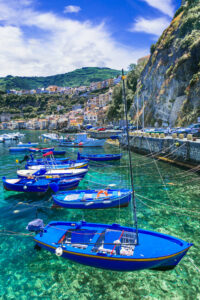
Calabria is long, mountainous and poorly suited to a hurried itinerary. Choose one coast or a compact area rather than attempting the whole region. Tropea and the Costa degli Dei are useful choices for a first visit.
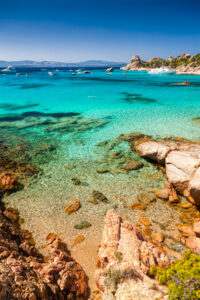
For a coastal trip, our selection of Italian beach destinations covers places in Campania, Calabria, Sicily, Lazio, Basilicata, Puglia, Marche, Tuscany and Sardinia.
Sicily and Sardinia
Sicily and Sardinia are separate trips rather than additions to a mainland itinerary.
Sicily combines large cities, Greek and Roman sites, Baroque towns, volcanic landscapes and long stretches of coast. A complete circuit needs at least two weeks. With seven to ten days, choose either eastern Sicily or the Palermo and western Sicily area.
Sardinia is larger and more mountainous than many visitors expect. The island is famous for its sea, yet its inland towns, archaeological sites and food provide much of its character. One week works for a section of the island. Ten days gives you time to combine coast and interior without changing accommodation every night.
Our article on the best beaches in Italy includes several beaches in Sicily and Sardinia, along with practical information about public access and private beach establishments.
Planning your trip
The easiest Italy trip combines places on the same railway line or concentrates on one region.
A common planning error is counting nights without accounting for transfers. A two-night stay usually gives you one complete day. Even a short train journey can consume half a day once check-out, station transfers, luggage and check-in are included.
Choose two or three fixed bases for a one-week trip. With two weeks, four or five bases are manageable if the route follows a clear geographical direction.
Use trains for the major cities
High-speed trains connect Turin, Milan, Bologna, Florence, Rome, Naples and Salerno. Venice also fits easily into this network. For a trip centred on these cities, a rental car creates parking problems and unnecessary expense.
Book high-speed services ahead when your dates are fixed. Fares usually rise closer to departure, and discounted tickets may restrict changes. Regional trains are more flexible, though journey times are longer and ticket conditions vary. Check whether a paper ticket needs validation or a digital ticket requires an online check-in.
Fly into one city and home from another
An open-jaw flight can save a full day of backtracking. For example, fly into Venice or Milan and leave from Rome or Naples. The same principle works for a southern itinerary that begins in Naples and ends in Bari.
Before booking, compare the cost of the flights with the time and price of returning to the original airport. A cheaper return ticket may stop looking attractive after adding a final hotel night and a long train journey.
Reserve major attractions
Italy’s most visited museums and monuments use timed admission. Availability can disappear well in advance during holidays and peak travel months.
The Vatican Museums, Colosseum, Uffizi Gallery, Accademia Gallery and Leonardo da Vinci’s Last Supper are among the places that require early planning. Buy from official ticketing websites wherever possible. Resellers can be useful when official tickets have sold out, but they often add a significant markup.
Stay close to transport, within reason
Sleeping directly beside a railway station can be convenient, though station districts vary considerably from city to city. Check the specific streets and walking route rather than judging an entire neighbourhood by its name.
In Rome, proximity to a Metro station can be more useful than staying beside Termini. In Florence and Bologna, the historic centres are compact enough to walk. In Venice, consider how many bridges you will cross with luggage. In Naples, access to the Metro can make a substantial difference.
Allow for Italian schedules
Lunch usually begins around 12:30 or 13:00, with dinner from 19:30 onward. In southern Italy, many people eat later, especially in summer. Restaurants may close one or two days each week, and family-run businesses can take longer seasonal breaks.
August requires extra preparation. Coastal destinations and mountain resorts are busy, while some independent businesses in large cities close around Ferragosto on 15 August. Major tourist attractions remain active, but the pattern of daily life changes.
A coperto, or cover charge, is common in restaurants and should appear on the menu. Tipping is appreciated for very good service, though the percentage-based expectations found in the United States do not apply.
Best itinerary
A strong first trip to Italy follows one direction and uses trains between Venice, Bologna, Florence, Rome and Naples.
The following two-week route introduces several distinct parts of the country without requiring a car.
| Days | Base | Plan |
|---|---|---|
| 1–2 | Venice | Explore San Marco early, cross into quieter districts and spend an evening after the day crowds leave |
| 3 | Bologna | Travel by train, walk the porticoes and eat in the historic centre |
| 4–6 | Florence | See the main museums and use the third day for Florence itself or a Tuscan day trip |
| 7–10 | Rome | Allow four nights for ancient Rome, the Vatican, the historic centre and neighbourhoods beyond the main sights |
| 11–14 | Naples | Explore Naples, visit Pompeii or Herculaneum and add one carefully chosen coastal or island excursion |
This route works best with a flight into Venice and a departure from Naples or Rome. Reversing the order is equally practical.
Four nights in Rome may appear generous until you account for the size of the city and the time needed for the Vatican and archaeological sites. Our Rome section can help you decide where to focus instead of crossing the city repeatedly.
Naples needs time on foot before you use it as a base. Dedicate your first full day to the historic centre and surrounding neighbourhoods. Add Pompeii or Herculaneum on another day, then decide whether the remaining time belongs to Naples, an island or the coast.
A 10-day Italy itinerary
For ten days, choose Venice, Florence and Rome. Spend two nights in Venice, three in Florence and four in Rome, using the remaining time for transfers.
Adding Naples creates a faster trip with too many hotel changes. If southern Italy matters more to you, choose Rome and Naples instead and include Pompeii, Herculaneum or part of Campania.
A 7-day Italy itinerary
One week is enough for one region or two well-connected cities.
Good combinations include Rome and Naples, Florence and Rome, Venice and Bologna, or Bologna and Florence. A week can also be spent entirely in Sicily, Puglia, Tuscany or Sardinia, provided you concentrate on one part of the region.
Driving in Italy
A car is useful in the countryside, on the islands and in parts of southern Italy; it is a liability in the centres of Rome, Florence, Naples, Milan, Bologna and Venice.
Italian historic centres frequently contain a zona a traffico limitato, known as a ZTL. Cameras record unauthorised vehicles, and fines may arrive through the rental company months later. Hotel access inside a restricted zone is sometimes permitted, but the hotel must register the vehicle correctly.
Rent a car after finishing the city portion of your trip. If you are travelling from Florence into rural Tuscany, collect it on the morning you leave Florence. Return it before entering your next major city.
Motorways charge tolls on many routes. Keep the ticket collected at the entrance and use the correct payment lane when exiting. Fuel stations outside motorways may close for lunch or operate with unattended payment machines, so carry a physical bank card and know the vehicle’s fuel type.
Driving styles vary. Northern motorways can be fast and aggressive, while southern towns may require patience on narrow or poorly marked streets. The Amalfi Coast is particularly demanding because of buses, scooters, tight bends and limited parking. A ferry, train or local driver is often more practical there.
International driving permit requirements depend on the licence you hold. Check the rules with the Italian authorities and your rental company before departure.
When to visit
April to June and September to October are the most flexible periods for an Italy trip involving cities, countryside and food.
There is no single best month for the entire country. The Alps, Po Valley, central cities, southern coast and islands experience very different conditions.
| Period | Best for | What to consider |
|---|---|---|
| March to April | Art cities, spring landscapes, lower-season travel | Easter creates busy periods; mountain and beach services remain limited |
| May to June | Cities, countryside, walking and early beach trips | Demand rises quickly in Rome, Florence, Venice and coastal areas |
| July to August | Beaches, islands, mountains and festivals | Cities can be extremely hot; prices and crowds peak around Ferragosto |
| September to October | Food, wine regions, cities and warm southern weather | Harvest periods are popular and no longer reliably inexpensive |
| November to February | Museums, winter food, Christmas events and skiing | Shorter days, rain and seasonal closures in coastal destinations |
July and August make sense for a beach holiday or time in the mountains. They are harder months for a city itinerary through Rome, Florence and Naples because long outdoor visits become exhausting in the heat.
May, June, September and early October are usually better for a mixed trip. Coastal services may be limited in May and October, particularly in smaller resorts. Sicily and parts of southern Italy often retain warmer weather later in the year, though sea and air temperatures are never guaranteed.
Winter is good for travellers interested in cities and food. Rome, Naples, Bologna and Turin remain active throughout the year, while many coastal resorts become very quiet. Venice has its own seasonal complications, including winter damp, high-water events and the busy Carnival period.
How many days
Ten days is a practical minimum for a first trip involving three Italian cities, while two weeks allows a more balanced north-to-south route.
| Trip length | What works |
|---|---|
| 3–4 days | One city such as Rome, Florence, Naples, Bologna, Milan or Venice |
| 7 days | One region or two cities connected by direct train |
| 10 days | Three major cities or one city combined with a regional road trip |
| 14 days | Four or five bases along one geographical route |
| 21 days | Two substantial regional trips or a broader north-to-south journey |
Rome needs at least three full days. Venice needs two nights. Florence takes two or three days, depending on your interest in museums. Naples needs two full days before adding Pompeii, Herculaneum or the coast.
Tuscany, Puglia, Sicily and Sardinia each justify a dedicated holiday. Seven days provides an introduction; ten to fourteen days makes driving and changing bases less tiring.
If you have only one week, accept that you are visiting part of Italy. You will understand that part much better than you would after racing through five famous cities.
Budget
A mid-range Italy trip usually requires €180 to €300 per person per day when two people share a room, with Venice, Rome, Florence, the Amalfi Coast and the Italian lakes often costing more.
These figures are planning ranges rather than fixed prices:
| Travel style | Approximate daily budget per person | What it generally covers |
|---|---|---|
| Budget | €100–€150 | Hostel or simple shared room, regional transport, casual meals and limited paid attractions |
| Mid-range | €180–€300 | Shared hotel room, high-speed trains, restaurants and major admission tickets |
| Comfortable | €350+ | Central accommodation, flexible transport, private activities and higher-end dining |
Solo travellers should expect a higher per-person accommodation cost because Italian hotel rooms are generally priced by room rather than divided between guests.
Accommodation varies sharply by destination and date. Venice during Carnival, Rome around Easter, Florence during major events and coastal resorts in August can exceed the usual seasonal range.
High-speed train tickets are cheaper when purchased early. Regional trains generally have fixed or less variable fares. Renting a car adds fuel, tolls, parking and insurance, so compare the full cost rather than the headline rental price.
City taxes are often charged separately by the accommodation. Beach establishments can also become a significant expense. Italy has free public beaches, but the most convenient sections may be managed by private stabilimenti that charge for umbrellas and loungers.
Food can remain reasonable if you follow local habits. Breakfast at a bar, pizza, focaccia, takeaway dishes and fixed-price weekday lunches cost far less than eating every meal beside a major attraction. Save your larger budget for restaurants or regional experiences that matter to you.
Food
Italian cuisine is regional, and the best thing to order is usually the dish associated with the town, province or region you are visiting.
Italy does not eat from one national menu. Fresh pasta is central in parts of Emilia-Romagna, while dried pasta has deeper roots in the south. Butter, rice and polenta appear frequently in northern cooking. Olive oil, tomatoes, vegetables and wheat become more prominent as you travel south, with countless local exceptions.
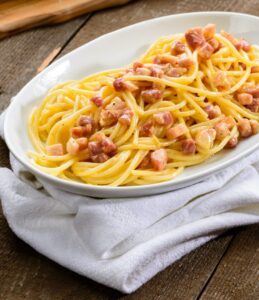
Even dishes known throughout the world have a precise home. Carbonara belongs to Rome. Pizza napoletana belongs to Naples. Pesto comes from Liguria. Tortellini are tied to Emilia. Ordering these foods in their place of origin gives you a clearer understanding of the ingredients and technique behind them.
| Region or area | Foods to look for |
|---|---|
| Piedmont | Agnolotti, vitello tonnato, bagna càuda, hazelnuts, truffles |
| Liguria | Pesto, focaccia, farinata, pansoti |
| Lombardy | Risotto alla Milanese, ossobuco, polenta, cotoletta |
| Veneto | Cicchetti, baccalà mantecato, risotto, bigoli |
| Emilia-Romagna | Tortellini, tagliatelle, Parmigiano Reggiano, prosciutto, traditional balsamic vinegar |
| Tuscany | Ribollita, pappa al pomodoro, panzanella, bistecca alla Fiorentina |
| Lazio | Carbonara, amatriciana, gricia, cacio e pepe, artichokes, supplì |
| Campania | Neapolitan pizza, pasta alla Genovese, mozzarella, fried foods, sfogliatella |
| Puglia | Orecchiette, focaccia barese, panzerotti, vegetables, raw and cooked seafood |
| Calabria | ’Nduja, Tropea onions, cured pork, chillies |
| Sicily | Arancini or arancine, pasta con le sarde, caponata, couscous, cannoli, granita |
| Sardinia | Culurgiones, fregola, porceddu, pane carasau, seadas |
Eating in Rome
Roman cooking is direct, rich and closely tied to a small group of ingredients. Pecorino Romano, guanciale, black pepper, offal, artichokes and seasonal vegetables appear repeatedly.
Our overview of what to eat in Rome explains the dishes and their place within local cooking. It is useful to read before choosing restaurants because many menus in the historic centre present a generic version of Roman food.
Carbonara, gricia, amatriciana and cacio e pepe look simple on paper, yet the balance of pasta water, cheese, rendered fat and heat makes them easy to execute badly. If carbonara is a priority, use our locally researched Rome carbonara recommendations rather than ordering it at the first restaurant beside a monument.
For a broader selection across neighbourhoods and price levels, our Rome restaurant guide is designed to help you choose places according to the kind of meal you want.
Eating in Naples
Pizza is essential in Naples, but it occupies only one part of the city’s food culture. Pasta e patate, pasta alla Genovese, ragù, seafood, fried snacks, babà and sfogliatella all belong in a serious visit.
Our article on what and where to eat in Naples provides the wider picture. Use it to plan several different meals rather than eating pizza every evening.
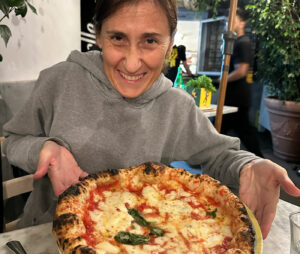
When you are ready for pizza, the best pizzerias in Naples include historic institutions and newer places with a more contemporary approach. Neapolitan pizza is soft in the centre and cooks very quickly at high heat. It is usually eaten with a knife and fork at first, then folded or picked up as you continue.
How to choose where to eat
Menus make more sense when they reflect the region and season. A restaurant in Bologna serving a focused selection of Emilian dishes is generally a more useful choice than one advertising every famous dish from across Italy.
Look at what people around you are ordering. Ask which dishes are prepared that day. In coastal towns, check whether fish is priced by weight before ordering. In market areas, remember that a busy location can be popular with visitors and still be good, so judge the cooking and menu rather than relying on simplistic rules about tourist streets.
Italian meal structure includes antipasto, primo, secondo, contorno and dessert, but ordering every course is unnecessary. A primo followed by dessert, or a secondo with a vegetable side, is perfectly normal. Pasta is usually a course of its own rather than an accompaniment to meat.
Breakfast is commonly coffee with a cornetto or another pastry, often consumed at the counter. Aperitivo includes a drink and something small to eat, though its size varies by city and venue. It should not automatically be treated as a complete dinner.
Italy also has a substantial contemporary dining scene. Chefs are revisiting regional ingredients, agricultural traditions and classic recipes without abandoning their origins. Travellers planning food-led journeys can use our updated list of Michelin-starred restaurants in Italy to see how those restaurants are distributed across the regions.
The most reliable way to eat well in Italy is simple: understand where you are, learn what that place cooks, and order accordingly.