

In Rome, food isn’t just part of life: it is life. Every meal, from a quick espresso to a Sunday lunch that lasts all afternoon, reflects centuries of tradition and the rhythm of daily living.
Forget Fettuccine Alfredo (no Roman would ever order it). What matters here are the dishes that have shaped the city’s kitchens for generations: simple recipes made from local ingredients, cooked with care, and shared with pride.
For us, this isn’t just food. It’s family and culture. We grew up with the sounds and smells of Roman kitchens, where every recipe carries a story and every meal begins with good ingredients and honest intentions. Roman food is confident but never pretentious, full of flavor and deeply tied to history.
In this guide, we’ll show you what truly defines eating in Rome: the pastas that anchor every meal, the street food that keeps the city moving, and the dishes locals return to again and again. No gimmicks, no shortcuts. Just the real flavors that make Roman cuisine timeless.
Cacio e Pepe
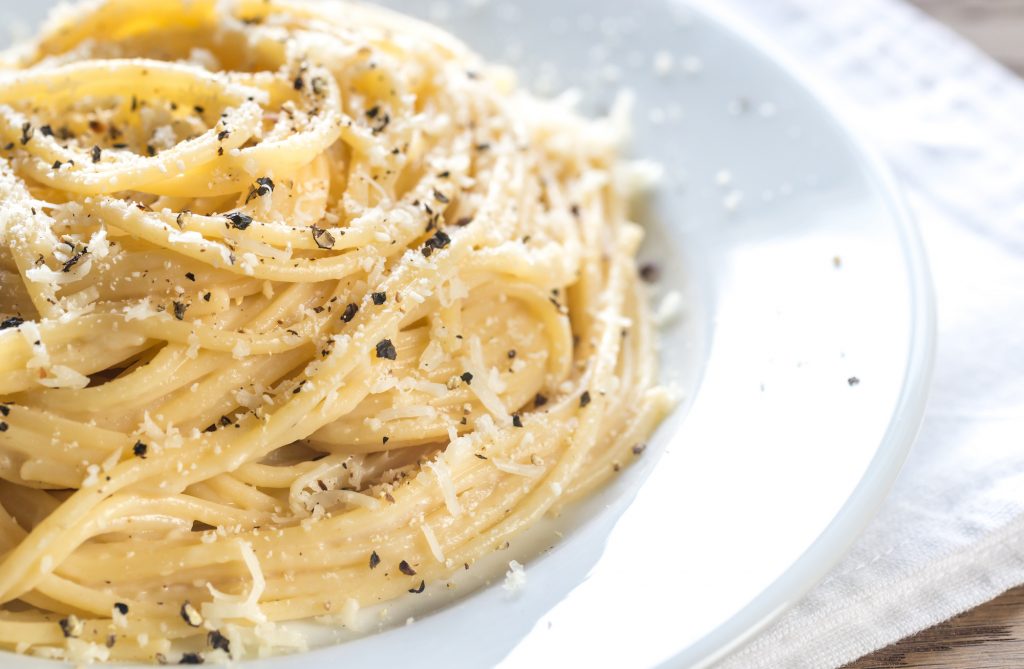
Few dishes capture the spirit of Rome like Cacio e Pepe. Just pasta, cheese, and black pepper — nothing more, nothing less. The secret isn’t the ingredients but the technique. The cheese melts into the starchy pasta water to form a creamy coating that clings to every strand. The pepper gives it heat and rhythm. When done right, it’s silky, bold, and completely addictive. No cream, no butter — just skill and timing, exactly as Romans have always made it.
Carbonara
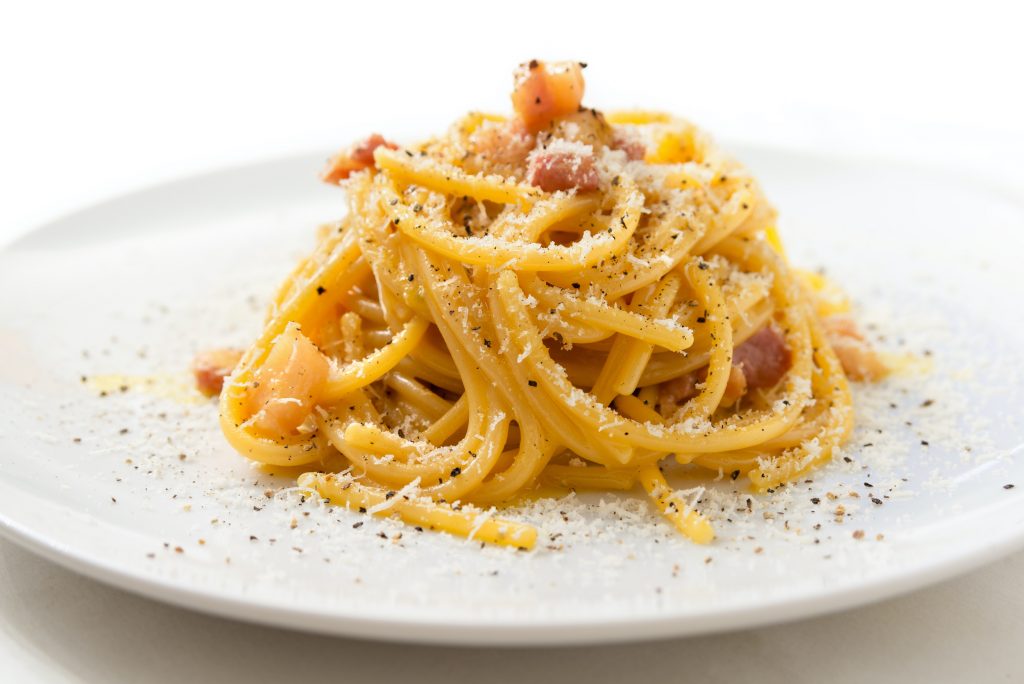
If there’s one Roman dish that divides opinions outside Italy, it’s Carbonara — mostly because it’s so often done wrong. The real thing uses eggs, Pecorino Romano, guanciale, and black pepper. That’s it. No cream, no onions, no shortcuts. The magic is in the moment when the eggs and cheese meet the hot pasta, forming a sauce that’s rich without being heavy. When you taste it in Rome, you understand why this dish has survived every trend: it’s indulgent, simple, and perfect.
Our local guide on the places where to eat carbonara in Rome is the perfect starting point for your exploration.
Amatriciana
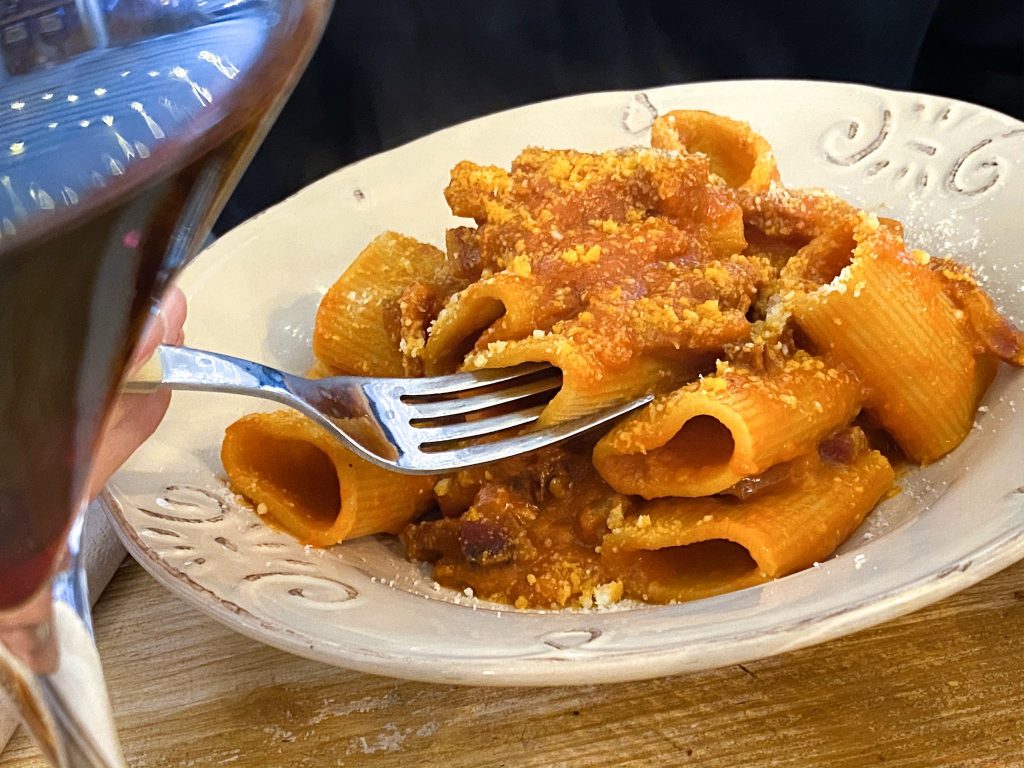
Amatriciana is fiery, flavorful, and proud of its roots. It comes from the town of Amatrice, but it’s become a Roman classic. Made with guanciale, tomato, Pecorino Romano, and a touch of chili, it’s the perfect mix of salty, tangy, and spicy. Traditionally served with bucatini, it’s one of those dishes that fills the room with its aroma long before it hits the table.
Gricia
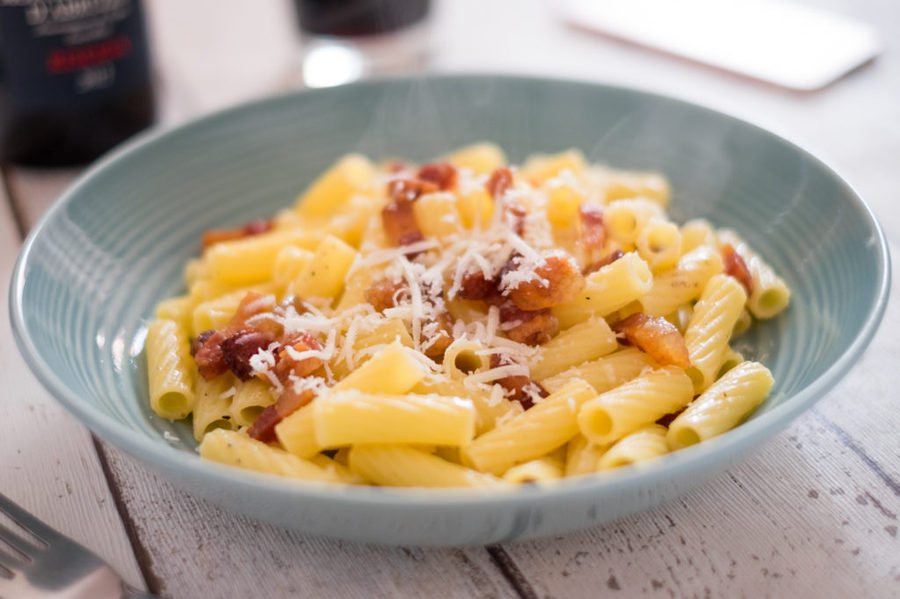
Before there was Carbonara or Amatriciana, there was Gricia. Sometimes called la bianca — the white one — it’s made only with guanciale, Pecorino Romano, and black pepper. It’s pure and unpretentious, with nothing to hide behind. The fat from the guanciale melts into the pasta, the cheese binds it all together, and the pepper wakes it up. This is Roman food at its most essential: no extras, just flavor and confidence.
Read our local guide on the best pasta dishes to eat in Rome.
Saltimbocca alla Romana
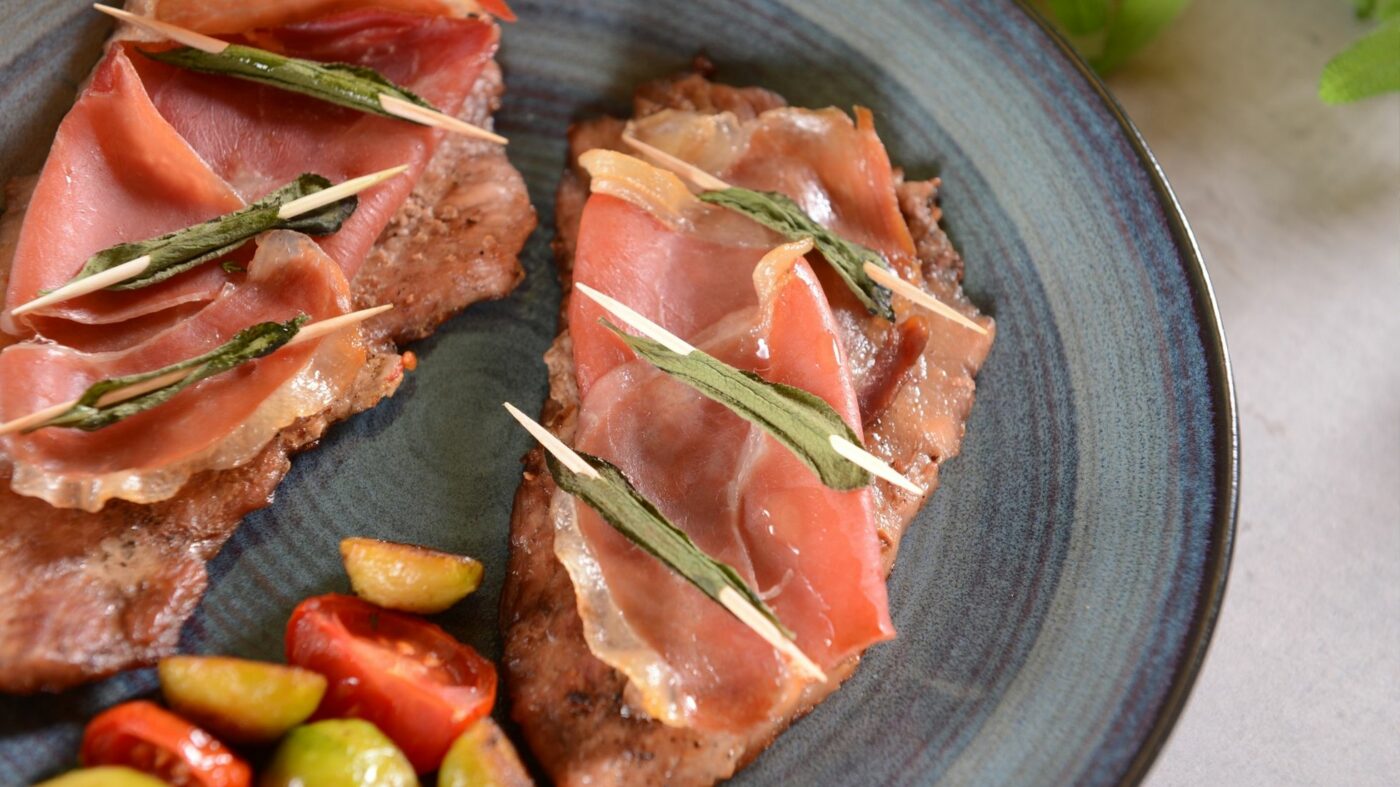
Moving away from pasta, Saltimbocca alla Romana shows how Romans turn simplicity into elegance. Thin slices of veal are topped with prosciutto and sage, held together with a toothpick, and cooked quickly in butter and white wine. The result is tender, fragrant, and savory — a dish that really does jump in your mouth, just like the name says. You’ll find it in both home kitchens and old-school trattorias across the city.
Trippa alla Romana
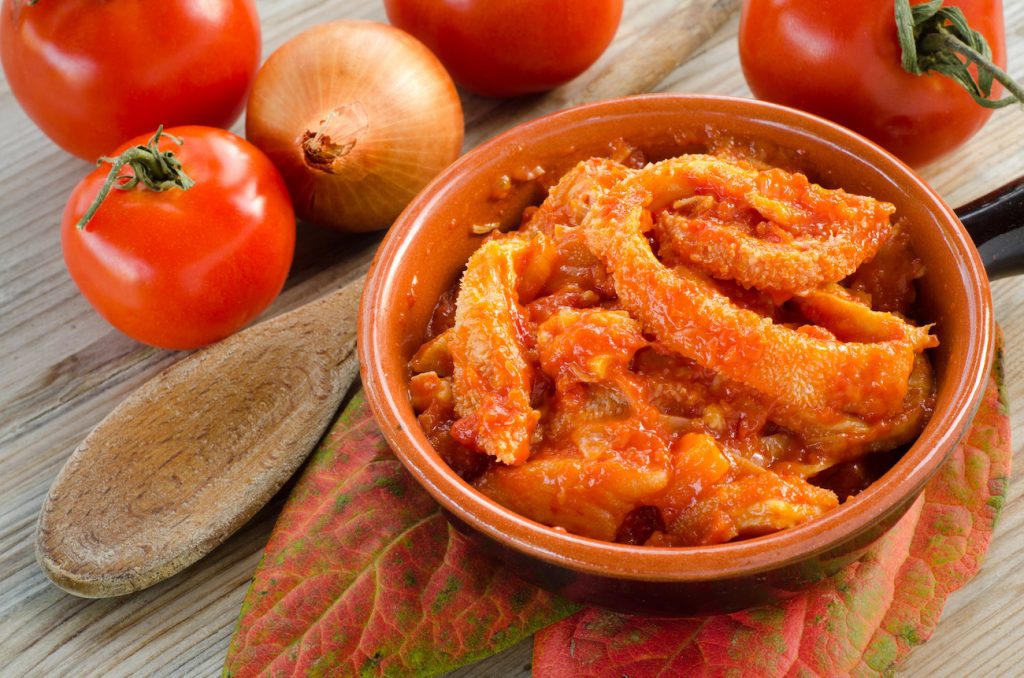
Romans have always believed that every part of the animal deserves respect, and Trippa alla Romana proves it. Tripe is simmered slowly in tomato sauce with mint and Pecorino Romano until it turns soft and full of flavor. It’s rustic, hearty, and deeply satisfying — the kind of dish that speaks of Sundays, patience, and tradition.
Coda alla Vaccinara
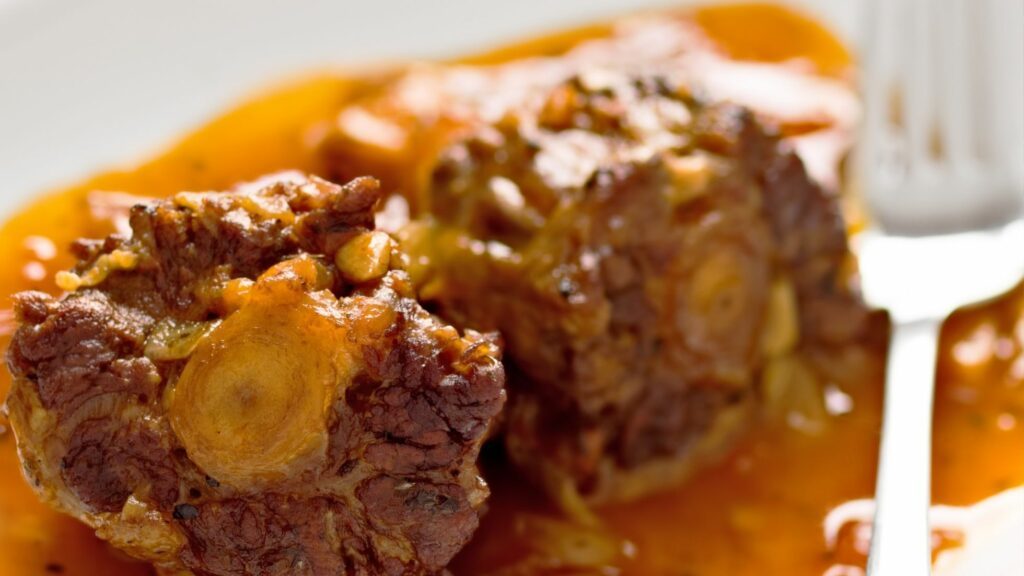
Coda alla Vaccinara is one of those dishes that defines Roman cooking: humble ingredients turned into something extraordinary with time and patience. Made from oxtail, it belongs to the city’s cucina povera tradition, where nothing went to waste and flavor came from slow, careful cooking.
The oxtail is braised for hours in a rich tomato sauce with celery, carrots, onions, and a few secret touches that every cook swears by. What emerges is meat so tender it slips off the bone, surrounded by a sauce that’s deep, sweet, and savory all at once.
This is true Roman comfort food: rich, messy, and unforgettable. It’s the kind of dish you find in old trattorias or on family tables on a Sunday, served with bread to mop up every last bit of sauce.
Carciofi alla Romana
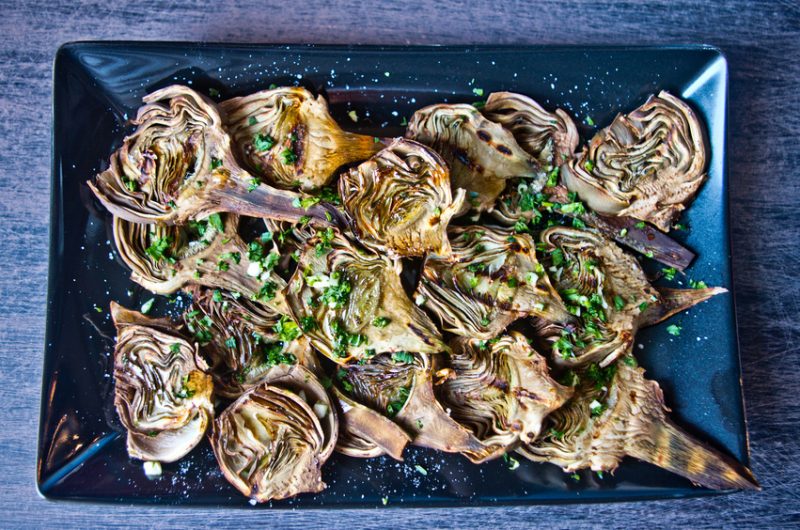
Few dishes capture the Roman love for simplicity like Carciofi alla Romana. Fresh artichokes are stuffed with garlic, mint, and breadcrumbs, then braised slowly until they turn soft and fragrant. The result is tender artichokes bathed in olive oil, their flavor both earthy and delicate. It’s a springtime staple in Rome and one of those dishes that tastes like home — humble, seasonal, and full of character.
Carciofi alla Giudia
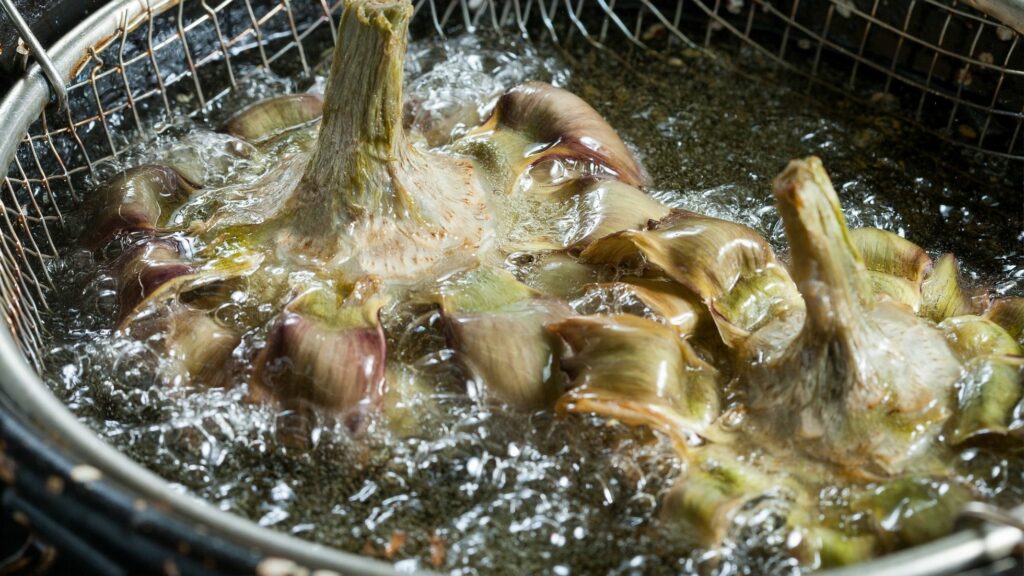
Carciofi alla Giudia, or Jewish-style artichokes, are a legacy of Rome’s Jewish community and a triumph of texture. Whole artichokes are deep-fried until their leaves open like golden petals — crisp outside, soft inside. The first bite cracks; the second melts. Simple as it sounds, the technique takes skill, and when done right, it’s one of the most unforgettable bites you can have in Rome.
Puntarelle
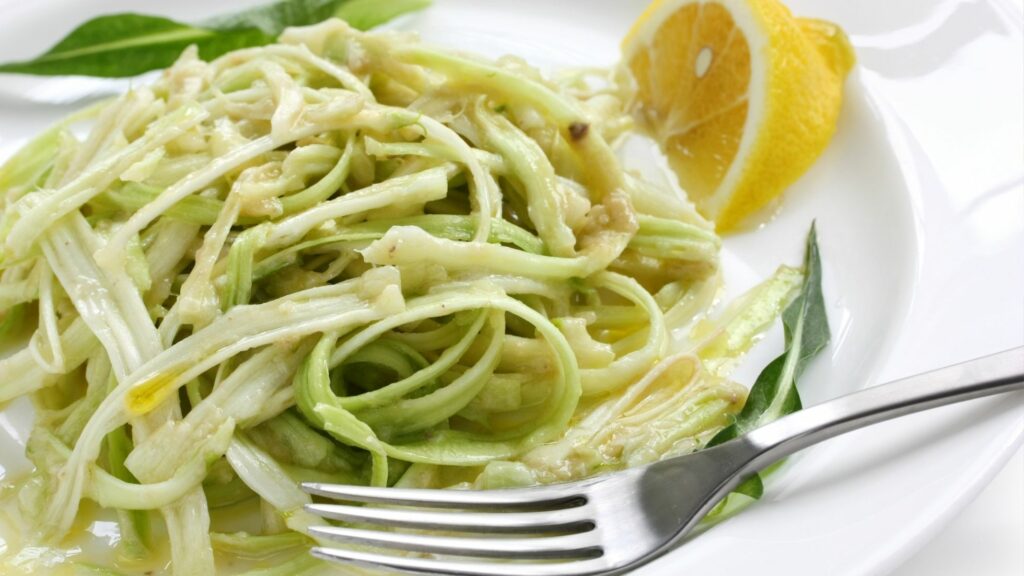
When Romans talk about salad in winter, they mean Puntarelle. Made from the shoots of chicory, it’s sliced thin, curled in cold water, and dressed with anchovies, garlic, and vinegar. The result is a sharp, fresh, slightly bitter salad that wakes up the palate. It’s the perfect side dish for heavier meals and a reminder that Roman food isn’t just rich — it’s balanced, too.
Minestra di Ceci
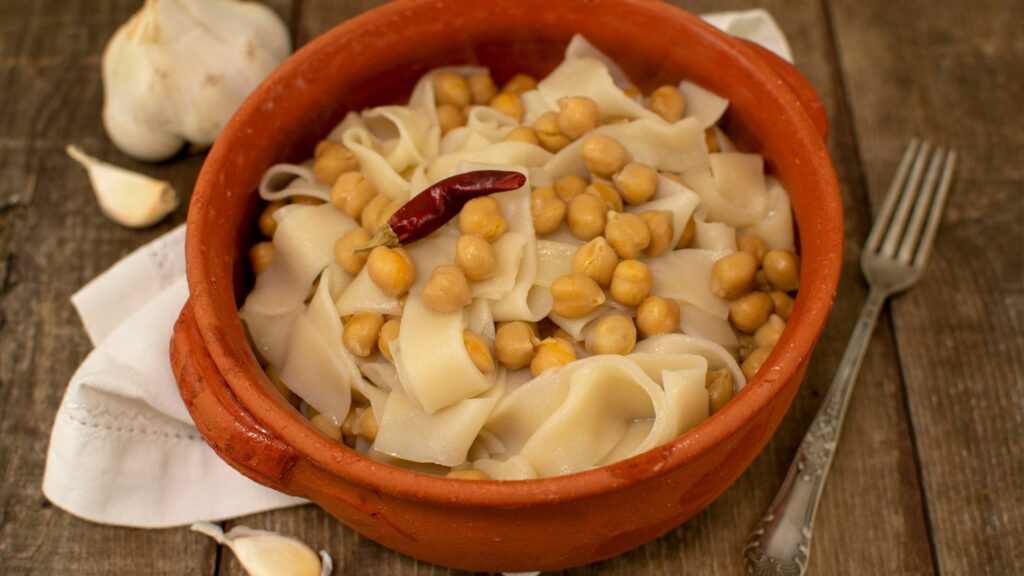
Minestra di Ceci is Roman comfort food at its best: chickpeas simmered with garlic, rosemary, and a handful of small pasta. It’s rustic, filling, and honest — the kind of soup that warms you from the inside out. Every family has its own version, but they all share the same spirit: simple ingredients, slow cooking, and big flavor.
Abbacchio Scottadito
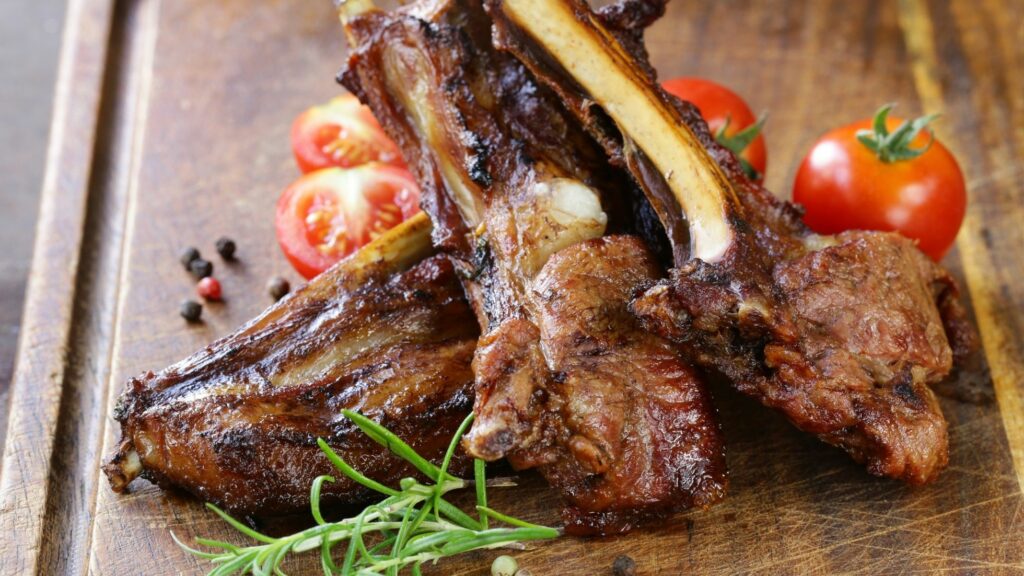
Romans have a soft spot for Abbacchio Scottadito, grilled lamb chops eaten straight off the bone — so hot they almost burn your fingers, which is exactly how they got their name. Marinated with olive oil, garlic, and rosemary, then cooked until crisp outside and tender inside, this dish is all about bold flavors and shared tables. It’s a Roman Easter classic, but locals enjoy it year-round whenever lamb is at its best.
Maritozzi

A true Roman breakfast wouldn’t be complete without Maritozzi, soft, lightly sweet buns split open and filled with whipped cream. You’ll find them on café counters across the city, best enjoyed with a cappuccino. Their name means “little husbands,” a nod to their origins as sweet gifts from grooms-to-be. Today, they’re pure indulgence — messy, airy, and impossible not to love.
Want to have breakfast in Rome? Our guide on the Best breakfast In Rome is the answer to your doubts!
Crostata di Ricotta
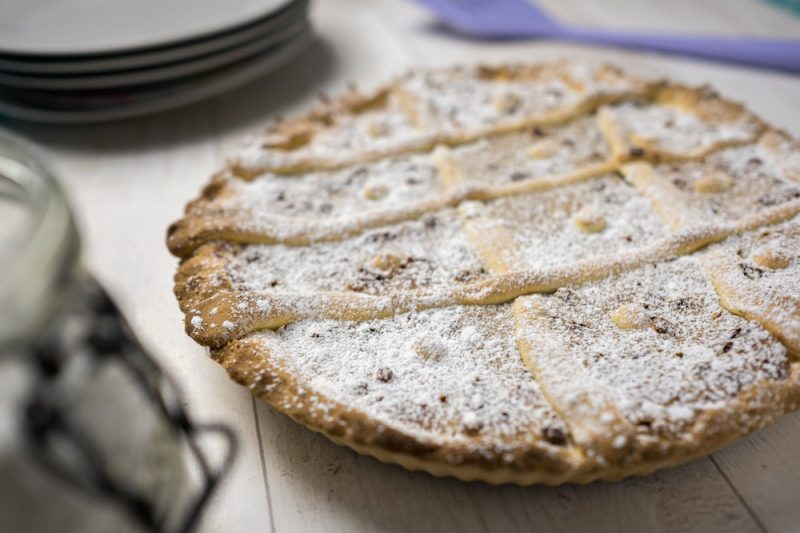
End any Roman meal on a high note with Crostata di Ricotta, a simple tart filled with sweetened ricotta, often flavored with lemon zest or chocolate chips. Its crisp crust and creamy filling strike a perfect balance — elegant yet comforting. It’s the dessert you’ll find in every bakery in Rome, baked for holidays but eaten happily all year long.
Supplì
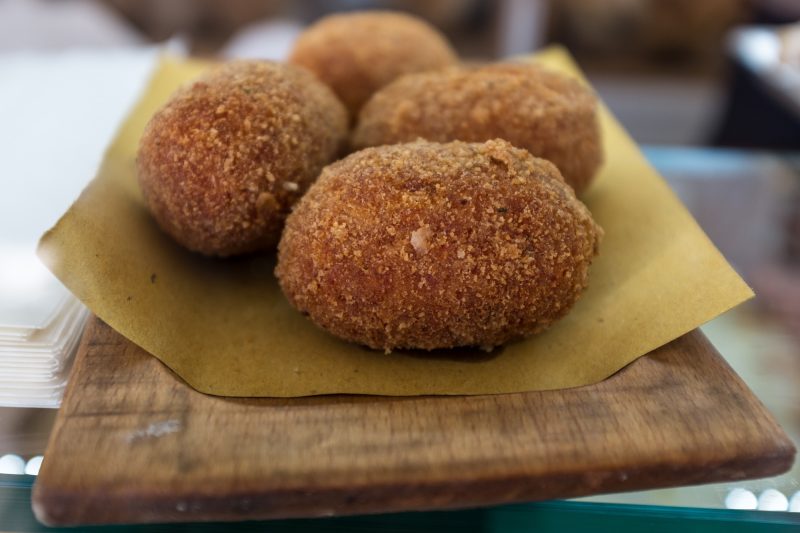
Every Roman grows up eating Supplì — crispy fried rice balls stuffed with mozzarella and ragù. The moment you bite in and the cheese stretches, locals call it al telefono, “on the phone,” for the string of mozzarella connecting both halves. They’re cheap, filling, and sold everywhere from corner shops to pizzerias. Supplì are more than a snack; they’re part of Rome’s DNA.
Pizza al Taglio
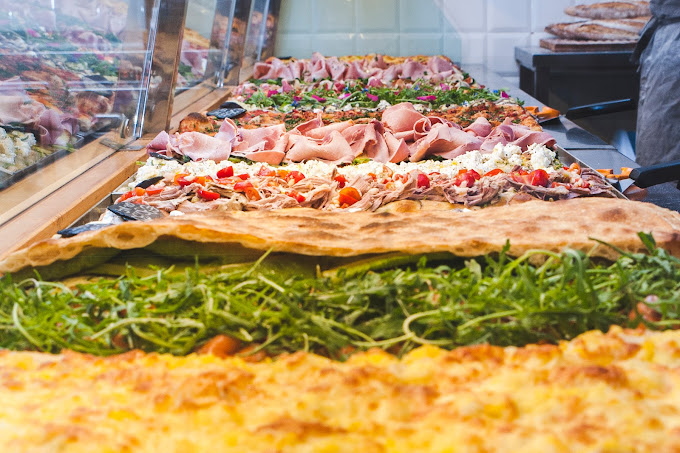
You can’t talk about Rome without mentioning Pizza al Taglio, pizza by the slice. Served from metal trays and cut with scissors, it’s the city’s answer to fast food. Each bakery has its own style — some thin and crackling, others soft and chewy — and toppings change with the seasons. A slice of potato pizza or margherita wrapped in paper is the perfect lunch on the go.
Where to Eat in Rome: Local Habits and Honest Advice
If you really want to eat like a Roman, skip the places waving multilingual menus and focus on where locals actually sit down to eat. In Rome, food isn’t about fancy plating; it’s about flavor, rhythm, and tradition.
Trattorias and Osterias
Look for small trattorias and osterias, often family-run and slightly chaotic in the best way. The day’s menu is handwritten, the wine comes in a carafe, and the waiters might tease you for ordering the “wrong” pasta with the wrong sauce. These are good signs — they mean you’ve found the real thing. Around Testaccio, Trastevere, and Monteverde, you’ll still find trattorias where locals go for weekday lunches and long Sunday meals.
Markets and Quick Eats
Rome’s food markets are another way to experience the city’s daily life. Visit Campo de’ Fiori, Mercato Centrale, or the smaller Testaccio Market, where stalls serve everything from fresh produce to homemade pasta. Grab a quick lunch at a counter, eat standing up, and talk to the vendors — they’re often the best source of local recommendations.
Coffee and Pastries
Mornings start with coffee at the bar, not at a table. Order at the counter, drink your espresso or cappuccino quickly, and go about your day. Pair it with a maritozzo or a simple cornetto. If you sit down, expect to pay more — it’s part of the Roman rhythm.
Aperitivo and Dinner
Before dinner, join locals for aperitivo — a pre-dinner drink with small bites, usually around 6:30 to 8:00 pm. Dinner starts later, rarely before 8:30. Don’t rush; the meal is meant to be enjoyed slowly, with conversation and plenty of wine.
Practical Tips for Food Travelers
- Reservations: Always book for dinner, especially in popular neighborhoods.
- Tipping: It’s not mandatory; just round up or leave small change if you’re happy.
- Pasta etiquette: Don’t ask for cheese on seafood pasta — Romans will stare.
- Timing: Many restaurants close between lunch and dinner, so plan your meals.
- Water: Tap water is drinkable; bottled is often offered by default.
Living Rome Through Its Food
Eating in Rome isn’t just about what’s on the plate. It’s how the city tells its story — through noisy kitchens, handwritten menus, and recipes passed down for generations. Every dish, from a simple plate of pasta to a fried artichoke, speaks of a place where food and life are inseparable.
If you eat where Romans eat, follow their rhythm, and stay curious, you’ll discover that the best food in Rome isn’t in the guidebooks. It’s in the small details: the smell of coffee at the bar, the laughter in a crowded trattoria, the last piece of bread soaked in sauce. That’s Rome: warm, imperfect, and unforgettable, one bite at a time.