Moldova Travel Guide
Moldova is a compact Eastern European country that can be explored in five to seven days, with Chișinău as a base for wineries, Orheiul Vechi and the countryside.
Introduction
Moldova sits between Romania and Ukraine and is one of the least visited countries in Europe. That description is often used as a reason to visit, although it does not explain what makes a trip here worthwhile. The real interest lies in the relationship between the capital, the agricultural countryside, the wine industry and communities whose languages and traditions reflect Moldova’s complicated position in Eastern Europe.
We travelled around Moldova for six days in autumn. That was enough time to explore Chișinău, visit Orheiul Vechi, enter several of the country’s major wine cellars, eat extensively and understand why journeys outside the capital need to be arranged with more care than the country’s size suggests.
Moldova is small, but its attractions are dispersed among villages, monasteries and vineyards. Public transport connects the main towns, while a car, hired driver or organised excursion makes rural travel considerably easier. Wineries usually require reservations, local transport becomes less frequent outside Chișinău and opening hours cannot always be confirmed simply by arriving.
This page provides the country-level structure for planning a trip. Our detailed article on what to do in Moldova and where to experience its food and wine contains the places we visited, practical observations from our journey and a closer look at the dishes and wineries we encountered.
Regions
Moldova can be divided into the capital, central Moldova, the north and the south. Gagauzia is an autonomous territorial region in the south with its own cultural identity. Transnistria lies along the eastern border and is outside the control of the Moldovan government.
| Area | Useful base | Main interests | Recommended time |
|---|---|---|---|
| Chișinău | Chișinău | City life, markets, museums, restaurants and transport connections | 2 days |
| Central Moldova | Chișinău, Orhei, Butuceni | Orheiul Vechi, monasteries, villages and major wineries | 2–3 days |
| Northern Moldova | Bălți, Soroca | Fortresses, monasteries, rural landscapes and smaller towns | 2–3 days |
| Southern Moldova | Cahul, Ștefan Vodă | Wine routes, nature reserves, villages and rural guesthouses | 2–4 days |
| Gagauzia | Comrat, Congaz | Gagauz culture, language, food and family wineries | 1–2 days |
| Transnistria | Tiraspol | Politically disputed territory currently subject to travel warnings | Not recommended at present |
Chișinău
Chișinău is the practical starting point for almost every Moldova itinerary. The city is spacious and green, with broad avenues, Soviet-period buildings, Orthodox churches and residential neighbourhoods spread across a large area.
The centre can be explored on foot, particularly around Ștefan cel Mare Boulevard, the Triumphal Arch, Cathedral Park and the National History Museum. Valea Morilor Park lies farther west and is one of the places where Chișinău feels most residential. The city’s markets, bakeries and informal restaurants are as useful for understanding everyday life as its principal monuments.
Two days are sufficient for the main sights and several meals. Chișinău also works well as a base for Cricova, Mileștii Mici and Orheiul Vechi, all of which can be visited without changing accommodation.
Central Moldova
Central Moldova contains many of the places first-time visitors associate with the country. The Codru wine region surrounds Chișinău, while Cricova and Mileștii Mici have enormous underground cellars built into former limestone quarries.
Cricova functions like a subterranean town, with named streets and tasting rooms reached by transport through the tunnels. Mileștii Mici is known for the scale of its bottle collection and underground galleries. Both require advance reservations, and the temperature underground remains cool even when the surface is hot.
Orheiul Vechi lies around 60 kilometres northeast of the capital. The archaeological and monastic complex occupies a limestone ridge above the Răut River, with cave spaces cut into the rock and villages spread across the surrounding valley. Stay in Trebujeni or Butuceni if you want to experience the area after the day-trip groups have returned to Chișinău.
Curchi Monastery and Château Vartely can also be incorporated into a central Moldova route. Combining every site in one day is possible only with tightly arranged transport and brief visits. Two days produce a much better itinerary.
Northern Moldova
Northern Moldova receives fewer international visitors and requires more travel time. Bălți is the principal city in the north, while Soroca is known for its fortress overlooking the Dniester River.
The region also contains monasteries, limestone formations and traditional villages. Distances remain manageable, but public transport connections between rural attractions can be awkward. Travellers relying on buses should consider staying overnight rather than attempting a series of day trips from Chișinău.
The north makes most sense on a trip of at least seven days, once Chișinău and central Moldova have been covered.
Southern Moldova
Southern Moldova has two important wine areas: Ștefan Vodă in the southeast and Valul lui Traian in the southwest. Purcari, Castel Mimi, Et Cetera and several smaller producers can form part of a longer wine itinerary.
Wineries in Moldova are often complete destinations. Some combine vineyard tours, restaurants, accommodation and tastings, so there is little advantage in trying to visit several in rapid succession. One substantial winery visit per day leaves time for meals, the countryside and the journey itself.
The Lower Prut area around Cahul contains lakes, wetlands and villages where tourism is connected to local food and community projects. Văleni and Lake Beleu can be included in a southern route, particularly during the warmer months.
Gagauzia
Gagauzia is an autonomous region in southern Moldova, mainly inhabited by the Gagauz, a Turkic-speaking Orthodox Christian people. Comrat is the regional capital, while villages such as Congaz and Besalma provide a closer introduction to Gagauz food and domestic traditions.
The region should not be reduced to a brief cultural stop. Its language, history and cuisine are distinct from those of central Moldova. Lamb, filled breads, soups and vegetable dishes appear frequently, and small wineries or guesthouses can organise meals that are difficult to find independently.
One night in the region gives the visit more substance and avoids a long return journey to Chișinău after dinner or a wine tasting.
Transnistria
Transnistria is a breakaway territory along Moldova’s eastern border. It is internationally recognised as part of Moldova but has its own de facto authorities, checkpoints and currency. The Moldovan government does not control the territory.
We visited Tiraspol during our earlier journey and included that experience in our main Moldova article. The security situation has since changed. The UK Foreign, Commonwealth and Development Office currently advises against all travel to Transnistria, and the Moldovan tourism authority also recommends that travellers stay away.
Travel insurance may be invalid if you enter a territory against government advice, and consular assistance is extremely limited. For these reasons, Transnistria should not be included in a current Moldova itinerary without checking the latest guidance from the authorities relevant to your nationality.
Planning Your Trip
Most international visitors arrive at Chișinău International Airport. Direct flights connect the capital with several European cities, although routes and frequencies change throughout the year.
Overland travel from Romania is also possible by bus, train or car. Bucharest and Iași are the main Romanian starting points, with Iași considerably closer to the Moldovan border. Border checks make journey times less predictable, so leave additional time when connecting with a flight or train.
Entry requirements depend on nationality. Citizens of many European countries, the United Kingdom, the United States and several other nations can visit for short periods without a visa, but passport validity and permitted length of stay should always be confirmed before travelling.
Practical information worth knowing before arrival includes:
- The currency is the Moldovan leu, abbreviated MDL.
- Romanian is the official language. Russian is also widely spoken, while Gagauz is used in Gagauzia.
- English is increasingly common among younger people and in tourism businesses, but less reliable in rural areas.
- Cards are widely accepted in Chișinău and at larger wineries. Carry lei for markets, minibuses, villages and small businesses.
- Moldova uses European two-pin plugs, types C and F.
- Mobile data is generally affordable, and a local SIM or eSIM is useful for navigation and translation.
- Winery tours should be booked in advance, even outside the summer season.
- Rural guesthouses may require direct contact to arrange dinner, transport or an English-speaking host.
- Comprehensive travel insurance is important given Moldova’s proximity to the war in Ukraine.
Moldova itself remains open to visitors, and daily life in Chișinău and the principal tourism areas generally continues as normal. The regional security situation can change, however, particularly near Ukraine and Transnistria. Check official travel advice again shortly before departure rather than relying on an article published months earlier.
Best Itinerary
A six-day itinerary gives enough time for Chișinău, Orheiul Vechi, two different wine experiences and a journey into southern Moldova.
Day 1: Arrive in Chișinău
Use the first day to walk through the central area around Ștefan cel Mare Boulevard, Cathedral Park and the Triumphal Arch. Visit the central market if arrival time permits, then choose a restaurant serving Moldovan food rather than booking a winery meal immediately.
Day 2: Chișinău
Spend a complete day in the capital. Include the National History Museum, Valea Morilor Park and one or two Orthodox churches. The Ciuflea Monastery is close enough to the centre to fit into the day without complicated transport.
Chișinău’s architecture makes more sense when approached as a record of different periods rather than as a collection of conventional landmarks. Romanian influences, Soviet planning and newer commercial development sit beside one another throughout the city.
Day 3: Cricova and Orheiul Vechi
Travel north to Cricova for a pre-booked cellar tour, then continue to Orheiul Vechi. Stay overnight in Butuceni or Trebujeni if possible.
This combination works because both destinations lie northeast of Chișinău. Even so, confirm tour times and transport before departure. A winery visit can easily take several hours once the tasting and meal are included.
Day 4: Orheiul Vechi and Curchi
Explore Orheiul Vechi in the morning, before the main day visitors arrive. Continue to Curchi Monastery and return to Chișinău in the afternoon.
If you prefer wine to monasteries, Château Vartely near Orhei can replace Curchi. Avoid booking a second substantial tasting if you are driving.
Day 5: Southern Moldova
Travel south towards Gagauzia, Purcari or the Lower Prut region. The choice depends on your priorities.
Gagauzia is strongest for culture and regional food. Purcari and the Ștefan Vodă route work well for wine. Cahul, Văleni and Lake Beleu require more time but add nature and village tourism to the trip.
Stay overnight in a winery, rural guesthouse or Gagauz accommodation instead of returning to Chișinău late at night.
Day 6: Return to Chișinău
Use the return journey for a second winery or village stop, then spend the final evening in Chișinău.
With only four days, concentrate on Chișinău, Orheiul Vechi and one winery. With seven or eight days, add Gagauzia or northern Moldova rather than increasing the number of attractions visited each day.
Driving in Moldova
Driving is the most flexible way to reach wineries, monasteries and rural accommodation. Cars drive on the right, and rental companies operate at Chișinău Airport and in the city.
Road quality varies. The principal roads around Chișinău and between larger towns have improved, while secondary roads can contain potholes, uneven surfaces and poorly marked sections. Journeys after dark require more attention because village roads may have limited lighting and pedestrians, bicycles, carts or animals can be difficult to see.
Keep these points in mind:
- Confirm whether your licence must be accompanied by an International Driving Permit.
- Check that the rental agreement permits travel on every part of your itinerary.
- Ask specifically about insurance for tyres, windows and damage caused by poor road surfaces.
- Do not assume a rental car can be taken into Transnistria.
- Drive conservatively through villages, where speed limits can change quickly.
- Avoid leaving the main roads without offline navigation.
- Park securely and remove valuables from sight.
- Allow extra time for border crossings if arriving from Romania.
- Never combine self-driving with a full wine tasting.
The last point matters in Moldova. Tastings can include several wines, sparkling wine and divin, the local grape brandy. If wine is central to the day, arrange a driver or join an organised excursion. This also removes the need to navigate rural roads after an extended lunch.
Public transport remains a workable alternative for the main towns. Buses and minibuses depart from several stations in Chișinău, so confirm which station serves your destination. A hired driver becomes more practical when combining villages, wineries and monasteries in the same day.
When to Visit Moldova
Late April to June and September to early October are the most comfortable periods for exploring Moldova. Spring brings green countryside and mild temperatures, while early autumn coincides with the grape harvest and the most active period for wine tourism.
| Period | Conditions | Best for |
|---|---|---|
| March–April | Variable temperatures and occasional rain | City visits and quiet travel |
| May–June | Warm days and green countryside | General touring, villages and outdoor meals |
| July–August | Hot, dry periods with strong sun | Festivals and rural stays |
| September–October | Harvest season and autumn colour | Wineries, food and road trips |
| November–February | Cold weather and short days | Chișinău and indoor cultural visits |
We visited in autumn and found it particularly well matched to the country. The harvest gave winery visits additional context, seasonal food was appearing in markets and the changing colours made rural journeys more interesting.
National Wine Day is normally held in early October, with events in Chișinău and participating wineries. Confirm the dates before booking because the programme changes each year. Accommodation and wine tours can fill quickly during the event.
July and August can be very hot, especially in Chișinău and the south. Winter is possible, but snow, ice and shorter daylight make rural driving less appealing. Some guesthouses and tourism businesses also reduce their schedules outside the main season.
How Many Days in Moldova?
Five to seven days is the right length for a first trip to Moldova. This provides enough time to understand Chișinău, spend a night outside the capital and visit wineries without turning the entire journey into a sequence of tastings.
| Length of stay | Realistic itinerary |
|---|---|
| 2–3 days | Chișinău and one nearby winery |
| 4 days | Chișinău, Orheiul Vechi and one or two wineries |
| 5–7 days | Capital, central Moldova and either the north or south |
| 8–10 days | Central Moldova, Gagauzia, the south and part of the north |
Two nights in Chișinău are enough for the principal city sights. Orheiul Vechi deserves a full day or one overnight stay. Allow two days for southern Moldova if you want to reach Gagauzia, Purcari or the Lower Prut without rushing.
A longer trip becomes particularly worthwhile if you enjoy rural tourism, wine or regional food. Travellers interested only in conventional city sightseeing may find four days sufficient.
Budget
Moldova remains more affordable than much of Western Europe, although internationally known wineries and higher-end hotels can cost considerably more than local restaurants and guesthouses.
A reasonable daily budget per person, assuming two people share accommodation, is:
| Travel style | Daily budget per person |
|---|---|
| Budget | €45–€75 |
| Mid-range | €90–€150 |
| Comfortable | €180 and above |
A budget trip can include a simple guesthouse, local restaurants and buses or minibuses. The mid-range estimate allows for a comfortable hotel, restaurant meals, taxis and occasional tours. A private driver, premium winery accommodation and several organised tastings will move the trip into the higher range.
Wine tours require separate budgeting. The cost depends on the number of wines, food pairing, cellar access and transport. A tasting at a family producer may be modest, while a complete experience at a major winery can occupy most of the day and cost as much as a night’s accommodation.
Many tourism businesses publish prices in euros, although everyday payments are made in Moldovan lei. Check what is included before booking. Transport, lunch and tasting fees are not always sold as one package.
Food in Moldova
Moldovan food draws from Romanian, Ukrainian, Russian, Gagauz and other regional traditions, while retaining a clear connection to the country’s farms, orchards and vineyards. Meals are generous, and sour cream, fresh cheese, preserved vegetables, herbs and seasonal fruit appear frequently.
Mămăligă is one of the dishes most closely associated with Moldova. The firm cornmeal preparation is commonly served with brânză, sour cream, meat, stews or vegetables. It is traditionally cut with a thread rather than a knife.
Other dishes worth looking for include:
- Plăcinte, baked or fried pastries filled with cheese, cabbage, potatoes, pumpkin, apples or sour cherries
- Zeamă, a chicken soup with homemade noodles, vegetables, herbs and a lightly sour flavour
- Sarmale, cabbage or vine leaves filled with rice and meat
- Ardei umpluți, peppers filled with rice, vegetables and sometimes meat
- Colțunași or vareniki, filled dumplings served in savoury or sweet versions
- Borscht, particularly in areas with stronger Ukrainian influence
- Mititei, grilled rolls of seasoned minced meat
- Murături, the pickled vegetables that accompany many winter meals
- Cușma lui Guguță, layers of sour-cherry-filled crêpes covered with cream
- Compot, a homemade drink prepared by simmering fruit in water
Plăcinte are especially useful when travelling. They are inexpensive, easy to find and vary from one bakery or household to another. The cheese-filled and cabbage-filled versions work as a quick meal, while cherry or apple fillings are closer to dessert.
Gagauz cuisine adds another regional layer. Slow-cooked lamb, shurpa, gözleme-style filled breads, bulgur and pepper-based dishes reflect the community’s Turkic roots and agricultural traditions. These dishes are easier to experience through a guesthouse or pre-arranged meal than in central Chișinău.
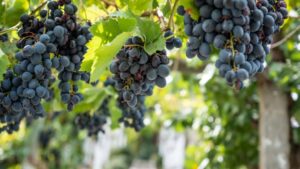
Wine is central to Moldova’s food culture and rural economy. For planning purposes, the three principal protected wine regions are Codru in the centre, Ștefan Vodă in the southeast and Valul lui Traian in the southwest.
Native and regional grape varieties to look for include Fetească Albă, Fetească Regală, Fetească Neagră and Rară Neagră. Many producers also work with internationally familiar grapes, sometimes blending them with local varieties.
Cricova and Mileștii Mici are important for the scale and history of their underground cellars. Purcari, Castel Mimi, Château Vartely, Asconi and Et Cetera provide different combinations of architecture, vineyards, restaurants and accommodation. Smaller family wineries often give more attention to the people and agricultural work behind the bottle.
The most useful approach is to visit both. Choose one large cellar to understand the scale of Moldova’s wine industry, then add a smaller producer or rural guesthouse where wine remains connected to the meal, the family and the land where it was made.