Germany Travel and Food Guides
This Germany travel hub helps you choose the right regions, plan an efficient route and explore the country through its cities, history, local food and wine.
Germany is easier to understand as a collection of regions than as a single destination. Berlin, Bavaria, the Rhine Valley and the Baltic coast have different architecture, food, landscapes and local identities. Even dishes that appear throughout the country change significantly from one area to another.
The size of Germany makes it tempting to plan a trip around famous city names. This often leads to long days on trains and very little time to understand where you have arrived. A better first trip connects two or three places along a logical railway line. Berlin can be paired with Leipzig and Dresden in the east, while Stuttgart works naturally with Heidelberg, the Black Forest or Munich.
Germany’s railway network makes city-based itineraries relatively simple, though delays and last-minute platform changes should be expected. A car becomes useful for villages, forest areas, vineyards and scenic routes. Inside Berlin, Munich, Hamburg and other large cities, it usually becomes an inconvenience.
Food is one of the best ways to recognise the regional differences. Berlin’s currywurst and döner culture belongs to a very different Germany from Stuttgart’s Maultaschen, Bavaria’s beer halls or the fish kitchens of the north. Beer has a strong place in German life, but wine is equally important in regions such as Baden-Württemberg, the Mosel and the Rhine.
Regions
Germany has 16 federal states, each with its own identity and traditions. Travellers do not need to treat them as a checklist. For planning purposes, the country can be divided into a smaller number of travel regions.
| Region | Main bases | Best for | Suggested time |
|---|---|---|---|
| Berlin and Brandenburg | Berlin, Potsdam | Modern history, museums, neighbourhoods and nightlife | 4–5 days |
| Saxony and eastern Germany | Dresden, Leipzig, Weimar | Architecture, music, art and recent German history | 3–6 days |
| Bavaria | Munich, Nuremberg, Bamberg, Füssen | Historic centres, Alpine scenery, beer culture and castles | 5–8 days |
| Baden-Württemberg | Stuttgart, Heidelberg, Freiburg | Wine, food, car museums and the Black Forest | 4–7 days |
| Rhine and Mosel | Cologne, Mainz, Koblenz, Trier | Vineyards, river towns, castles and scenic rail journeys | 4–7 days |
| Northern Germany | Hamburg, Lübeck, Bremen | Ports, maritime history, brick architecture and seafood | 4–6 days |
| Baltic and North Sea coasts | Rügen, Sylt, East Frisian Islands | Beaches, cycling, islands and coastal landscapes | 4–7 days |
| Central Germany | Frankfurt, Kassel, Harz Mountains | Transport connections, forests and smaller historical towns | 3–5 days |
Berlin and Brandenburg
Berlin deserves at least three full days, and four are better. The city is physically large, its main sights are spread across several districts, and its history makes little sense when reduced to a quick circuit of landmarks.
The Brandenburg Gate, Reichstag, Holocaust Memorial and surviving sections of the Berlin Wall belong in a first visit. Museum Island, the East Side Gallery and the neighbourhoods of Kreuzberg, Friedrichshain and Prenzlauer Berg need separate time. Our detailed article on the main attractions and things to do in Berlin covers the historical sites, neighbourhoods and less conventional places worth adding.
Plan Berlin by area. Mitte can fill an entire day once museums and historical sites are included. The East Side Gallery, Friedrichshain and Kreuzberg work well together. Charlottenburg and western Berlin need another block of time. Crossing the city repeatedly wastes hours, even with good public transport.
Potsdam is the most practical day trip. Its palaces and gardens need most of a day, so it is better added to a four or five-day Berlin stay. In summer, Berlin’s lakes, parks and the former Tempelhof airport give the city a completely different pace.
Saxony and eastern Germany
Dresden and Leipzig can be reached from Berlin without building a complicated route. Dresden centres on reconstructed architecture, museums and the Elbe, while Leipzig has a strong musical history and a younger cultural scene.
Two nights in Dresden and two in Leipzig create a compact journey through eastern Germany. Travellers interested in Cold War history can spend longer in Berlin and Leipzig, where the events leading to German reunification are part of the urban fabric.
This is also one of the simplest routes to complete entirely by train. The cities are close enough to avoid internal flights or a rental car.
Bavaria
Bavaria is often treated as a shorthand for Germany, especially abroad. Its beer halls, Alpine villages, painted houses and traditional clothing are widely recognised, though they represent one region rather than the entire country.
Munich needs two or three full days. Nuremberg adds medieval architecture and a substantial historical layer connected to the twentieth century. Bamberg has a compact old centre and a distinctive brewing tradition. Füssen is commonly used as a base for Neuschwanstein Castle, while Garmisch-Partenkirchen provides access to the Alps.
Distances within Bavaria can still be significant. Munich, Nuremberg and Bamberg form a manageable rail route. Adding the castles and Alpine areas usually requires additional days and more careful transport planning.
Autumn travel requires attention to local events. Oktoberfest takes place mainly in late September, ending in early October, and Munich accommodation becomes considerably more expensive. Book early if the festival is the reason for the trip. Choose different dates if it is not.
Baden-Württemberg
Baden-Württemberg in southwestern Germany brings together historic towns, forest landscapes, car manufacturing, regional cooking and some of the country’s most interesting wine areas.
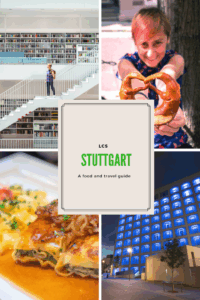
Stuttgart is the state capital and a practical base. Its centre is compact, while the surrounding hills, vineyards and museums require more time. The Mercedes-Benz and Porsche museums are major attractions, but they are only one part of the city. The Markthalle, Schlossplatz, Stadtbibliothek and neighbourhoods beyond the shopping streets give a broader picture. Our Stuttgart food and travel guide covers the city’s main sights, Swabian dishes and the areas worth exploring.
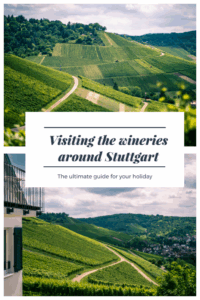
The vineyards begin surprisingly close to central Stuttgart. Uhlbach, the Württemberg hill and the Neckar Valley can be reached without renting a car, making it possible to dedicate a day to walking and tasting. Our article on Stuttgart’s vineyards and wine culture explains the wine trails, local grape varieties, seasonal festivals and Besenwirtschaften, the temporary family-run wine taverns identified by a broom outside.
Two days cover central Stuttgart and one major museum. Three allow time for the vineyards. Add Heidelberg, Freiburg or the Black Forest and the region needs close to a week.
The Rhine and Mosel
The Rhine and Mosel valleys work best as a regional journey rather than a hurried day trip from a large city. The landscape is built around rivers, steep vineyards, hilltop castles and towns connected by rail and boat.
Cologne is the most convenient northern gateway. Mainz, Koblenz and Trier can anchor a longer route, while smaller places such as Bacharach, Cochem and Bernkastel-Kues provide the atmosphere people usually associate with the river valleys.
Trains are useful because many stations sit close to the historical centres. A car gives access to smaller wineries and villages, although parking can be difficult in old towns. Travellers planning tastings may prefer trains, local buses or organised visits.
Late spring and early autumn are particularly good here. Autumn brings the grape harvest and wine festivals, while summer weekends can be crowded around the best-known river towns.
Northern Germany
Hamburg feels distinct from Berlin or Munich. Its identity comes from the port, waterways, warehouses and long history of trade. Three days allow time for the Speicherstadt, harbour, neighbourhoods and at least one museum.
Lübeck and Bremen fit naturally into a northern route. Lübeck is known for its brick Gothic architecture and marzipan, while Bremen has a compact old centre that can be explored without a car.
The North Sea and Baltic coasts require more time. Island journeys depend on ferry schedules, and coastal weather can change quickly. Summer is the easiest period for beaches and cycling, but this is also when accommodation is most heavily booked.
Planning your trip
The most efficient Germany itineraries follow a geographical line. Berlin, Leipzig and Dresden work together. Munich, Nuremberg and Bamberg form another coherent route. Stuttgart can be connected with Heidelberg, the Black Forest and Munich.
Germany is well served by trains, including fast Intercity Express services between major cities. Long-distance tickets are usually cheaper when booked in advance, but discounted fares often restrict travellers to a specific train. Seat reservations may be separate from the ticket. Leave a sensible connection window, particularly when transferring to the final train of the day.
Regional tickets and local transport passes have their own conditions. A ticket that covers buses and urban trains within one city may not cover an intercity journey. Validate paper tickets where required and check which fare zones include the airport or a day-trip destination.
Berlin is now served by Berlin Brandenburg Airport, known as BER. Regional trains and urban rail services connect it with different parts of the city. Check the station closest to your accommodation instead of automatically travelling to the central station.
Sunday closures catch many visitors by surprise. Most shops and supermarkets close, although businesses in larger railway stations and airports may remain open. Restaurants, museums and tourist attractions follow their own schedules. Buy groceries on Saturday if staying in an apartment.
Cash remains useful. Card acceptance has improved, but smaller bakeries, kiosks, market stalls and traditional establishments may still prefer cash. Keep coins for public toilets and smaller purchases.
Museum opening days also need attention. Monday closures are common, though far from universal. Build the itinerary around the attractions that require timed entry, then fill the remaining hours with neighbourhoods and outdoor sites.
Best itinerary
A first trip of ten days can connect Berlin, Stuttgart and Munich without changing hotels every night. It covers the capital, a major southwestern food and wine region, and Bavaria.
| Day | Plan |
|---|---|
| 1 | Arrive in Berlin and explore the area around the accommodation |
| 2 | Brandenburg Gate, Reichstag area and central historical sites |
| 3 | Museum Island, the Wall and eastern Berlin |
| 4 | Kreuzberg, Friedrichshain or a Potsdam day trip |
| 5 | Morning train to Stuttgart and an afternoon in the centre |
| 6 | Stuttgart museums, markets and Swabian dinner |
| 7 | Vineyards, wine villages and the Württemberg hill |
| 8 | Train to Munich and explore the old centre |
| 9 | Munich museums, markets, parks and beer culture |
| 10 | Final day in Munich or a nearby excursion |
This route includes one long railway journey between Berlin and Stuttgart. Taking an early direct service makes it manageable and keeps the rest of the trip simple.
Travellers more interested in twentieth-century history can replace Stuttgart and Munich with Leipzig and Dresden. Those focused on wine can travel from Stuttgart toward Heidelberg, the Rhine and the Mosel.
Ten days are enough for three bases. Adding Hamburg, Cologne or the Black Forest to the same trip would create too much transit. Save them for a second regional itinerary.
When to visit
May, June, September and early October are the most flexible months for travelling across Germany. Temperatures are generally comfortable, daylight is useful for sightseeing, and cities remain active without the peak summer pressure.
| Period | Conditions | Best for |
|---|---|---|
| March to April | Changeable weather and spring blossoms | Cities, museums and lower-season travel |
| May to June | Long days and generally mild temperatures | Multi-city routes, walking and wine regions |
| July to August | Warm weather, holidays and busy attractions | Lakes, coasts, outdoor dining and festivals |
| September to October | Harvest season and cooler days | Vineyards, regional food and city trips |
| Late November to December | Cold weather and early darkness | Christmas markets, seasonal food and museums |
| January to February | Cold, short days and quieter cities | Cultural breaks and winter landscapes |
Summer temperatures can become uncomfortable in cities, and air conditioning is not guaranteed in older hotels or apartments. Reserve accommodation early for coastal areas, festivals and school-holiday periods.
Christmas-market trips need careful timing. Many markets begin in late November and close on or just before Christmas Eve. Opening periods vary by city and year, so check the current dates before booking flights.
Spring and autumn weather can change within the same day. A waterproof outer layer is more useful than packing only for the forecast shown a week before departure.
How many days
Four days are appropriate for Berlin, particularly on a first visit. Three days cover the principal areas, while a fourth creates room for Potsdam, museums or neighbourhoods outside Mitte.
Stuttgart needs two days for the centre, food and museums. Add a third for the surrounding vineyards. Munich also needs two or three full days before any Alpine or castle excursion.
One week works best when limited to a single region or two nearby cities. Ten days allow three well-connected bases. Two weeks are appropriate for a broader route involving cities, countryside and at least one slower regional stay.
Avoid counting arrival and departure days as complete sightseeing days. Large railway stations, airport transfers and hotel check-in can consume a substantial part of them.
Budget
Germany is moderately expensive by European standards, with Berlin often costing less than Munich during major events. Accommodation has the greatest effect on the total budget.
A realistic daily estimate per person, excluding international travel, is:
| Travel style | Daily estimate | What it covers |
|---|---|---|
| Budget | €80–130 | Hostel or shared accommodation, bakery meals, local transport and free attractions |
| Mid-range | €150–240 | Comfortable hotel, restaurants, city transport and paid museums |
| Comfortable | €280+ | Higher-end accommodation, frequent dining out and private activities |
Prices rise sharply during trade fairs, football matches, Christmas markets and festivals. Stuttgart also hosts major business events, so an ordinary weekday can occasionally cost more than a weekend.
Bakeries, supermarkets and daily lunch menus help reduce food costs. A sit-down dinner with drinks costs considerably more than a street-food lunch. Museum passes and transport cards make sense only when the included attractions match the itinerary.
Book long-distance trains early when dates are fixed. Flexible tickets cost more, though they may be worth the extra expense when the itinerary includes a flight connection or another journey that could be delayed.
Food
German food is strongly regional. A traveller eating only schnitzel, sausage and pretzels would miss the dishes that explain where they are.
Berlin’s food culture includes currywurst, döner kebab, Kartoffelpuffer, Eisbein with sauerkraut and Berliner Pfannkuchen, the jam-filled pastries called Berliners in many other parts of the country. Immigration has played a central role in how the city eats, particularly in Kreuzberg and Neukölln.
Food choices change from one Berlin neighbourhood to another. Traditional Kneipen serve beer and substantial German cooking, while market halls, Turkish food businesses, Vietnamese restaurants, bakeries and modern vegetarian kitchens sit within the same city. Our selection of restaurants, markets and places to eat in Berlin goes far beyond a list of famous addresses and explains what to order across the city.
Stuttgart is the place to learn about Swabian cooking. Maultaschen are filled pasta parcels traditionally made with meat and served in broth, fried with onions or sliced into other dishes. Spätzle are soft egg noodles, often paired with cheese or meat. Zwiebelrostbraten is beef served with onions, while Flädlesuppe uses strips of savoury pancake in broth.
Even familiar foods change here. Swabian potato salad is dressed with stock and vinegar, without the heavy mayonnaise international visitors may expect. Stuttgart pretzels have thin, crisp arms and a thicker centre.
Wine deserves the same attention as beer. Vineyards grow within Stuttgart’s city limits, and the surrounding area produces Trollinger, Riesling, Kerner, Silvaner and Müller-Thurgau. A Besenwirtschaft provides a particularly local experience: families temporarily open part of their property to serve their own wine with simple regional dishes.
Bavarian food includes Weißwurst, Leberkäse, Schweinshaxe, dumplings and Obatzda, a seasoned cheese spread eaten with bread or pretzels. Beer gardens have their own social rhythm and, in many traditional ones, guests may bring food while buying drinks on site. Check the rules at the individual garden.
Northern Germany uses more fish, including herring, eel and North Sea shrimp. Hamburg’s Franzbrötchen is a buttery cinnamon pastry. The Rhineland has Sauerbraten, while Cologne has Kölsch beer served in small cylindrical glasses. Dresden is strongly associated with Stollen during the Christmas season.
Bakeries are one of the most useful places for everyday food. They provide breakfast, sandwiches, pastries and affordable lunches. Germany also retains the tradition of Abendbrot, an evening meal built around bread, cheese, cold cuts and accompaniments.
A good food plan needs variety rather than a list of dishes to complete. Eat at a bakery, visit a market, reserve one regional restaurant and leave room for whatever speciality appears in the next city. Germany’s regional differences become much clearer at the table.