Finland Travel and Food Guides
This Finland travel hub brings together our firsthand Helsinki and Turku guides with practical advice for planning Lapland, the Northern Lights, Finnish food and a wider journey through the country.
The first decision when planning Finland is when to go. A summer journey through the lakes and archipelago bears little resemblance to a winter trip split between Helsinki and Finnish Lapland.
Summer brings long days, cottage stays, ferries, cycling and swimming. Winter is built around snow, limited daylight, saunas and evenings spent watching the sky. Autumn has ruska, the brief period when northern forests turn red and gold, while spring can mean anything from lingering snow in Lapland to wet streets and thawing lakes farther south.
Finland also requires realistic route planning. Helsinki and Turku are close enough to connect easily by train, but Lapland is hundreds of kilometres farther north. Adding it to a short city break usually means an overnight train or domestic flight.
For a first trip, seven days are enough for Helsinki and one other southern region. A journey including Lapland needs at least eight to ten days. If seeing the Northern Lights is a priority, spend several consecutive nights in the north. Helsinki is too far south and has too much artificial light to work as a reliable aurora base.
Our Finland coverage currently has a strong focus on Helsinki, Turku, winter travel and food. This page helps place those guides within a practical country-wide plan.
Regions of Finland
Finland’s regions differ in landscape, distances and the kind of trip they support. Trying to include all of them in one week usually creates a journey dominated by transport.
| Region | Main bases | Best for | Suggested time |
|---|---|---|---|
| Southern Finland | Helsinki, Porvoo | Architecture, museums, saunas, islands and city food | 3–4 days |
| Southwest Finland | Turku, Naantali, Archipelago Sea | History, coastal food, cycling and island travel | 2–4 days |
| Finnish Lakeland | Tampere, Savonlinna, Kuopio | Cottage stays, lakes, forests and summer road trips | 4–7 days |
| Eastern Finland and Karelia | Koli, Joensuu | Hiking, national landscapes and Karelian food | 3–5 days |
| Finnish Lapland | Rovaniemi, Levi, Saariselkä, Inari, Kilpisjärvi | Northern Lights, snow activities and Arctic landscapes | 4–7 days |
| Åland Islands | Mariehamn and surrounding islands | Cycling, sailing and quiet summer travel | 3–5 days |
Helsinki and Southern Finland
Helsinki is the most practical starting point for a first visit. The airport is connected to the centre by train, public transport covers the city well, and ferries make nearby islands easy to reach.
The capital works particularly well when the weather changes because its museums, libraries, cafés, markets and public saunas provide a genuine alternative to outdoor sightseeing. Oodi Central Library, the Rock Church, Kiasma and Amos Rex all show different sides of Finnish architecture and design without requiring long journeys across the city.
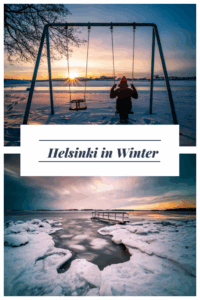
Winter changes how a Helsinki itinerary should be organised. Daylight is brief, icy pavements slow walking, and outdoor stops need to be balanced with warm indoor ones. Our account of visiting Helsinki in winter covers clothing, winter activities, saunas, Suomenlinna and the practical details that matter once temperatures drop.
Porvoo can be added as a day trip from Helsinki, especially outside the darkest part of winter. Its compact old town makes it easy to visit without moving accommodation.
Turku and the southwest
Turku sits on the Aura River in southwestern Finland and is one of the country’s oldest urban centres. Its castle, cathedral and riverside streets make it a useful cultural stop, but food is one of the strongest reasons to include it.
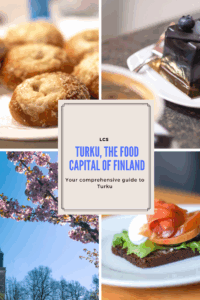
The city has a confident restaurant scene built around local fish, seasonal produce and ingredients from the surrounding archipelago. Riverfront dining is popular in summer, while the market and indoor food spaces remain useful in colder weather. Our food lover’s guide to Turku explains where the city’s culinary reputation comes from and how to organise a visit around it.
One night gives enough time for the historical centre and a good dinner. Two nights create space for markets, museums and a slower exploration of the riverfront. In summer, Turku is also a starting point for the Archipelago Sea, although travelling deep into the islands requires additional time.
Finnish Lakeland
Central and eastern Finland contain thousands of interconnected lakes, forest roads and small towns. This is the part of the country to choose for a cottage stay, lake swimming, canoeing and long summer evenings.
A car becomes much more useful here. Trains connect the larger cities, but cottages, national parks and lake shores are often distant from stations. A Lakeland trip works best when based around one or two areas instead of changing accommodation every night.
Tampere is an accessible introduction, with lakes on both sides of the city and a strong public-sauna culture. Savonlinna and Kuopio lead farther into the lake district. Summer is the easiest season for a first road trip, while winter driving requires preparation for snow, ice and very limited daylight.
Finnish Lapland
Lapland covers a vast area, so choosing a base matters. Rovaniemi has the broadest transport connections and a large activity industry. Levi is convenient for skiing and organised excursions. Saariselkä and Inari place travellers farther north, with less urban light and easier access to open Arctic landscapes. Kilpisjärvi is remote and makes more sense in a dedicated northern itinerary.
Winter trips can include cross-country skiing, snowshoeing, reindeer farms, husky excursions and snowmobile tours. These activities can be expensive, so it helps to decide which ones genuinely matter before booking.
Lapland also has a distinct summer season. The midnight sun replaces the polar night, hiking routes open, and the landscape becomes green and surprisingly active. Mosquitoes are part of the experience around forests and wetlands, particularly during warmer periods.
Planning your trip to Finland
Begin with the season, then decide whether the trip will focus on southern Finland, the lake district or Lapland. Distances become increasingly important once more than one of these areas is involved.
Helsinki and Turku can be connected comfortably by train. Tampere is also straightforward to reach from Helsinki. Travelling to Lapland takes far longer. An overnight train can save a hotel night and avoids losing an entire day to the journey. Domestic flights are faster, though airports in the north may still be some distance from the final resort or accommodation.
Finland is easy to navigate in English, and card payments are accepted almost everywhere. Public transport is dependable in the larger cities. Rural schedules can be limited, particularly on weekends or outside peak season, so check the return journey before setting out.
Winter needs a different packing strategy from a typical European city break. Use a moisture-wicking base layer, an insulating middle layer and a windproof outer layer. Warm waterproof footwear with good grip is essential. Thin fashion gloves quickly become useless when standing outside at night.
On our winter visits to Helsinki, we found that the cold affected the pace of the day as much as the temperature itself. Walking takes longer on icy streets, batteries drain faster, and extended outdoor sightseeing becomes tiring. Plan regular indoor stops and book popular restaurants and saunas in advance.
Finnish sauna etiquette varies. Some traditional public saunas have separate sessions for men and women and may be used without swimwear. Modern mixed facilities usually require a swimsuit. Check the rules before arriving and shower before entering the sauna.
Frozen lakes and sea ice should be treated with care. Never assume the surface is safe because other people are walking on it. Use maintained routes and follow local warnings.
Planning a Northern Lights trip in Finland
Finnish Lapland is one of Europe’s most practical regions for aurora trips, but no location, tour or glass-roofed cabin can guarantee a sighting.
An aurora requires geomagnetic activity, darkness, clear skies and a position away from strong artificial light. Cloud cover can block a powerful display completely, which is why checking the local cloud forecast is often more useful than focusing only on the KP index.
Northern Finland has dark enough skies from autumn into early spring, with September to March forming the main travel period. Helsinki is a poor choice for an aurora-focused trip because it lies farther south and has substantial light pollution.
Spend at least four nights in Lapland if the Northern Lights matter to you. Five nights improve the chances further. A single-night excursion leaves the entire plan dependent on one evening’s weather.
The aurora can appear early in the evening, close to midnight or for only a few minutes. We have seen it on some trips and missed it completely on others, including visits to places with excellent aurora reputations. Build days around activities you would enjoy even if the sky remains quiet.
Glass cabins are comfortable and allow you to watch the sky without immediately going outside, but the glass has no effect on cloud cover or auroral activity. Reflections can also interfere with photographs. In many cases, the clearest view is still outdoors in a dark open area.
Dress for standing still, which feels much colder than walking. Keep spare batteries warm inside a jacket and learn the basic camera settings before going outside. Phone cameras can record colours more strongly than the naked eye, so expectations should account for the intensity of the actual display.
Our detailed guide to where and how to see the Northern Lights explains timing, solar activity, cloud forecasts and the other destinations where we have looked for the aurora.
Best itineraries in Finland
Finland needs separate winter and summer itineraries because the available daylight, transport choices and useful activities change considerably.
Eight-day winter itinerary
| Day | Plan |
|---|---|
| 1 | Arrive in Helsinki and explore the centre |
| 2 | Architecture, museums, cafés and a public sauna |
| 3 | Suomenlinna or another coastal area, depending on conditions |
| 4 | Continue north by overnight train or flight |
| 5 | Settle into a Lapland base and make the first aurora attempt |
| 6 | Choose one major winter activity and keep the evening free |
| 7 | Outdoor day followed by another flexible aurora evening |
| 8 | Final northern activities or return south |
Three nights in Lapland is the minimum for this route, and adding one or two nights would improve it. Keep aurora evenings flexible. A forecast may make the second night more promising than the first, or cloud cover may require travelling away from the resort.
Ten-day summer itinerary
| Day | Plan |
|---|---|
| 1–3 | Helsinki, islands, markets and sauna |
| 4–5 | Turku and the Aura River |
| 6 | Collect a rental car and continue toward Lakeland |
| 7–9 | Cottage stay, lake activities and one national park |
| 10 | Return to Helsinki |
This route balances city time with the landscape that defines much of Finland. A cottage stay is worth at least three nights. One-night stops leave little time for swimming, sauna, cooking and simply adjusting to the quiet pace of the lake district.
Travellers with two weeks can add the Turku archipelago or continue farther east. Adding Lapland to this summer route is possible, though it involves another long journey and changes the rhythm of the trip.
When to visit Finland
There is no single best month for every Finland itinerary.
| Period | Conditions | Best for |
|---|---|---|
| December to March | Snow, cold temperatures and short days | Lapland, winter activities, saunas and aurora trips |
| April to May | Thawing conditions and rapidly increasing daylight | Quieter cities and late snow in the north |
| June to August | Long days, mild weather and busy holiday areas | Lakes, cottages, islands, hiking and road trips |
| September to October | Autumn colour, darker nights and variable weather | Hiking, photography and early aurora travel |
| November | Dark, often wet in the south, with uncertain snow | Lower prices and indoor city breaks |
February and March are strong months for a first winter trip. Lapland usually has established snow cover, while the increasing daylight makes daytime activities easier. Northern Lights remain possible after dark.
June and July are the natural choices for Lakeland and the archipelago. Many Finns take summer holidays during July, so popular cottage areas and island accommodation should be reserved early.
September is useful for travellers who want autumn colour and dark nights without the deepest winter temperatures. Weather can change quickly, particularly in the north.
How many days in Finland
Allow three full days for Helsinki, especially in winter when moving around takes longer. Add one or two days for Turku.
Seven days work well for Helsinki plus Turku, Tampere or a short Lakeland stay. Eight to ten days are better for Helsinki and Lapland because the journey north consumes time.
A broad Finland trip needs around two weeks. That allows a few days in Helsinki, two nights in Turku, a meaningful stay in Lakeland and time in another region without constant packing.
For Northern Lights trips, count nights rather than days. Four or five nights in one northern base provide a more sensible weather window than moving between resorts every evening.
Budget for Finland
Finland is an expensive destination, with accommodation, restaurants, alcohol and organised winter activities forming the largest costs.
A rough daily budget per person, excluding international flights, is:
| Travel style | Daily estimate | What it covers |
|---|---|---|
| Budget | €90–140 | Hostel or shared room, supermarket food, public transport and free activities |
| Mid-range | €160–260 | Comfortable hotel, restaurant meal, local transport and occasional paid attractions |
| Comfortable | €300+ | Higher-end accommodation, frequent dining out and private or organised activities |
Lapland in December and during school holidays can cost considerably more. Glass cabins, husky safaris, snowmobile excursions and private aurora tours quickly increase the total. Booking several major activities for every day is rarely necessary.
Helsinki’s market halls, lunch menus and soup cafés help control food costs. Trains booked ahead are usually easier on the budget than last-minute travel. A rental car is most valuable when shared and used in regions where public transport cannot reach the intended accommodation.
Watching the Northern Lights is free. A paid tour covers transport, warm clothing in some cases and help interpreting conditions, but payment does not purchase a sighting.
Finnish Food
Finnish food makes the most sense when viewed through season and geography. Fish, rye, potatoes, berries, mushrooms and dairy products appear repeatedly, while Lapland adds reindeer, Arctic fish and cloudberries.
Start with karjalanpiirakka, small Karelian pies with a rye crust and rice filling, usually eaten with egg butter. Ruisleipä, the dense Finnish rye bread, appears at breakfast and alongside soups. Lohikeitto is a creamy salmon soup with potatoes and dill, and it is one of the most dependable cold-weather lunches.
Along the coast, look for Baltic herring, vendace, salmon and fish roe. Muikku are small vendace commonly fried and eaten whole. In Lapland, poronkäristys consists of thinly sliced sautéed reindeer, often served with mashed potatoes and lingonberries.
Leipäjuusto is a baked cheese commonly paired with cloudberry jam. Salmiakki, salty liquorice, divides visitors immediately. Finnish coffee is generally light-roasted filter coffee, and it is consumed throughout the day with pastries such as korvapuusti, the local cinnamon bun.
Seasonal foods are worth watching for. Runeberg tarts appear around late January and early February. Spring brings sima and tippaleipä around May Day. Summer is the time for new potatoes, berries and fresh fish. Autumn menus lean into mushrooms, game and lingonberries, while December brings Christmas ham, casseroles, gingerbread and glögi.
Our guide to traditional Finnish food gives a fuller list of dishes and explains when they are usually eaten.
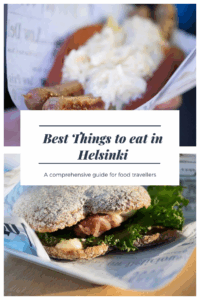
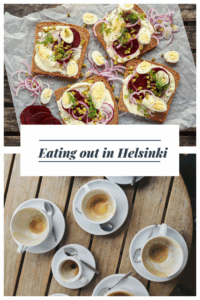
Helsinki has the country’s broadest choice of restaurants, but markets and cafés are just as useful for understanding everyday food. Hakaniemi Market Hall is a good place to look for fish, bread, pastries and an affordable lunch. Our Helsinki food guide covers restaurants, cafés and market halls across different budgets.
Turku deserves its own food stop, particularly if the route already continues west. Its riverside restaurants and access to produce from the southwest give it a distinct identity within Finland. One well-planned market lunch, one seasonal dinner and enough time for coffee and pastries will tell you far more about Finnish eating habits than chasing a long checklist of famous dishes.