

It’s almost time for Chinese New Year, the biggest celebration in the Chinese calendar. Food is at the heart of this holiday, not just for taste but for the meaning behind every dish. That’s why we’ve put together a guide to the lucky foods traditionally eaten during the festival, and what they symbolize.
Alongside the dishes, you’ll also find insights into the customs, traditions, and rituals that mark the transition from the old year to the new one. We’ve gathered information from Chinese sources, conversations, and our own research to make this guide as clear and complete as possible.
Whether Chinese New Year is completely new to you or you already know the basics, this guide will give you fresh details and practical knowledge to enjoy the celebration even more.
Lucky foods to eat for Chinese New Year and their meanings
The table highlights the most important Chinese New Year foods and what each one symbolizes, before explaining everything about Chinese New Year.
| Food | Symbolic meaning | Traditions and rules |
|---|---|---|
| Dumplings | Wealth and prosperity | Eat many for good fortune; avoid sauerkraut fillings; arrange in lines, not circles; some hide a white thread for longevity; eaten with the phrase “Zhāo cái jìn bǎo” |
| Spring rolls | Wealth and gold | Eaten during the Spring Festival; often associated with the phrase “a ton of gold” |
| Nian Gao (rice cake) | Progress and growth | Represents rising higher year after year; eaten to wish for improvement in life |
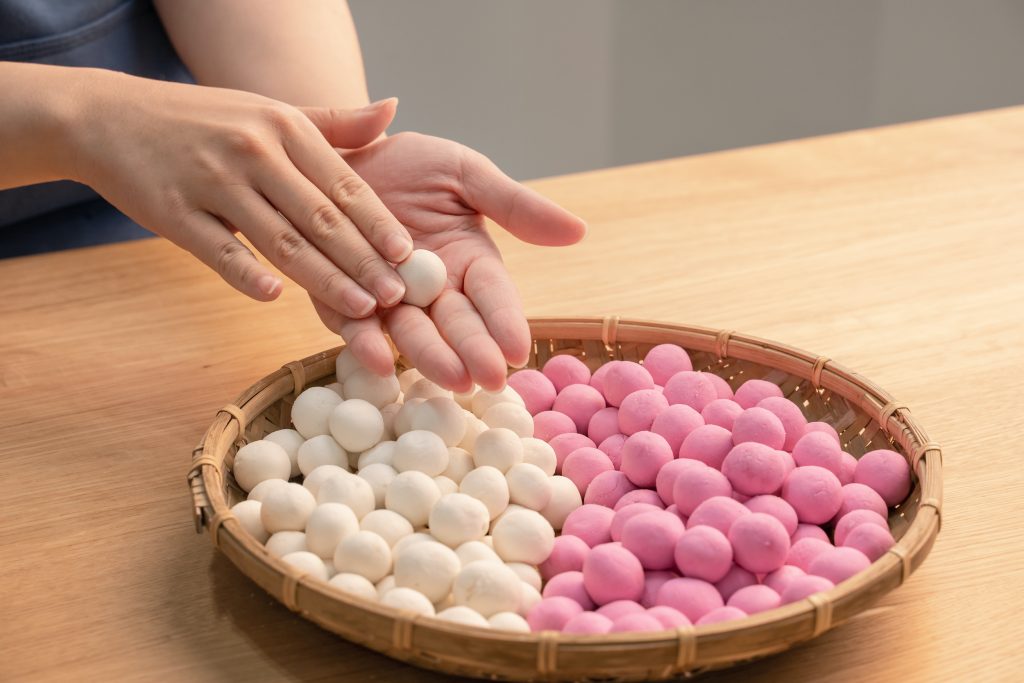
| Sweet rice balls | Reunion and togetherness | Round shape symbolizes family unity and harmony |
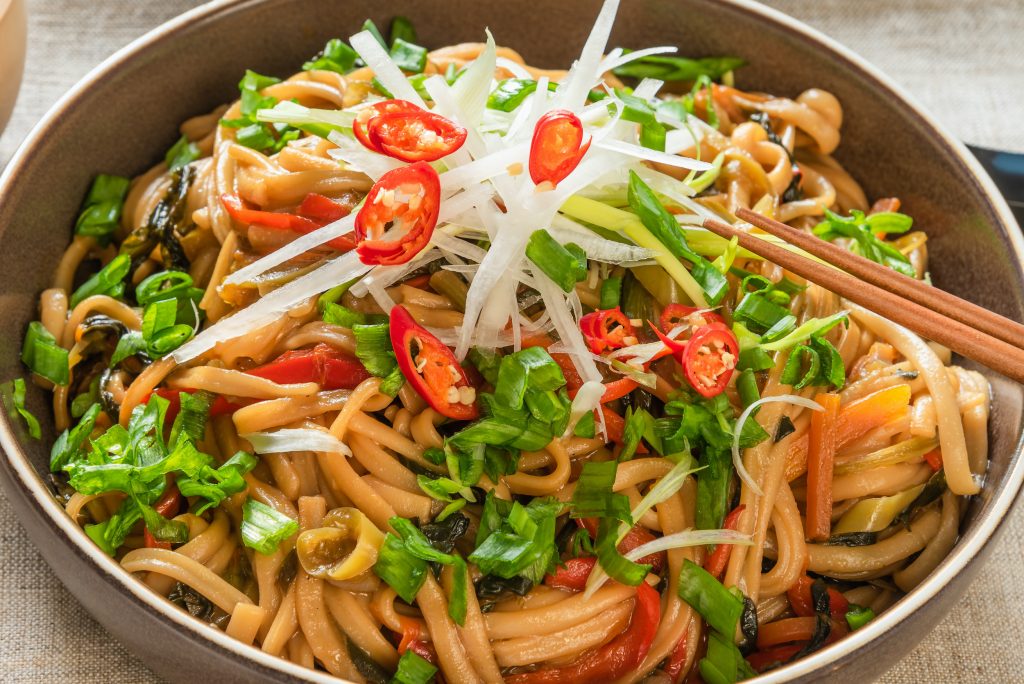
| Longevity noodles | Long life | Served uncut; longer noodles represent longer life |
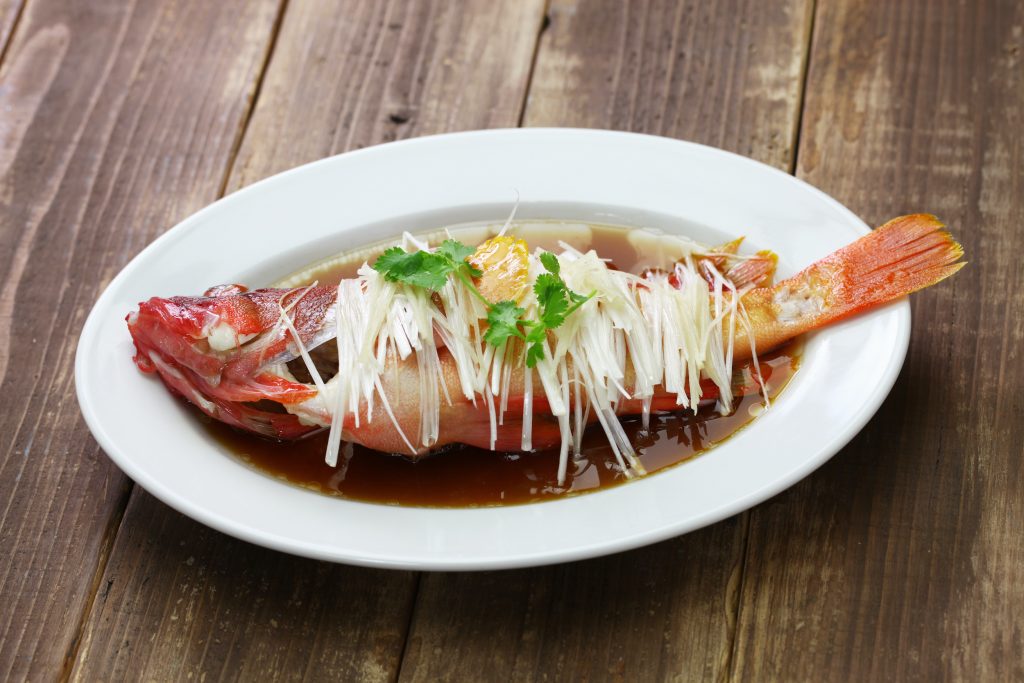
| Fish | Abundance and surplus | Steamed whole; leftovers are intentional; head faces elders; eaten last with the phrase “May you always have more than you need” |
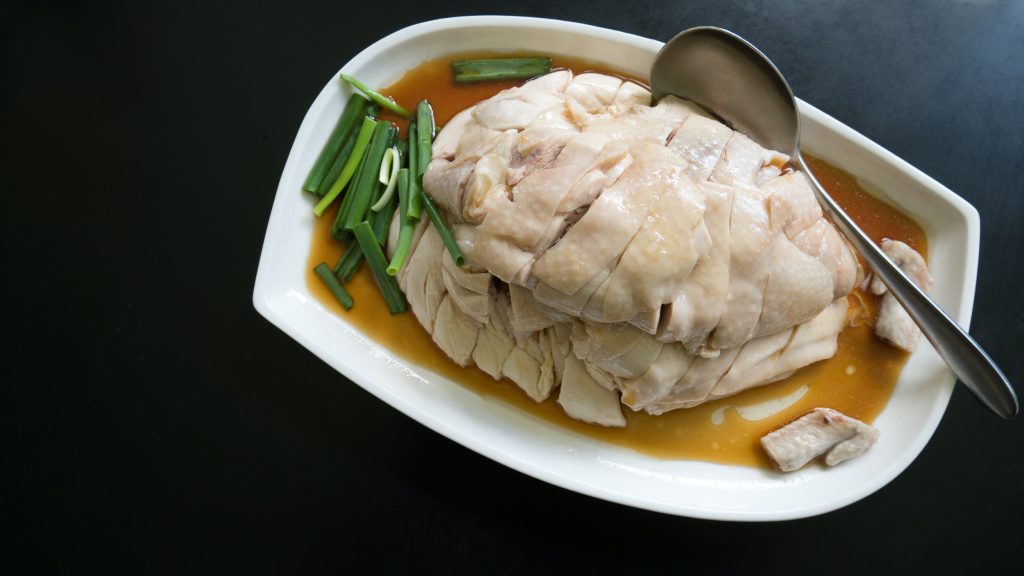
| Steamed whole chicken | Family unity and protection | Offered to ancestors first to ask for blessings |
| Bamboo shoots | Longevity | Served as part of vegetable dishes |
| Poria mushrooms | Blessings and fortune | Included in celebratory meals |
| Grapefruit and muskmelon | Family and unity | Eaten to symbolize family togetherness |
| Seaweed | Wealth and prosperity | Associated with financial fortune |
| Fa Gao | Success and prosperity | Steamed rice cake eaten as a wish for success |
What is Chinese New Year?
Chinese New Year—also called the Lunar New Year or Spring Festival—is the most important holiday in China. The celebrations last up to two weeks, and it’s the only time of the year when much of the country comes to a standstill.
Unlike Western New Year, which always falls on January 1, the date of Chinese New Year changes each year. It usually falls between January 21 and February 20, based on the Chinese lunar calendar.
When is Chinese New Year 2026?
In 2026, Chinese New Year will fall on February 16th, marking the beginning of the Year of the Horse according to the Chinese zodiac.
Chinese New Year celebrations span 16 days, from New Year’s Eve to the Lantern Festival. Here are the key dates to mark in 2026:
- Chinese New Year’s Eve on February 16th, 2026
- Chinese New Year’s Day on February 17th, 2026
- The Lantern Festival on March 3rd, 2026
Each of the 16 days has a unique name and significance, reflecting specific traditions and cultural meanings. Below is a table outlining the essential dates and their respective purposes:
| Date (2026) | Lunar Date | Title | Summary |
|---|---|---|---|
| Feb. 16th | 12th month, 30th day | 除夕 (Chúxì) – New Year’s Eve | Family reunion dinner, staying up till midnight |
| Feb. 17th | 1st month, 1st day | 初一 (Chūyī) – New Year’s Day | Visiting family, gift-giving, ancestral grave visits |
| Feb. 18th | 1st month, 2nd day | 初二 (Chū’èr) – In-Law’s Day | Married women visit their parents with family |
| Feb. 19th | 1st month, 3rd day | 初三 (Chūsān) – Day of the Rat | Resting at home, family games, avoiding outings |
| Feb. 20th | 1st month, 4th day | 初四 (Chūsì) – Day of the Sheep | Prayer, offerings, and temple visits |
| Feb. 21st | 1st month, 5th day | 初五 (Chūwǔ) – Break Five | Lifting taboos, resuming normal activities |
| Feb. 22nd | 1st month, 6th day | 初六 (Chūliù) – Day of the Horse | Disposal of old items, returning to work |
| Feb. 23rd | 1st month, 7th day | 初七 (Chūqī) – Day of Mankind | Celebrating human creation, spending time in nature |
| Feb. 24th | 1st month, 8th day | 初八 (Chūbā) – Day of the Grain | Predicting crop quality, enjoying small family meals |
| Feb, 25th | 1st month, 9th day | 初九 (Chūjiǔ) – Providence Health | Jade Emperor’s birthday, offerings, incense rituals |
| Feb. 26th | 1st month, 10th day | 初十 (Chūshí) – Stone Festival | Honoring the ‘god stone,’ similar to the previous day |
| Feb. 27th | 1st month, 11th day | 初十一 (Chūshíyī) – Son-in-Law Day | Fathers entertain their sons-in-law |
| Feb. 28th – Mar.2nd | 1st month, 12th – 14th days | 初十二 – 初十四 (Chūshí’èr – Chūshísì) – Lantern Preparations | Cooking, making lanterns for the festival |
| Mar. 3rd | 1st month, 15th day | 初十五 (Chūshíwǔ) – Lantern Festival | Celebrating with lanterns, dragon dances, riddles |
Chinese New Year Dates and Signs (2026-2034)
The table below shows the dates of Chinese New Year from 2025 to 2034, together with the official holiday periods and the zodiac animals linked to each year. It’s a quick reference that highlights how the festival shifts on the calendar and which animal will be celebrated each time.
| Year | Date | Holiday Period | Animal Sign |
|---|---|---|---|
| 2026 | Feb. 17 (Tue) | Feb. 16-22 | Horse |
| 2027 | Feb. 6 (Sat) | Feb. 5-11 | Goat |
| 2028 | Jan. 26 (Wed) | Jan. 25-31 | Monkey |
| 2029 | Feb. 13 (Tue) | Feb. 12-18 | Rooster |
| 2030 | Feb. 3 (Sun) | Feb. 2-8 | Dog |
| 2031 | Jan. 23 (Thu) | Jan. 22-28 | Pig |
| 2032 | Feb. 11 (Wed) | Feb. 10-16 | Rat |
| 2033 | Jan. 31 (Mon) | Jan. 30-Feb 5 | Ox |
| 2034 | Feb. 19 (Sun) | Feb. 18-24 | Tiger |
How to Celebrate Chinese New Year?
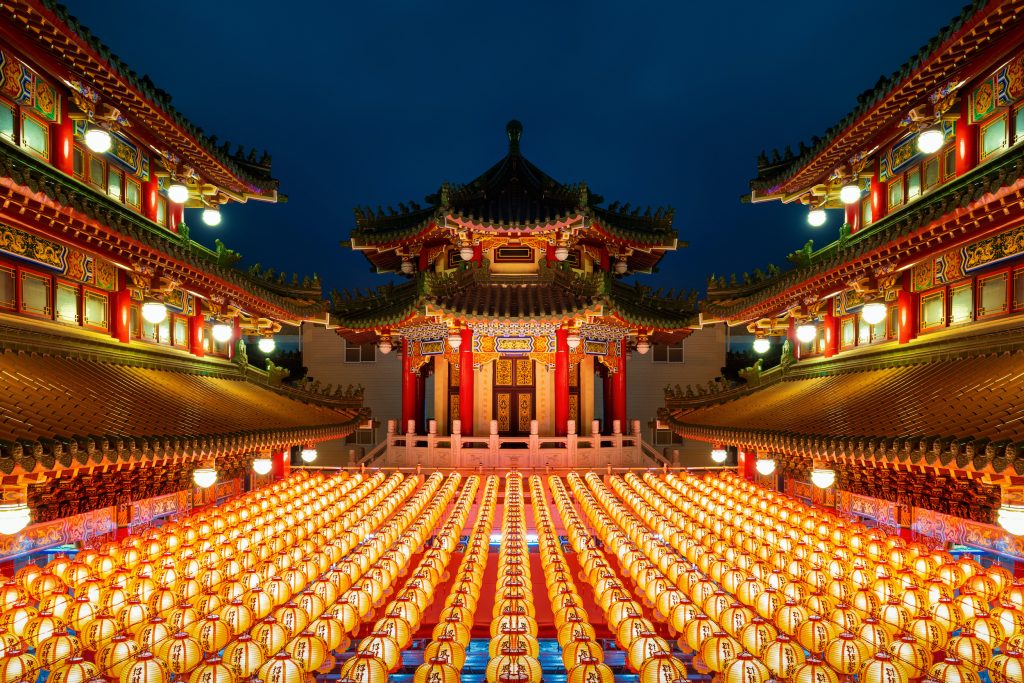
For many in the West, the most recognizable images of Chinese New Year are the glowing red lanterns and bright city lights. In China, though, the celebration is rooted in traditions and rituals that mark the arrival of the Lunar New Year. Here are some of the most important customs:
1. House Cleaning and Decorating
About two weeks before the New Year, families give their homes a thorough cleaning to sweep away bad luck and make space for good fortune. Once the cleaning is done, houses are decorated with red lanterns, couplets, and other red ornaments, since red is believed to bring luck and protection.
2. Family dinner on New Year’s Eve
New Year’s Eve is all about reunion. Families gather, often traveling long distances, to share an abundant meal that usually includes fish, meat, and seasonal vegetables. It’s one of the most important meals of the year.
3. Red Envelopes
Elders give children red envelopes filled with money—known as hongbao—as a way to bless them with luck and keep away evil spirits. A few years ago, we were in Vietnam during Chinese New Year and as a blessing we also got a red envelope with some money, an experience we won’t forget!
4. Firecrackers
At midnight, the skies light up with fireworks. According to legend, the noise and fire are meant to scare away Nian, a mythical monster that appears on New Year’s Eve.
5. Visiting Relatives
The first day of the New Year is usually spent at home, while the following days are dedicated to visiting relatives and friends. Gifts are exchanged, and children receive more red envelopes.
6. Folk Shows and Temple Fairs
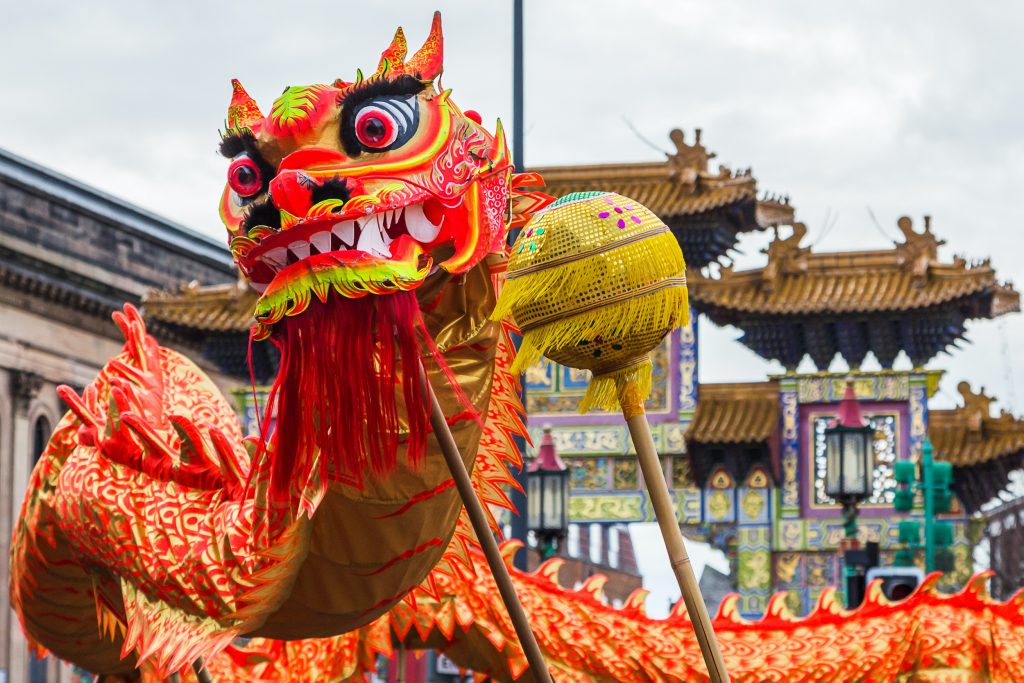
Until the 15th day of the first lunar month, many cities host parades, lion and dragon dances, temple fairs, and other folk performances. It’s also common for families to visit temples to pray for health and prosperity.
Of course, not every family follows every tradition, and customs vary by region. But one thing is always present at Chinese New Year: food. Dishes are rich with symbolism, and what you eat is considered just as important as how you celebrate. That’s why we’ve put together a list of the most important and lucky Chinese New Year foods.

Top Lucky Foods to Eat for the Chinese New Year
Every food in China represents something, and symbolism is associated with every traditional dish eaten for the Lunar Year. These are the most important Chinese New Year Foods and their meanings:
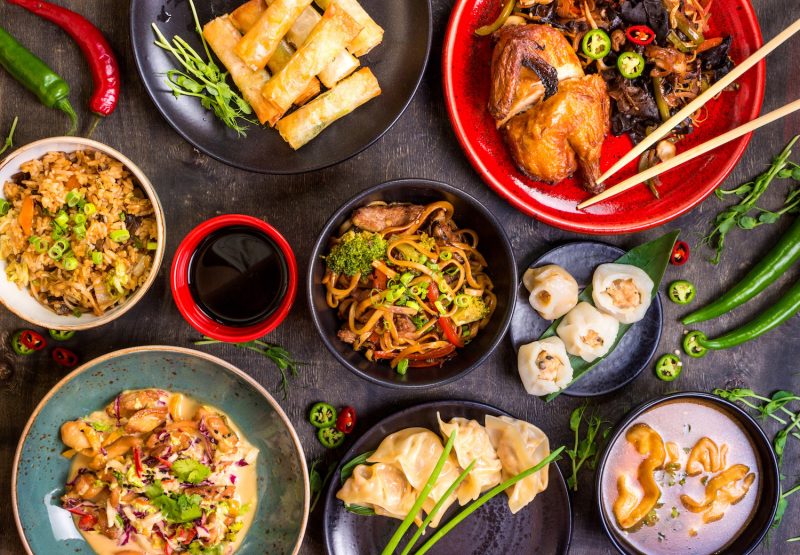
1. Dumplings
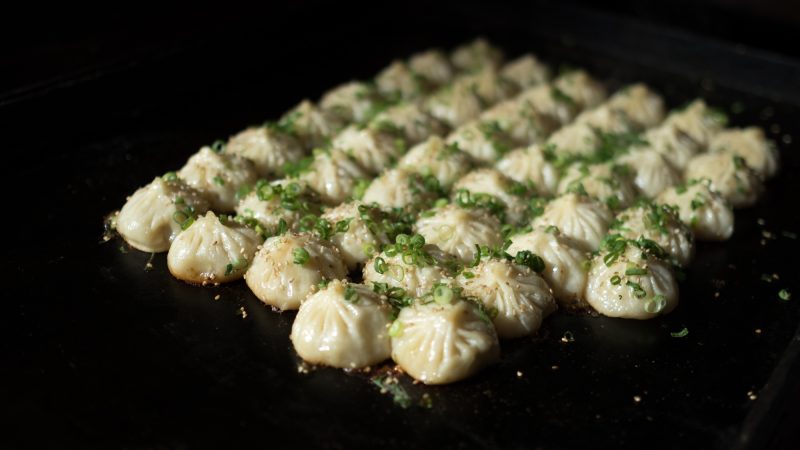
Dumplings, a staple of Chinese cuisine, are associated with wealthiness: according to tradition, the more dumplings you eat during the New Year celebrations, the more money you can make in the New Year. It’s all more complex than this: different dumplings have different meanings.
Dumplings with sauerkraut are forbidden because they mean a poor and difficult future; it’s common to eat dumplings with cabbage and radish as a symbol of prosperity for the body and the mind.
In some China areas, people put a white thread inside a dumpling: the person who eats that dumpling is supposed to possess longevity.
It’s completely forbidden to arrange dumplings in circles: dumplings have to be arranged in lines to symbolize life going somewhere.
Before eating a dumpling, all the people at the dinner table have to say the following phrase: “Zhāo cái jìn bǎo,“ which means “Bringing in wealth and treasure.”
2. Spring Rolls
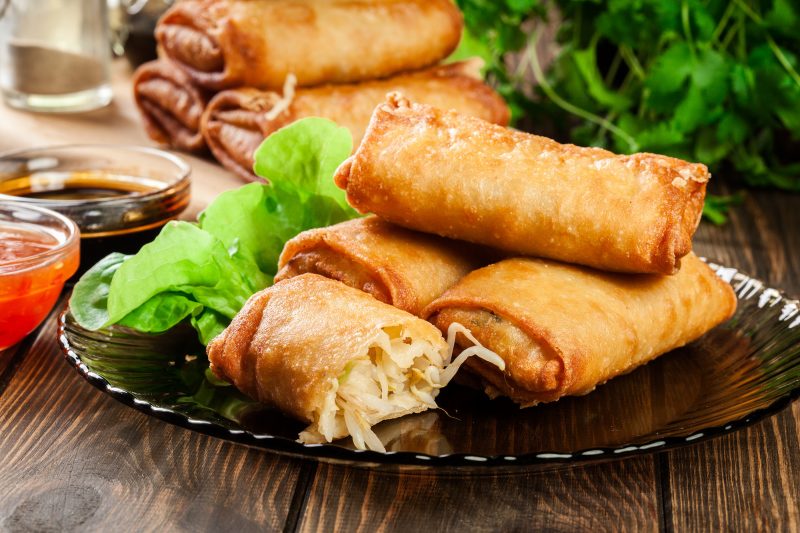
Spring Rolls refers specifically to eating this dish during the Lunar Year (also called the Spring Festival). There are no specific rules to follow regarding spring rolls, but it’s common to say the phrase “A ton of gold,“ referring to this dish as a carrier of prosperity.
3. Niangao
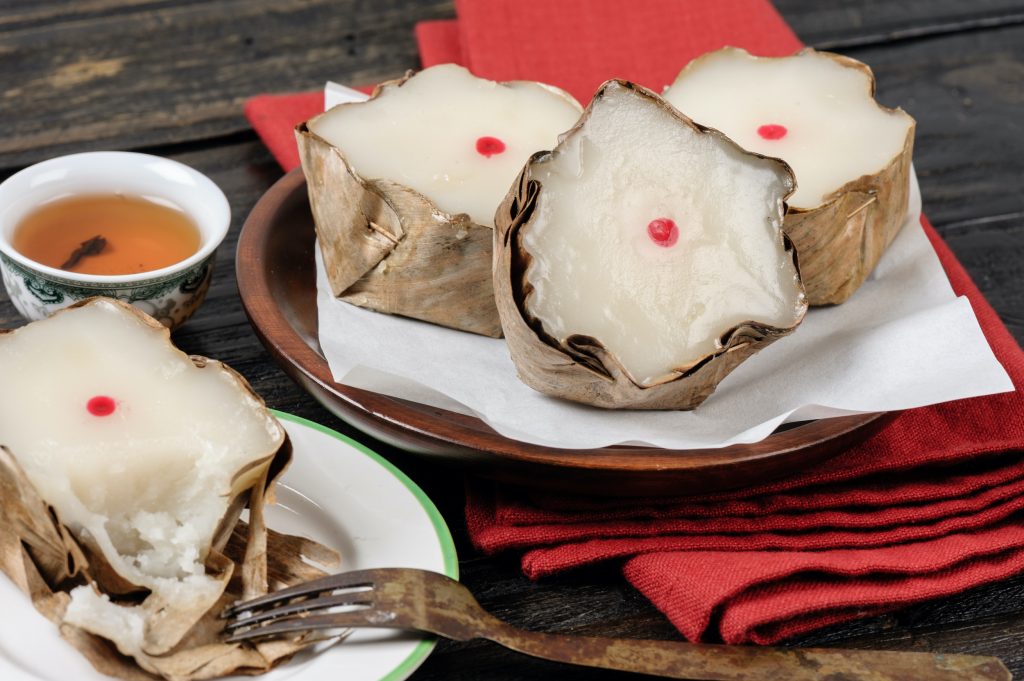
Nian Gao is a traditional glutinous rice cake made of sticky rice, sugar, chestnuts, dates, and lotus leaves. Eating Nian Gao is accompanied by the phrase “Getting higher year after year by year,” meaning a general improvement in life.
4. Sweet Rice Balls
The rice balls are a staple of Chinese celebrations: their rounded shape is associated with reunion and being together.
5. Noodles
The so-called Longevity Noodles symbolize longevity: they are longer than normal noodles and uncut. The longer, the better.
6. Fish
Fish is a traditional Chinese New Year dish, and it’s usually steamed. Different types of fish can be served based on the family’s wishes:
- Crucian carp: eating crucian carp brings good luck for the next year;
- Chinese mud carp: eating Chinese mud carp brings good fortune;
- Catfish: eating catfish is a wish for a surplus in the year.
The fish should be the last dish left on the dinner table with some leftovers: the fish is considered a good omen to having more money in the upcoming year. For this reason, the fish has to be carefully positioned on the dinner table:
- The head should be placed toward distinguished guests or elders;
- Diners can enjoy the fish only after the one who faces the fish head eats first;
- The fish shouldn’t be moved.
Eating the fish is accompanied by the popular saying, “May you always have more than you need!”.
7. Steamed Chicken
A whole chicken is another symbol of the family; that’s why, once cooked, Chinese people first offer the chicken to the ancestors asking for blessings and protection.
8. Fruit and Vegetables
Vegetables play an important role in a Chinese dinner table, each symbolizing something specific.
- Bamboo shoots: represent longevity;
- Poria mushrooms: represent blessings and fortune;
- Muskmelon and grapefruit: represent family;
- Seaweed: represents wealth and fortune.
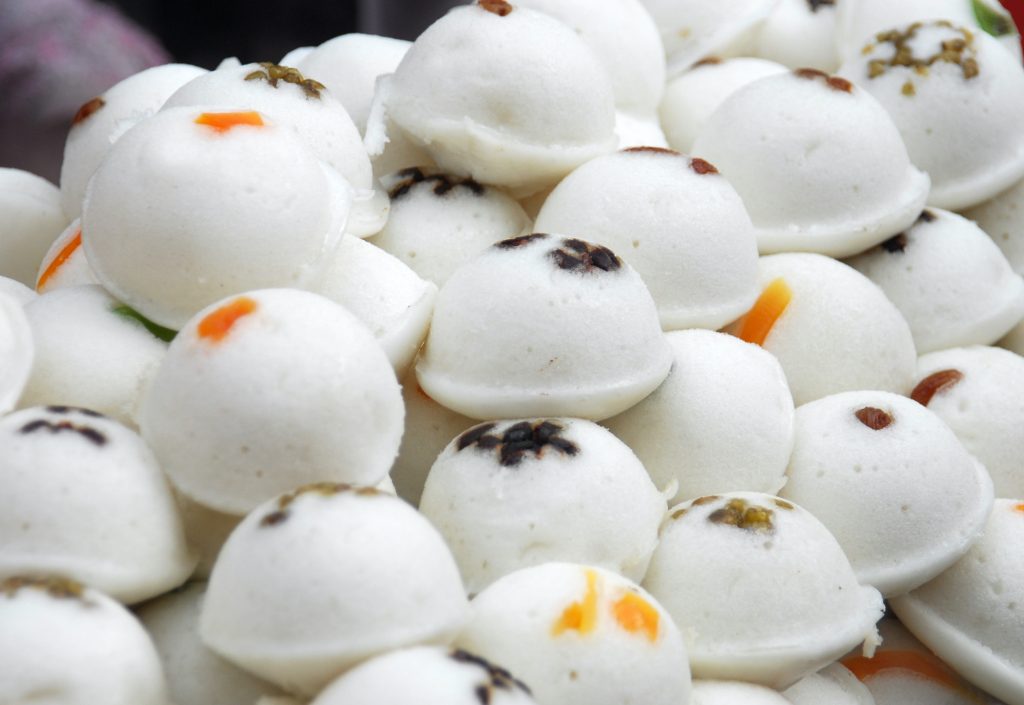
9. Fa Gao
Fa Gao is a typical Chinese dessert made with soaked rice ground into a paste and steamed. Exactly like Nin Gao, it is a wish for success.
Chinese New Year Dining Etiquette: Do’s and Don’ts
Sharing a meal is at the heart of Chinese New Year, but the table also comes with its own rules. If you’re invited to a traditional dinner, these simple guidelines will help you avoid mistakes and show respect:
- Never stick chopsticks upright in rice. It resembles funeral offerings and is considered very unlucky.
- Don’t tap your bowl with chopsticks. It’s seen as rude to the host.
- Eat politely. Keep your mouth closed while chewing, and avoid slurping—unlike in Japan, in China slurping is not acceptable.
- Wait for your host to start. It’s polite to let the host take the first bite, and always serve others before serving yourself.
- Don’t pass food chopstick to chopstick. Handing food directly this way resembles a funeral ritual and is avoided at the table.
Learning these customs means showing appreciation for the traditions that make Chinese New Year so meaningful.
What Brings Bad Luck During Chinese New Year?
Like many traditional holidays, Chinese New Year comes with its own set of taboos. These customs are meant to protect families from misfortune and ensure a good start to the year. Some of the most common ones include:
- No showering on New Year’s Day. Washing is believed to wash away good luck.
- No sweeping or taking out garbage until the 5th day. Doing so is thought to sweep away fortune.
- No haircuts during the first week. Cutting hair is linked to cutting away prosperity.
- No arguments or swearing. Words carry power, and negativity is avoided.
- No breaking objects. Shattered dishes or glasses symbolize broken luck.
- No negative words. Even saying “death” or “illness” is avoided.
- No sharp objects like scissors or knives. They can “cut” the flow of wealth and success.
- No taking medicine if it can be avoided. It’s said to set the tone for poor health all year.
These traditions may sound strict, but they all share the same purpose: keeping bad luck away and welcoming the New Year with a clean, positive start.
How to say Happy New Year in Chinese?
To impress your Chinese friends, you must know how to say Happy New Year in Chinese! We don’t know a word in Chinese, but we’ve learned the simplest way of saying it:
xīn nián kuài lè
, which means exactly Happy New Year. This is the Chinese written form: 新年快乐.